AI Powered Employee Monitoring App Exploring Its Capabilities and Implications
AI powered employee monitoring app represents a significant evolution in workplace management, utilizing artificial intelligence to analyze employee behavior and productivity. This technology promises to transform how businesses oversee their operations, offering enhanced insights and efficiency gains. However, this advancement raises complex questions regarding privacy, ethics, and legal compliance, necessitating a thorough examination of its functionalities, benefits, and potential drawbacks.
This exploration will delve into the core mechanisms of AI-driven monitoring, examining its data collection processes, the advantages it offers over traditional methods, and the ethical and legal frameworks governing its use. Furthermore, it will analyze the challenges associated with implementation, the role of AI in cybersecurity within these systems, and the future trends shaping this evolving landscape. The aim is to provide a comprehensive understanding of AI-powered employee monitoring, fostering informed discussions about its responsible and effective deployment.
Understanding the Fundamental Operations of an AI-Powered Employee Monitoring Application

An AI-powered employee monitoring application functions by systematically collecting, analyzing, and interpreting data related to employee activities. The core purpose is to enhance productivity, ensure compliance, and mitigate security risks. These applications leverage machine learning algorithms to identify patterns, anomalies, and potential threats within the collected data, providing insights for informed decision-making.
Core Functions of AI-Powered Employee Monitoring
The fundamental operations of an AI-powered employee monitoring application encompass several key functions. These functions work in concert to provide a comprehensive view of employee activity.
- Data Collection: This is the initial stage, involving the gathering of data from various sources. This includes keyboard strokes, website visits, application usage, email communications, and even network activity.
- Data Processing: Raw data is then processed, cleaned, and formatted for analysis. This step may involve removing irrelevant information and standardizing data formats.
- Analysis and Pattern Recognition: AI algorithms, particularly machine learning models, are employed to analyze the processed data. The algorithms identify patterns, trends, and anomalies in employee behavior. This may include detecting unusual website visits, excessive idle time, or unauthorized application usage.
- Anomaly Detection: The system constantly monitors for deviations from established norms. Machine learning models are trained on historical data to understand typical employee behavior. Any significant deviation from this norm is flagged as a potential anomaly.
- Report Generation and Alerting: Based on the analysis, the system generates reports and alerts. These reports provide insights into employee productivity, potential security risks, and compliance violations. Alerts notify relevant personnel of any critical anomalies or potential threats.
- User Interface and Visualization: A user-friendly interface allows administrators to view reports, monitor employee activity in real-time, and configure the system. Data visualization tools are often used to present complex data in an easily understandable format.
Data Gathering Process in AI-Powered Monitoring
AI-powered employee monitoring applications gather information from various sources to build a comprehensive profile of employee activities. The process is designed to collect a wide range of data points while minimizing disruption to workflow.
- Keyboard and Mouse Activity Monitoring: This involves tracking keystrokes, mouse clicks, and cursor movements. The data is used to calculate active time, identify idle periods, and potentially detect the use of unauthorized applications or s.
- Website Visit Tracking: The application monitors the websites visited by employees, including the time spent on each site. This data helps to identify time-wasting activities and potential security risks, such as visiting malicious websites.
- Application Usage Monitoring: This tracks the applications used by employees, the duration of use, and the specific tasks performed within each application. It helps to understand how employees spend their time and identify potential misuse of company resources.
- Email and Communication Monitoring: Some applications monitor email communications, including subject lines, recipients, and content. This can help to detect sensitive data leaks or inappropriate communications. However, this feature often raises privacy concerns and must be implemented with care.
- File Access Monitoring: Tracking which files employees access, modify, or share. This can help identify potential data breaches or unauthorized access to sensitive information.
- Network Activity Monitoring: Monitoring network traffic, including data transfer rates and the websites accessed. This helps to identify unusual network behavior that might indicate a security threat.
Example: Identifying a Potential Security Breach
Consider a scenario where an AI-powered monitoring tool is used to identify a potential security breach. The system analyzes employee behavior and flags unusual activities.
| Stage | Description | AI-Driven Action |
|---|---|---|
| Initial Anomaly Detection | An employee, usually working in the finance department, starts accessing files and websites outside of their typical work hours and with an unusual pattern of data transfer. | The system detects an unusual pattern of file access and website visits, and flags it as an anomaly based on the employee’s historical behavior. The system may also compare this behavior with the typical patterns of other employees. |
| Behavioral Analysis | The system continues to monitor the employee’s activity and correlates it with other data points, such as network traffic and email communication. The system detects a significant increase in data transfer volume during off-hours, particularly involving sensitive financial documents. | The AI algorithms analyze the correlation between the unusual file access, website visits, and the increased data transfer volume. Machine learning models are used to assess the risk level based on the combination of these factors, possibly triggering an alert if the risk score exceeds a predefined threshold. |
| Alert and Investigation | The system generates an alert, notifying the security team of a potential data breach. The security team investigates the situation, reviewing the employee’s activity logs and other relevant data. | The system automatically generates a detailed report outlining the detected anomalies, the associated risk factors, and the relevant data points. This report facilitates the security team’s investigation and allows them to quickly assess the severity of the situation and take appropriate action. |
Exploring the Benefits of Implementing AI in Employee Monitoring Systems
The integration of Artificial Intelligence (AI) into employee monitoring systems offers significant advantages over traditional methods. These advancements enhance the efficiency, accuracy, and depth of insights derived from monitoring activities. This leads to improved workforce management and better protection of organizational assets. The shift towards AI-powered solutions represents a paradigm change, providing a more comprehensive and proactive approach to understanding and optimizing employee performance and security.
Advantages of AI in Employee Monitoring
AI-powered employee monitoring systems significantly improve several aspects of monitoring, offering benefits beyond the capabilities of human oversight. These advantages include enhanced accuracy, faster data processing, and the ability to identify subtle patterns that might be missed by manual review.AI algorithms can analyze vast datasets of employee activity with unparalleled speed and precision. This enables the rapid identification of anomalies, such as unusual login times, unauthorized file access, or unexpected communication patterns.
Machine learning models, trained on historical data, can continuously refine their ability to distinguish between normal and potentially problematic behavior. This leads to a reduction in false positives and a more focused approach to investigating genuine concerns. Furthermore, AI can provide a more objective assessment of employee performance by quantifying metrics like productivity, efficiency, and adherence to company policies. AI-driven systems also facilitate proactive interventions, allowing managers to address potential issues before they escalate, thereby fostering a more supportive and productive work environment.
For example, systems can alert managers when an employee appears to be struggling with a task or experiencing burnout, prompting early intervention and support. This proactive approach improves employee well-being and mitigates the risk of costly errors or security breaches.
Automation of Tasks and Reduction of Managerial Workload
AI-driven employee monitoring streamlines operations, thereby reducing the workload of human managers. This is achieved through the automation of data analysis, anomaly detection, and reporting tasks.AI automates several time-consuming tasks previously performed manually. Data analysis, for example, is often a complex and resource-intensive process. AI algorithms can quickly process large volumes of data from various sources, such as email communications, website browsing history, and application usage, to identify trends and patterns.
Anomaly detection, which involves identifying unusual or suspicious activities, is another area where AI excels. By automatically flagging potential issues, AI reduces the need for managers to manually review large datasets, freeing up their time for more strategic tasks. Reporting is also streamlined, with AI systems generating automated reports that summarize key performance indicators and highlight areas of concern. This automation allows managers to focus on strategic decision-making, employee development, and fostering a positive work environment, rather than being bogged down by administrative tasks.
This shift towards automation enhances the efficiency of managerial roles and improves the overall productivity of the workforce.
Visual Representation of Key Benefits
A central image depicting a circular flow chart. The center of the chart displays a stylized AI brain icon, radiating outwards. Around the central icon, four distinct segments illustrate the key benefits:
- Improved Accuracy: A segment showing a target with arrows hitting the bullseye, representing precise data analysis and reduced false positives.
- Faster Insights: A segment showing a speedometer, signifying rapid data processing and quick identification of anomalies.
- Subtle Pattern Detection: A segment showing a magnifying glass over a complex network of connections, indicating the ability to identify hidden trends and behaviors.
- Reduced Managerial Workload: A segment showing a manager relaxed at a desk, with automated reports and alerts displayed on a screen.
“AI-powered monitoring systems can reduce the time spent on manual data analysis by up to 70%, allowing managers to focus on strategic initiatives.”
Source
Gartner Research
Addressing the Ethical Concerns Surrounding AI-Driven Employee Surveillance: Ai Powered Employee Monitoring App
The integration of Artificial Intelligence (AI) into employee monitoring systems presents a complex web of ethical considerations. While AI promises increased efficiency and productivity, its deployment necessitates careful examination of its potential impacts on employee rights, workplace culture, and societal values. Failure to address these ethical dimensions can lead to erosion of trust, legal challenges, and ultimately, the failure of the system itself.
This section delves into the ethical implications, potential for misuse, and mitigation strategies associated with AI-driven employee surveillance.
Ethical Implications of AI-Driven Employee Monitoring
The use of AI to monitor employees raises several critical ethical concerns that organizations must address proactively. These concerns span privacy, trust, and the potential for algorithmic bias.* Privacy Concerns: AI-powered monitoring systems often collect vast amounts of data, including keystrokes, emails, web browsing history, location data, and even facial expressions. This extensive data collection raises significant privacy concerns.
Employees may feel that their every action is being scrutinized, leading to a chilling effect on their freedom of expression and potentially inhibiting creativity and innovation. The potential for unauthorized access, data breaches, and misuse of this sensitive information further exacerbates privacy risks.
Erosion of Trust
The implementation of AI monitoring can erode trust between employers and employees. When employees feel they are constantly being watched, they may become suspicious of their employer’s motives and feel undervalued. This lack of trust can lead to decreased morale, reduced job satisfaction, and increased employee turnover. Establishing clear communication and transparency about the purpose, scope, and use of the monitoring system is crucial to mitigate this risk.
Potential for Bias
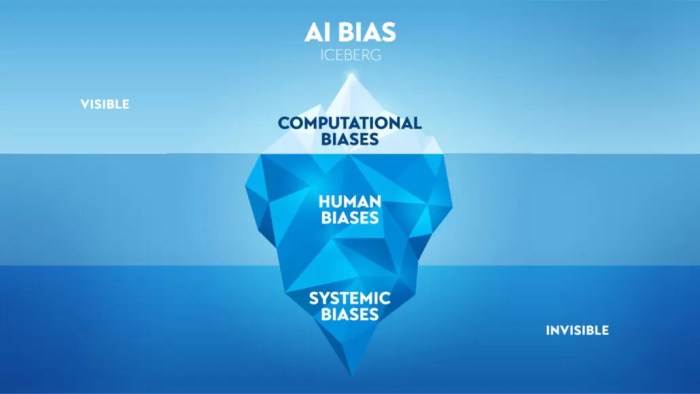
AI algorithms are trained on data, and if that data reflects existing biases, the AI system will perpetuate and potentially amplify those biases. For example, if an AI system is trained on data that shows a particular demographic group is less productive, the system might unfairly penalize employees from that group. This can lead to discriminatory outcomes in performance evaluations, promotions, and even termination decisions.
Ensuring fairness requires careful selection of training data, regular audits of the algorithms, and human oversight to identify and correct any biases.
Potential for Misuse of Collected Data and Mitigation Strategies
The data collected by AI-driven employee monitoring systems can be misused in several ways, necessitating robust mitigation strategies. Data misuse can range from simple privacy violations to malicious actions.* Unwarranted Surveillance: The collected data could be used for excessive or unwarranted surveillance, going beyond the stated purposes of the monitoring system. For instance, data could be used to monitor employees’ personal communications or activities unrelated to their work.
Data Breaches and Unauthorized Access
The data could be vulnerable to data breaches, leading to the exposure of sensitive employee information. Unauthorized access by internal or external actors could result in identity theft, reputational damage, and other harms.
Discriminatory Practices
The data could be used to discriminate against certain employees or groups of employees based on factors such as race, gender, or age. This could lead to unfair performance evaluations, biased promotion decisions, and other discriminatory outcomes.
Manipulation and Control
The data could be used to manipulate or control employees, such as by pressuring them to work longer hours or to behave in a certain way. This could lead to a loss of autonomy and a decrease in employee well-being.To mitigate these risks, organizations should implement several measures:* Data Minimization: Collect only the data that is strictly necessary for the stated purpose of the monitoring system.
Avoid collecting unnecessary or sensitive information.
Data Encryption and Security
Implement robust data encryption and security measures to protect the data from unauthorized access and data breaches. Regularly audit security protocols.
Transparency and Consent
Be transparent with employees about the data being collected, the purposes for which it is being used, and the retention period. Obtain informed consent from employees before implementing the monitoring system.
Data Anonymization and Aggregation
Anonymize or aggregate data whenever possible to reduce the risk of identifying individual employees. This can limit the ability to link data to specific individuals.
Regular Audits and Oversight
Conduct regular audits of the monitoring system to ensure compliance with ethical guidelines and legal requirements. Establish an independent oversight committee to review the system’s operation and address any concerns.
Employee Training and Awareness
Provide training to employees on their rights and responsibilities related to data privacy and security. Educate employees about the purpose of the monitoring system and how their data will be used.
Purpose Limitation
Define clear and specific purposes for collecting and using employee data. Ensure that the data is only used for those purposes and is not repurposed for other uses without employee consent.
Five Key Ethical Considerations
To ensure responsible and ethical implementation of AI-driven employee monitoring, organizations should prioritize the following considerations:* Fairness: Ensure that the AI system does not discriminate against any employee or group of employees. Algorithms should be designed and trained to be fair and unbiased, and human oversight should be in place to identify and correct any unfair outcomes.
Transparency
Be transparent with employees about the data being collected, the purposes for which it is being used, and the methods used to analyze it. Provide employees with access to their data and allow them to correct any inaccuracies.
Accountability
Establish clear lines of responsibility for the design, implementation, and use of the AI system. Ensure that there is accountability for any ethical violations or harms that may result from the system’s operation.
Data Security
Implement robust data security measures to protect employee data from unauthorized access, data breaches, and misuse. Regularly audit security protocols and provide employee training on data security best practices.
Employee Control
Empower employees with some control over their data and the monitoring process. Provide employees with the ability to opt-out of certain types of monitoring, where appropriate, and allow them to provide feedback on the system’s operation.
Examining the Legal Frameworks and Compliance Requirements for Employee Monitoring
The implementation of AI-powered employee monitoring systems necessitates a thorough understanding of the legal landscape to ensure compliance and mitigate potential risks. Businesses must navigate a complex web of regulations that govern data privacy, employee rights, and the ethical implications of surveillance. Failure to comply with these legal frameworks can result in significant penalties, reputational damage, and legal challenges. This section will delve into the key regulations impacting employee monitoring, focusing on GDPR and CCPA, and provide practical guidance for achieving compliance.
Understanding the Legal Landscape: GDPR and CCPA
The General Data Protection Regulation (GDPR) and the California Consumer Privacy Act (CCPA) are two of the most significant data privacy regulations globally, both of which have substantial implications for AI-driven employee monitoring. GDPR, enacted by the European Union, sets a high standard for data protection, while CCPA, applicable in California, grants consumers specific rights regarding their personal information. These regulations share common goals, such as protecting individuals’ rights to their data, but differ in their scope and specific requirements.
Understanding the nuances of each regulation is crucial for businesses operating in these jurisdictions or processing data of individuals residing in these regions.
Ensuring Compliance with GDPR and CCPA
Compliance with GDPR and CCPA requires a proactive and comprehensive approach. Businesses should implement robust data privacy policies, obtain explicit consent when required, and provide employees with transparency regarding data collection practices. This includes clearly communicating the purpose of monitoring, the types of data collected, and how the data will be used. Furthermore, businesses must establish mechanisms for employees to exercise their rights, such as the right to access, rectify, and erase their data.
Data minimization, the practice of collecting only the necessary data for a specified purpose, is also a critical aspect of compliance. Finally, conducting regular data protection impact assessments (DPIAs) can help identify and mitigate potential privacy risks associated with AI-powered monitoring systems.
Comparison of GDPR and CCPA Requirements
The following table provides a comparative overview of the key requirements of GDPR and CCPA concerning data collection and usage. This comparison highlights the similarities and differences between the two regulations, assisting businesses in developing comprehensive compliance strategies.
| Requirement | GDPR | CCPA | Key Differences | Business Implications |
|---|---|---|---|---|
| Scope | Applies to any organization processing personal data of individuals within the EU, regardless of the organization’s location. | Applies to businesses that collect personal information of California residents and meet certain revenue or data processing thresholds. | GDPR has a broader geographical reach; CCPA is state-specific. | Businesses need to determine if they fall under either or both regulations based on their operations and the location of their employees/customers. |
| Data Collection Basis | Requires a lawful basis for processing personal data, such as consent, legitimate interest, or contract. Consent must be freely given, specific, informed, and unambiguous. | Requires businesses to inform consumers about the categories of personal information collected and the purposes for which it is used. Consumers have the right to know, right to delete, and right to opt-out of the sale of their personal information. | GDPR places a stronger emphasis on explicit consent; CCPA focuses on transparency and consumer rights. | Businesses must review their data collection practices and ensure they have a valid legal basis for processing employee data. They must provide clear and concise privacy notices. |
| Data Subject Rights | Grants individuals extensive rights, including the right to access, rectify, erase, restrict processing, and data portability. | Grants consumers the right to know what personal information is collected, the right to delete personal information, and the right to opt-out of the sale of personal information. | GDPR provides a broader range of rights; CCPA focuses on access, deletion, and opt-out. | Businesses must establish procedures to respond to data subject requests within the specified timeframes. They need to ensure their systems can facilitate these requests. |
| Penalties for Non-Compliance | Significant fines, up to 4% of annual global turnover or €20 million, whichever is higher. | Civil penalties of up to $7,500 per violation, as well as the potential for private right of action. | GDPR has significantly higher potential fines; CCPA allows for private lawsuits. | Businesses need to prioritize compliance to avoid substantial financial and reputational damage. They must establish robust data protection practices. |
Differentiating AI-Powered Monitoring from Traditional Employee Surveillance Techniques
AI-powered employee monitoring fundamentally reshapes how organizations oversee their workforce, moving beyond simple observation to proactive analysis and prediction. This shift contrasts sharply with traditional surveillance methods, offering a more nuanced understanding of employee behavior and its impact on productivity, security, and overall business performance. The core distinction lies in the ability of AI to process vast datasets, identify complex patterns, and generate actionable insights that traditional methods are incapable of achieving.
Data Analysis and Predictive Capabilities: A Comparative Analysis
Traditional employee monitoring relies heavily on manual review and pre-defined rules. These methods typically involve tracking keystrokes, monitoring website visits, and recording email correspondence. While these techniques can offer a snapshot of employee activity, they are limited by their reactive nature and inability to analyze data at scale. AI-powered systems, in contrast, leverage machine learning algorithms to analyze massive datasets, including data from various sources such as emails, calendar entries, communication logs, and even physical access records.
This allows AI to identify subtle patterns, anomalies, and correlations that would be invisible to human observers or basic monitoring tools. For example, AI can detect potential insider threats by analyzing communication patterns and identifying unusual file access behavior, predicting risk before an incident occurs.
Nuanced Insights Provided by AI
AI’s ability to provide nuanced insights stems from its capacity for advanced data analysis. Consider the following example: a traditional monitoring system might flag an employee for excessive website visits. However, AI could analyze the content of those websites, correlate them with the employee’s project assignments, and determine whether the visits are related to legitimate research or represent a potential productivity issue.
Furthermore, AI can identify changes in employee behavior over time, such as a decline in performance or an increase in stress levels, by analyzing communication tone, meeting attendance, and work output. This enables organizations to proactively address issues before they escalate, offering targeted support and interventions. This level of granularity is simply unattainable through traditional monitoring. AI-powered systems can also integrate sentiment analysis of employee communications to gauge morale and identify potential areas of concern, such as team conflict or workplace dissatisfaction.
Limitations of Traditional Monitoring and Alternatives
Traditional monitoring methods are inherently limited in their scope and effectiveness. They often suffer from several shortcomings:
- Limited Data Analysis: Traditional methods struggle to process and analyze large volumes of data, leading to a superficial understanding of employee behavior.
- Reactive Approach: They primarily focus on responding to incidents after they occur, failing to predict or prevent potential problems.
- Lack of Contextual Understanding: They often lack the ability to interpret data within a broader context, leading to inaccurate conclusions and potentially unfair judgments.
- Inefficiency: Manual review processes are time-consuming and resource-intensive, often requiring dedicated staff to sift through large volumes of data.
Alternatives to traditional methods that offer more effective insights include:
- AI-Powered Monitoring: Leveraging machine learning to analyze diverse datasets and identify complex patterns.
- Behavioral Analytics: Analyzing employee actions and interactions to understand their behavior patterns.
- Sentiment Analysis: Gauging employee morale and identifying areas of concern through communication analysis.
- Proactive Risk Assessment: Utilizing predictive analytics to identify and mitigate potential risks before they materialize.
Assessing the Challenges in Implementing and Maintaining AI-Powered Employee Monitoring Solutions
The deployment and ongoing management of AI-powered employee monitoring systems present a multifaceted challenge. These systems, while promising enhanced productivity and security, introduce complexities that organizations must proactively address. Successfully navigating these hurdles requires a strategic approach that considers technical, financial, and organizational factors. Failing to do so can lead to ineffective implementations, compromised data security, and potential legal repercussions.
Common Difficulties in Deployment and Management
The successful integration of AI-powered employee monitoring systems is often hampered by several significant obstacles. These challenges span across various dimensions, demanding a comprehensive and well-planned approach to mitigate potential risks and ensure optimal performance.Technical challenges often include the integration of diverse data sources, ensuring compatibility between existing infrastructure and the AI system, and the continuous need for system updates and maintenance.
Financial hurdles encompass the initial investment costs, ongoing operational expenses, and the potential for unforeseen costs associated with system upgrades or data breaches. Organizational challenges relate to employee acceptance, the need for specialized expertise in AI and data analysis, and the potential for resistance to monitoring practices.
Data privacy regulations, such as GDPR and CCPA, impose strict requirements on data collection, storage, and usage, adding another layer of complexity.
These regulations require organizations to obtain explicit consent, provide transparency about data usage, and implement robust security measures to protect sensitive employee information. Moreover, the dynamic nature of AI technology necessitates continuous adaptation and training to ensure the system remains effective and relevant.
Strategies for Overcoming Challenges
Addressing the identified challenges requires a proactive and strategic approach, focusing on robust data security protocols and ensuring system reliability. These measures are crucial to mitigating risks and maximizing the benefits of AI-powered employee monitoring.Data security should be a primary concern. Implementing robust encryption methods for data both in transit and at rest is essential. Regular security audits and penetration testing can identify and address vulnerabilities before they are exploited.
Furthermore, strict access controls and role-based permissions should be implemented to limit access to sensitive data to only authorized personnel. System reliability can be ensured by implementing redundancy measures, such as backup systems and failover mechanisms, to prevent data loss and system downtime.
Regular system monitoring and performance analysis can proactively identify and address potential bottlenecks or performance issues.
Investing in continuous training for IT staff and data analysts is crucial for maintaining system functionality and adapting to evolving threats.
Essential Steps for Successful Implementation
A well-defined implementation process is critical for the successful deployment of AI-powered employee monitoring systems. Following a structured approach can minimize risks, ensure compliance, and maximize the return on investment.
- Define Clear Objectives: Establish specific, measurable, achievable, relevant, and time-bound (SMART) goals for the monitoring system.
- Conduct a Thorough Assessment: Evaluate existing infrastructure, data sources, and organizational needs to determine system requirements.
- Select the Right Technology: Choose an AI-powered monitoring solution that aligns with the defined objectives and meets technical and security requirements.
- Develop a Data Governance Plan: Create a comprehensive plan that Artikels data collection, storage, usage, and access policies, complying with relevant regulations.
- Implement Robust Security Measures: Implement encryption, access controls, and regular security audits to protect sensitive employee data.
- Provide Comprehensive Training: Train employees on the purpose and operation of the monitoring system, emphasizing transparency and data privacy.
- Pilot the System: Conduct a pilot program with a small group of users to test the system’s functionality and gather feedback.
- Monitor and Evaluate Performance: Continuously monitor system performance, identify areas for improvement, and adapt the system as needed.
- Ensure Legal and Ethical Compliance: Regularly review the system’s operation to ensure compliance with all applicable laws and regulations.
- Establish a Feedback Mechanism: Provide a channel for employees to raise concerns and provide feedback on the monitoring system.
Exploring the Role of AI in Enhancing Cybersecurity within Employee Monitoring Applications

The integration of Artificial Intelligence (AI) into employee monitoring applications significantly elevates their cybersecurity capabilities. Beyond simply tracking employee activity, AI provides advanced threat detection, proactive incident response, and adaptive security measures, offering a more robust defense against evolving cyber threats. This proactive approach is crucial in today’s landscape where sophisticated attacks are increasingly common.
AI’s Contribution to Cybersecurity Enhancement
AI significantly enhances cybersecurity within employee monitoring by automating and improving several key functions. It allows for the identification of anomalies that would be missed by traditional methods, thus strengthening overall security posture.AI contributes to cybersecurity in the following ways:
- Threat Detection: AI algorithms analyze vast datasets of employee activity, network traffic, and system logs in real-time. This allows for the identification of suspicious behavior and potential threats. For example, AI can detect unusual login attempts, access to sensitive data during off-hours, or the installation of unauthorized software. This proactive approach enables early intervention and mitigation of potential damage.
- Incident Response: AI-powered systems can automate or assist in incident response processes. Upon detecting a threat, the system can automatically isolate infected systems, alert security personnel, and initiate pre-defined remediation steps. This automated response significantly reduces the time required to contain and neutralize threats, minimizing potential damage.
- Behavioral Analysis: AI models can establish a baseline of normal employee behavior and identify deviations from this norm. This helps to detect insider threats, such as employees intentionally or unintentionally exposing the organization to risk. For example, if an employee suddenly starts accessing files they have never accessed before or transferring large amounts of data to an external drive, the system can flag this as suspicious.
- Vulnerability Management: AI can be used to scan systems for vulnerabilities and prioritize remediation efforts. By analyzing system configurations, software versions, and network architecture, AI can identify weaknesses that attackers could exploit. This allows security teams to focus their efforts on the most critical vulnerabilities, reducing the attack surface.
AI-Powered Methods for Threat Identification and Neutralization
AI employs various sophisticated methods to identify and neutralize cybersecurity threats, providing a multi-layered defense mechanism. These methods leverage different AI techniques to address a wide range of security challenges.The key AI-powered methods include:
- Machine Learning (ML) for Anomaly Detection: ML algorithms, such as unsupervised learning models (e.g., autoencoders, clustering algorithms), are trained on historical data to identify unusual patterns or deviations from established norms. These models can detect previously unseen threats and behavioral anomalies that may indicate malicious activity.
- Natural Language Processing (NLP) for Phishing Detection: NLP techniques analyze email content, subject lines, and sender information to identify phishing attempts. AI can recognize subtle linguistic cues, sender impersonation tactics, and malicious links that may be missed by human analysts.
- Deep Learning for Malware Analysis: Deep learning models can analyze malware code, network traffic, and system behavior to identify and classify malware variants. These models are capable of recognizing complex patterns and subtle indicators of malicious activity, even in obfuscated code.
- Rule-Based Systems with AI Augmentation: AI can enhance rule-based security systems by dynamically adapting rules based on observed patterns and threat intelligence. This enables the system to respond to new and evolving threats more effectively.
Visual Representation of an AI-Powered Security System
The AI-powered security system can be visualized as a layered defense mechanism. This illustration provides a clear understanding of the various layers of protection and how they interact.The illustration is structured as follows:* Layer 1: Data Ingestion and Preprocessing. This is the initial layer, where data from various sources (e.g., employee activity logs, network traffic, endpoint data, security event logs) is collected and preprocessed.
Data is cleaned, formatted, and normalized for use by the AI engines.
Layer 2
AI Engines (ML, NLP, Deep Learning). This layer contains the core AI engines. Each engine is designed to address a specific security challenge:
An ML engine for anomaly detection.
An NLP engine for phishing detection.
A deep learning engine for malware analysis.
Layer 3
Threat Intelligence and Contextualization. This layer integrates threat intelligence feeds (e.g., from vendors, open-source intelligence) to provide context and enrich the analysis. The AI engines use this information to correlate events, identify known threats, and prioritize alerts.
Layer 4
Alerting and Incident Response. When a threat is detected, the system generates alerts and triggers automated incident response actions. The system can isolate compromised systems, block malicious traffic, and notify security personnel.
Layer 5
Reporting and Analysis. The system provides reporting and analysis capabilities, allowing security teams to understand the threats they face and continuously improve their security posture.
Each layer builds upon the previous one, providing a comprehensive and adaptive security posture. The AI engines are continuously learning and improving their ability to detect and respond to threats. The system also features a feedback loop, where information from incident responses is used to retrain the AI models and improve their accuracy. This layered approach ensures a robust and adaptable security system.
Examining the Future Trends and Innovations in AI-Driven Employee Monitoring
The evolution of AI in employee monitoring is not static; it’s a dynamic field constantly adapting to technological advancements and shifting workplace dynamics. Future trends point towards more sophisticated, nuanced, and potentially intrusive monitoring techniques. This evolution demands careful consideration of ethical implications and legal frameworks to ensure responsible implementation.
Advanced Behavioral Analytics and Predictive Capabilities
Emerging trends in AI-driven employee monitoring are focused on advanced behavioral analytics and predictive capabilities. These advancements move beyond simple activity tracking to analyze complex patterns of behavior, predict future actions, and identify potential risks or opportunities. This involves utilizing machine learning algorithms to process vast amounts of data, including communication patterns, work habits, and even physiological data (with employee consent and strict privacy protocols).
The goal is to gain a deeper understanding of employee performance, well-being, and potential threats.For example, AI could analyze email communication to identify signs of burnout or stress, using sentiment analysis and detection. It could also predict employee attrition by analyzing factors such as communication frequency, project engagement, and performance metrics. Furthermore, AI could identify potential security breaches by detecting unusual network activity or deviations from established work patterns.These capabilities are enabled by the development of more sophisticated algorithms, increased computing power, and access to larger datasets.
The ability to correlate diverse data streams – from keystroke dynamics to meeting attendance – provides a more holistic view of employee behavior. This allows for proactive interventions, such as offering support to struggling employees or mitigating potential security threats before they materialize.
Predicted Future Trends, Ai powered employee monitoring app
The future of AI-driven employee monitoring will likely be shaped by several key trends.
- Proactive Mental Health Monitoring: AI will be increasingly used to monitor employee well-being, identifying signs of stress, burnout, and mental health issues. This could involve analyzing communication patterns, work habits, and even physiological data collected through wearable devices (with explicit consent and privacy safeguards). The impact will be earlier interventions and a more supportive work environment, potentially reducing absenteeism and improving productivity.
- Personalized Performance Optimization: AI will personalize performance feedback and training programs. By analyzing individual work patterns and performance data, AI can identify areas for improvement and provide tailored recommendations. The impact will be enhanced employee development and increased overall productivity, leading to more effective workforce management.
- Enhanced Cybersecurity Threat Detection: AI will play a more crucial role in identifying and mitigating cybersecurity threats. This includes detecting unusual network activity, identifying phishing attempts, and predicting potential data breaches based on employee behavior. The impact will be improved data security and reduced risk of financial and reputational damage from cyberattacks.
- Automated Compliance and Risk Management: AI will automate compliance checks and risk assessments. This involves monitoring employee activities to ensure adherence to company policies and legal regulations, identifying potential violations and flagging them for review. The impact will be reduced compliance costs and minimized legal risks, ensuring the organization operates within established guidelines.
- Biometric Authentication and Adaptive Security: The use of biometric authentication and adaptive security measures will become more prevalent. This involves using facial recognition, voice analysis, and other biometric data to verify employee identities and dynamically adjust security protocols based on risk profiles. The impact will be enhanced security, preventing unauthorized access and reducing the risk of data breaches, but also necessitating strong privacy safeguards.
Evaluating the Role of Employee Training and Education in AI-Powered Monitoring Systems
The successful implementation of AI-powered employee monitoring systems hinges not only on technological prowess but also on the effective integration of human understanding and acceptance. A crucial element in achieving this integration is comprehensive employee training and education. Without adequate preparation, employees may harbor anxieties, misunderstandings, and resistance, undermining the system’s effectiveness and potentially leading to ethical and legal complications.
Therefore, a well-structured training program is paramount for fostering transparency, trust, and ultimately, a more productive and compliant work environment.
Importance of Employee Training and Education
Employee training and education are critical components of an AI-powered monitoring system, serving to mitigate potential negative impacts and maximize the benefits of such technology.* Enhancing Understanding and Reducing Resistance: Training clarifies the purpose, functionality, and limitations of the monitoring system, addressing employee concerns and reducing resistance. Misconceptions about the system’s capabilities and intentions can lead to distrust and decreased morale.
Education dispels these misconceptions, fostering a more positive and collaborative work environment.* Promoting Ethical Conduct and Data Privacy: A core aspect of training should focus on ethical considerations and data privacy. Employees must understand their rights, the organization’s obligations, and the importance of responsible data handling. This includes familiarizing employees with data minimization principles, purpose limitation, and the secure storage and processing of sensitive information.* Ensuring Compliance with Legal Frameworks: Employee training should include detailed information on relevant legal frameworks, such as GDPR, CCPA, and other regional data protection regulations.
This understanding enables employees to comply with legal requirements and avoid potential violations, thereby protecting both the organization and themselves.* Improving System Adoption and Utilization: Training programs equip employees with the necessary skills to effectively use the monitoring system. This includes understanding the user interface, interpreting data outputs, and recognizing anomalies or suspicious activities. Properly trained employees are more likely to utilize the system effectively, contributing to improved productivity and security.* Fostering Transparency and Building Trust: Openly communicating the purpose and function of the monitoring system, along with comprehensive training, builds trust between employers and employees.
Transparency demonstrates a commitment to ethical practices and respect for employee rights.
Types of Training Programs and Resources
Organizations should implement a variety of training programs and resources to ensure comprehensive employee education on AI-powered monitoring systems. These should be adaptable to different roles and levels of understanding.* Initial Orientation Programs: These programs introduce the monitoring system to new employees, outlining its purpose, functionalities, and impact on their work. They should provide a high-level overview of the system’s capabilities and address common questions and concerns.* In-Depth Training Modules: These modules delve deeper into specific aspects of the monitoring system, such as data privacy, ethical considerations, and system usage.
These modules can be tailored to different job roles and responsibilities.* Regular Refresher Courses: Periodic refresher courses are crucial to reinforce knowledge, address any changes to the system or regulations, and maintain employee awareness. These courses should cover updates on data protection laws, system enhancements, and any new ethical guidelines.* Interactive Workshops and Simulations: Interactive workshops and simulations allow employees to practice using the monitoring system in a safe environment.
This can include scenarios involving data analysis, anomaly detection, and incident response.* Online Resources and Support Materials: Providing online resources, such as FAQs, user manuals, and video tutorials, allows employees to access information and support whenever needed. These resources should be readily available and easily accessible.* Dedicated Support Channels: Establishing dedicated support channels, such as a help desk or a designated point of contact, ensures that employees can easily seek assistance and clarification on any issues related to the monitoring system.
Comprehensive Training Program Components
A comprehensive training program should incorporate several key elements to effectively educate employees on AI-powered monitoring systems. The training program should be a continuous process, not a one-time event, and should be regularly updated to reflect changes in technology, regulations, and organizational policies.* Introduction to AI and Employee Monitoring: This module should provide a basic understanding of AI concepts and how they are applied in employee monitoring.
This includes explaining different types of AI algorithms, such as machine learning and natural language processing, and their specific functions within the system. For instance, explaining how machine learning algorithms analyze employee communication patterns to detect potential insider threats.* Data Privacy and Protection: This section should focus on data privacy principles, including data minimization, purpose limitation, and storage limitation. It should also cover the organization’s data protection policies, procedures, and employee responsibilities.
For example, explaining the right to access, rectify, and erase personal data under GDPR.* Ethical Considerations and Responsible AI Use: This module should address the ethical implications of AI-driven monitoring, including bias, fairness, and transparency. It should emphasize the importance of responsible AI use and the organization’s commitment to ethical practices. For example, discussing how to mitigate bias in AI algorithms to ensure fair treatment of all employees.* System Functionality and Usage: This section should provide detailed instructions on how to use the monitoring system, including its features, functionalities, and reporting capabilities.
This includes how to interpret data outputs, identify anomalies, and report suspicious activities.* Legal Frameworks and Compliance: This module should cover relevant legal frameworks, such as GDPR, CCPA, and other regional data protection regulations. It should explain the legal requirements for employee monitoring and the organization’s compliance efforts.* Employee Rights and Responsibilities: This section should clearly define employee rights, such as the right to be informed about monitoring activities, the right to access their data, and the right to challenge any monitoring results.
It should also Artikel employee responsibilities, such as adhering to data protection policies and reporting any security breaches.* Practical Exercises and Case Studies: This module should include practical exercises and case studies to reinforce learning and provide hands-on experience. This can include scenarios involving data analysis, anomaly detection, and incident response. For example, a case study could present a scenario where an employee’s communication patterns raise red flags, and participants must analyze the data and determine the appropriate course of action.* Ongoing Support and Updates: This section should emphasize the availability of ongoing support and updates to ensure employees stay informed about changes to the system, regulations, and organizational policies.
This includes providing regular refresher courses, updates on new features, and opportunities for feedback.
Closure
In conclusion, the AI-powered employee monitoring app presents a multifaceted technological shift with the potential to redefine workplace dynamics. While offering significant benefits in terms of efficiency, security, and data-driven insights, its implementation demands careful consideration of ethical, legal, and practical implications. A balanced approach, prioritizing transparency, employee education, and robust data protection measures, is crucial to harnessing the power of AI while safeguarding individual rights and fostering a culture of trust and accountability.
The future of workplace monitoring hinges on the responsible and thoughtful integration of these innovative tools.
Expert Answers
What types of data do AI-powered employee monitoring apps typically collect?
These apps collect diverse data including keystrokes, website visits, application usage, email content, file access, and even network activity, depending on the system’s configuration.
How does AI improve accuracy in employee monitoring?
AI enhances accuracy by reducing human error in data analysis, identifying subtle patterns that humans might miss, and automating the detection of anomalies and potential risks.
What are the main risks associated with using AI-powered employee monitoring?
The primary risks include potential privacy violations, the erosion of employee trust, the possibility of algorithmic bias, and the misuse of collected data for purposes beyond their intended scope.
How can businesses ensure compliance with GDPR and CCPA when using AI monitoring?
Compliance involves obtaining explicit consent, providing transparent data usage policies, implementing data minimization practices, and ensuring individuals’ rights to access, rectify, and erase their data are respected.
What are the alternatives to traditional employee monitoring that AI offers?
AI provides alternatives such as behavioral analytics, proactive threat detection, and predictive capabilities, offering a more nuanced and insightful approach compared to older, often less effective methods.