AI Powered Virtual Makeup App Revolutionizing Beauty Through Technology
AI powered virtual makeup apps have emerged as transformative tools, reshaping the beauty industry by merging advanced technology with personal aesthetics. These applications leverage the power of computer vision and machine learning to analyze facial features, providing users with a virtual mirror that allows for real-time makeup application. This technological convergence enables users to experiment with diverse cosmetic products, explore different looks, and personalize their virtual makeup experience, all within the digital realm.
The following content will delve into the underlying technologies, user experience, business models, and future trends of these innovative applications.
The evolution of these apps spans from basic virtual try-on features to sophisticated functionalities like personalized recommendations and integration with e-commerce platforms. This exploration will cover the intricate processes behind facial feature detection, the design of user interfaces, and the strategies for monetization and market expansion. Furthermore, we will investigate the challenges of achieving realistic makeup effects, the importance of data privacy and ethical considerations, and the development of inclusive and accessible applications.
This analysis will provide a comprehensive understanding of the current state and future trajectory of AI-powered virtual makeup applications, highlighting their impact on the beauty landscape.
Discovering the Foundation
AI-powered virtual makeup applications represent a convergence of computer vision and machine learning, offering users the ability to experiment with cosmetic products in a digital environment. These apps leverage sophisticated algorithms to analyze facial features, understand skin tones, and realistically render makeup effects. The core functionality relies on a combination of technologies that work synergistically to create a seamless and interactive user experience.
Fundamental Technologies
The core of AI-powered virtual makeup apps lies in computer vision and machine learning. These technologies work in tandem to provide the application’s capabilities.Computer vision allows the app to “see” and interpret the user’s face. This involves several key processes:
- Face Detection: Algorithms identify and locate faces within an image or video stream. This is typically achieved using techniques like Haar cascades, Support Vector Machines (SVMs), or more recently, Convolutional Neural Networks (CNNs).
- Facial Landmark Detection: Once a face is detected, the app identifies specific points on the face, such as the corners of the eyes, the tip of the nose, and the edges of the mouth. This is crucial for aligning virtual makeup accurately. Algorithms like Active Appearance Models (AAMs) and CNNs are frequently used.
- 3D Face Reconstruction: Some apps create a 3D model of the user’s face. This allows for more realistic makeup application, as the app can account for the curvature and shape of the face. This is often achieved using stereo vision or by analyzing the shading and texture in a single image.
- Texture Mapping: The 3D model is then textured using the user’s facial image. This is essential for applying makeup, as it provides a surface for the virtual cosmetics to be rendered on.
Machine learning algorithms are essential for various tasks:
- Image Classification: To identify skin tones, eye colors, and other facial features.
- Object Detection: To identify the location of specific facial features.
- Style Transfer: To apply makeup styles, blending the selected makeup with the user’s facial features.
- Generative Adversarial Networks (GANs): Used for realistic rendering of makeup, creating convincing virtual effects.
The interaction of these technologies enables virtual makeup application. The app first detects the face, identifies key facial features, and then applies the chosen makeup products to the detected areas. The algorithms consider the user’s skin tone and the selected makeup style to generate a realistic and personalized result.
AI Algorithm Comparison
Different AI algorithms are used for facial feature detection and makeup application. The choice of algorithm impacts the accuracy, speed, and realism of the virtual makeup experience.
| Algorithm | Description | Advantages | Disadvantages |
|---|---|---|---|
| Haar Cascades | A machine-learning object detection algorithm used to identify faces in images. It relies on features calculated from image pixels, often used for initial face detection. | Fast for initial face detection; relatively simple to implement. | Less accurate than newer methods, sensitive to lighting and pose variations. |
| Active Appearance Models (AAMs) | Statistical models used to represent the shape and appearance of objects, often used for facial landmark detection. They learn from a training dataset to identify facial features. | Relatively accurate for landmark detection; can handle some pose variations. | Sensitive to changes in lighting and facial expressions; computationally expensive. |
| Convolutional Neural Networks (CNNs) | Deep learning models designed to analyze visual data, commonly used for face detection, landmark detection, and makeup application. | Highly accurate; can handle complex facial variations; can learn complex feature representations. | Require large datasets for training; computationally expensive; can be “black boxes” in terms of interpretability. |
| Generative Adversarial Networks (GANs) | A type of neural network used to generate realistic images. Used for realistic makeup rendering. | Capable of producing highly realistic makeup effects; can generate new styles. | Training can be unstable; requires significant computational resources; can be difficult to control the output. |
Step-by-Step Procedure: Face Detection and Makeup Application
The process by which a virtual makeup app detects a user’s face and applies makeup is a multi-stage procedure. The following steps provide a detailed illustration:
- Initialization and Input: The app is launched, and the user’s device camera is activated. The app receives a live video stream or a single image from the camera.
- Face Detection: The app’s computer vision algorithms, typically using a CNN, scan the video stream or image to identify the presence of a face. The algorithm looks for patterns and features characteristic of faces.
- Facial Landmark Detection: Once a face is detected, the app uses another CNN, or an AAM, to identify and locate facial landmarks. These landmarks are key points on the face, such as the corners of the eyes, the tip of the nose, and the corners of the mouth. The algorithm identifies these points based on learned patterns from a training dataset.
- Skin Tone Analysis: The app analyzes the user’s skin tone. This is often done by sampling the colors from different areas of the face and comparing them to a pre-defined range of skin tones. The app might use color histograms or other image processing techniques to determine the user’s skin tone.
- Makeup Selection and Application: The user selects the desired makeup products and styles. Based on the selected products, the app applies the virtual makeup to the detected facial landmarks. This involves mapping the makeup texture onto the user’s face, taking into account the user’s skin tone. The app calculates how the makeup should look on the user’s face, based on factors like the product’s color, opacity, and the user’s skin tone.
- Rendering and Real-time Display: The app renders the applied makeup onto the user’s face in real-time. The app continuously updates the display as the user moves their face or changes their expression. The rendering process involves blending the virtual makeup with the user’s facial features to create a realistic effect.
- Post-Processing (Optional): Some apps include post-processing steps to further enhance the realism of the makeup. This might involve adjusting the lighting, adding shadows, or smoothing the makeup application.
The Business of Beauty
The burgeoning market for AI-powered virtual makeup apps presents a complex landscape of opportunities for developers, demanding strategic monetization and marketing approaches to achieve sustainable growth. The success of these apps hinges not only on technological prowess but also on a keen understanding of consumer behavior, beauty industry trends, and effective revenue generation models. This section explores the diverse business strategies employed by developers to capitalize on this expanding market.
Monetization Strategies
Several distinct monetization strategies are commonly adopted by AI makeup app developers. The selection of the most effective model often depends on the app’s target audience, features, and overall business objectives.
- In-App Purchases (IAP): This strategy focuses on offering premium features or content within the app for a one-time fee. This allows users to experience the core functionality of the app for free while providing options for enhanced experiences.
- Example: A virtual makeup app might offer a basic selection of makeup products and tools for free. Users can then purchase specific makeup looks, branded product simulations (e.g., lipstick shades from a specific brand), or advanced editing features (e.g., professional-grade skin smoothing) through IAPs. This tiered approach encourages initial engagement while providing opportunities for revenue generation through value-added upgrades.
- Subscription Model: This approach involves charging users a recurring fee (monthly or annually) for access to a broader range of features, content, and benefits. Subscriptions foster predictable revenue streams and encourage user loyalty.
- Example: An app could offer a subscription tier that unlocks unlimited access to all makeup products, exclusive tutorials, personalized beauty consultations (perhaps via AI-powered chatbots analyzing the user’s skin), and early access to new features. This model appeals to users who frequently use the app and value a comprehensive, premium experience. This strategy often includes the provision of new content regularly to maintain user engagement.
- Partnerships with Beauty Brands: Collaborations with established beauty brands provide a direct avenue for revenue generation and brand recognition. This can involve product integration, sponsored content, and affiliate marketing.
- Example: An app can partner with a cosmetics company to feature its actual products within the virtual makeup simulations. Users could then virtually try on the brand’s lipstick, eyeshadow, or foundation shades. When a user is satisfied with the virtual application and clicks to purchase the actual product, the app could earn a commission. This is a win-win scenario: the app gains revenue and exposure, while the beauty brand expands its reach and drives sales.
Marketing Tactics
Effective marketing is critical for attracting users and building brand awareness in the competitive AI makeup app market. Strategic campaigns can significantly impact user acquisition and retention.
- Influencer Collaborations: Partnering with beauty influencers on platforms like Instagram, YouTube, and TikTok can provide valuable exposure to a target audience. Influencers can showcase the app’s features, create tutorials, and share their experiences, driving downloads and engagement.
- Example: An app could collaborate with a popular beauty influencer to create a series of videos demonstrating how to achieve specific makeup looks using the app’s features. The influencer could share the videos on their social media channels, including a direct link to download the app. This strategy leverages the influencer’s established audience and credibility to promote the app.
- Social Media Campaigns: Implementing targeted advertising campaigns on social media platforms is essential for reaching a wide audience and promoting the app’s key features.
- Example: The app could run a Facebook and Instagram ad campaign targeting users interested in beauty, makeup, and technology. The ads could feature visually appealing demonstrations of the app’s capabilities, such as real-time makeup application and personalized product recommendations. A/B testing different ad creatives and targeting options can help optimize campaign performance and maximize ROI.
Beyond the Basics: Ai Powered Virtual Makeup App
The evolution of AI-powered virtual makeup applications has moved beyond simple color matching and product visualization. Sophisticated features, driven by advancements in computer vision, machine learning, and augmented reality (AR), are now providing users with unprecedented levels of personalization, realism, and convenience. These advanced functionalities not only enhance the user experience but also offer significant opportunities for businesses to drive sales and foster customer loyalty.
Real-Time Makeup Application and Virtual Try-On
Real-time makeup application allows users to see how different makeup products will look on their faces in real-time, using the device’s camera. This feature is enabled by sophisticated algorithms that analyze facial features, identify key points, and map the virtual makeup onto the user’s face with precision. Virtual try-on functionality goes a step further, enabling users to experiment with a wide range of products, shades, and styles, simulating the effects of applying makeup without the physical constraints of traditional methods.The core technology behind these features relies on several key components:
- Facial Recognition and Tracking: Algorithms identify and track facial features such as eyes, eyebrows, lips, and skin tone. This is crucial for accurately mapping virtual makeup onto the face. The accuracy is constantly improved through machine learning, using large datasets of diverse faces.
- Augmented Reality (AR) Integration: AR technology overlays the virtual makeup onto the user’s live video feed, creating a realistic and immersive experience. This requires precise alignment of the virtual elements with the user’s face, accounting for movement and changes in lighting conditions.
- Color Rendering and Texture Simulation: The application accurately renders the colors and textures of different makeup products, mimicking their appearance on the skin. This involves sophisticated algorithms that account for factors like skin tone, lighting, and the properties of the makeup products.
Personalized Recommendations
AI algorithms analyze user data, including facial features, skin tone, makeup preferences, and purchase history, to provide personalized product recommendations. This data-driven approach allows the apps to suggest products that are most likely to suit the user’s individual needs and preferences. Furthermore, personalized recommendations can be based on trends, user reviews, and even professional makeup artist insights. The system can learn from user interactions, constantly refining its recommendations to improve accuracy and relevance.
Innovative Features that Differentiate Apps, Ai powered virtual makeup app
Several innovative features set specific AI makeup apps apart from their competitors:
- Skin Condition Analysis: Some apps utilize advanced image analysis to assess skin conditions such as acne, wrinkles, and uneven skin tone. This feature provides users with personalized skincare recommendations and makeup application techniques tailored to their specific skin concerns.
- Virtual Makeup Tutorials: Interactive tutorials guide users through the process of applying makeup, using the app’s virtual try-on features. These tutorials can be customized based on skill level and desired look, providing a valuable educational resource.
- AI-Powered Shade Matching: Using a combination of facial analysis and color science, these apps accurately match foundation, concealer, and other base products to the user’s skin tone. The algorithms can compensate for variations in lighting and skin undertones, ensuring a flawless match.
- Integration with Social Media: Seamless integration with social media platforms allows users to share their virtual makeup looks and receive feedback from their friends and followers. This feature promotes user engagement and brand awareness.
Integration with E-commerce Platforms
Integrating AI makeup apps with e-commerce platforms can significantly enhance the shopping experience and drive sales.
- Direct Product Purchase: Users can instantly purchase the products they try on within the app, streamlining the buying process. This eliminates the need to navigate to a separate e-commerce site, reducing friction and increasing conversion rates.
- Personalized Product Pages: The app can direct users to personalized product pages, displaying products that are recommended based on their virtual try-on experience and preferences. This ensures that users are presented with relevant products, increasing the likelihood of purchase.
- Virtual Consultation: Apps can offer virtual consultations with makeup artists, providing users with expert advice and product recommendations. This feature enhances the user experience and builds trust in the brand.
- Data-Driven Insights: E-commerce platforms can leverage the data generated by the app to gain valuable insights into user preferences and product performance. This information can be used to optimize product offerings, marketing campaigns, and inventory management.
Accuracy and Realism
The development of AI-powered virtual makeup applications presents significant challenges in accurately replicating the nuances of real-world makeup application. Achieving high fidelity requires overcoming technical hurdles related to visual fidelity, processing power, and the complexities of human skin and makeup interactions with light. The following sections will explore the key areas of focus in ensuring accurate and realistic virtual makeup representation.
Technical Challenges in Replicating Real-World Makeup Effects
The accurate simulation of makeup effects necessitates sophisticated understanding and application of computer graphics principles. Developers face several technical challenges. These include modeling the complex interplay of light and shadow on human skin, simulating the texture of various makeup products, and accurately representing the color properties of different skin tones and makeup shades. Furthermore, the dynamic nature of facial expressions and the variability of lighting conditions add to the complexity.The challenge lies in capturing the intricate details of how makeup interacts with the skin’s surface.
Consider the subtle variations in texture, from the smoothness of foundation to the granular nature of eyeshadow. The realistic rendering of these textures requires advanced algorithms that can accurately simulate the scattering and absorption of light. This involves considering the surface roughness, the subsurface scattering properties of the skin, and the color characteristics of the makeup pigments.Another critical challenge is the accurate simulation of light.
Light interacts with makeup in complex ways, causing highlights, shadows, and color shifts. Virtual makeup applications must model these interactions, accounting for the direction and intensity of the light source, the angle of the surface, and the reflective properties of both the skin and the makeup. Furthermore, variations in lighting, such as natural daylight versus artificial light, significantly affect the perceived appearance of makeup, adding another layer of complexity.
The application must also address how the makeup changes over time, considering factors like skin oil production and environmental conditions.The realistic simulation of makeup also demands significant computational resources. High-fidelity rendering requires complex calculations, which can be demanding on mobile devices. Optimizing these algorithms for real-time performance is crucial for providing a seamless user experience. Finally, the diversity of human skin tones and makeup products further complicates the development process, requiring robust algorithms capable of handling a wide range of visual variations.
Rendering Techniques for Enhancing Realism
Various rendering techniques are employed to enhance the realism of virtual makeup applications. Each technique offers distinct advantages and disadvantages.
| Rendering Technique | Advantages | Disadvantages | Examples |
|---|---|---|---|
| Phong Shading | Fast and computationally inexpensive; provides a basic level of realism. | Lacks accuracy in simulating specular highlights and doesn’t handle complex lighting interactions well. | Early virtual makeup applications, basic real-time rendering. |
| Blinn-Phong Shading | Improved specular highlights compared to Phong shading; computationally more efficient than physically based rendering (PBR). | Still not physically accurate; specular highlights can appear unnatural. | Some mobile applications, where performance is critical. |
| Physically Based Rendering (PBR) | Highly realistic; simulates light interactions based on physical principles; handles complex materials and lighting. | Computationally intensive; requires more processing power. | Advanced virtual makeup applications, used for high-fidelity rendering on powerful devices. |
| Ray Tracing | Provides the most realistic results; accurately simulates light rays and their interactions with objects. | Extremely computationally expensive; requires significant processing power and time. | Used for offline rendering, not typically suitable for real-time virtual makeup applications. |
Methods for Improving Accuracy in Color Matching and Skin Tone Detection
Accurate color matching and skin tone detection are crucial for realistic virtual makeup applications. Several methods are used to improve accuracy in these areas.
- Color Calibration: Color calibration involves ensuring that the color displayed on the user’s device accurately represents the real-world colors of makeup products. This can be achieved using color profiles, which are device-specific data that corrects for variations in screen color rendering.
- Skin Tone Analysis: Advanced algorithms analyze the user’s skin tone using various techniques, including analyzing pixel values from the camera feed. This data is used to classify the skin tone and select the most appropriate makeup shades.
- Color Space Conversion: Conversion between different color spaces (e.g., RGB to HSV or CIELAB) can help to isolate and analyze color attributes more effectively. For example, the HSV color space separates hue, saturation, and value, which allows for better adjustment of makeup color based on skin tone.
- Machine Learning: Machine learning models can be trained on large datasets of skin tones and makeup colors to improve the accuracy of color matching and skin tone detection. These models can learn complex relationships between skin tone, lighting conditions, and makeup shades. The application of convolutional neural networks (CNNs) has proven particularly effective in image processing tasks, enhancing the accuracy of these systems.
- User Input and Feedback: Incorporating user feedback into the application allows for personalized color matching. Users can adjust the makeup colors to match their preferences, and this data can be used to refine the algorithms over time.
The Role of Data
AI-powered virtual makeup apps, while offering innovative features, necessitate a careful examination of the ethical implications surrounding data handling. The core functionality of these apps, including facial feature analysis and personalized recommendations, relies heavily on collecting and processing user data. This data-centric approach raises critical questions about user privacy, algorithmic bias, and the potential impact on body image and self-esteem.
Ethical Concerns Regarding Data Collection and Usage
The ethical landscape surrounding data collection and usage in AI makeup apps is complex. A primary concern is user privacy. Apps collect various types of data, including facial images, user preferences, and potentially even location data. This data is often stored on servers and used to train algorithms, personalize user experiences, and provide product recommendations. However, the potential for data breaches, unauthorized access, or misuse of this information poses significant risks.
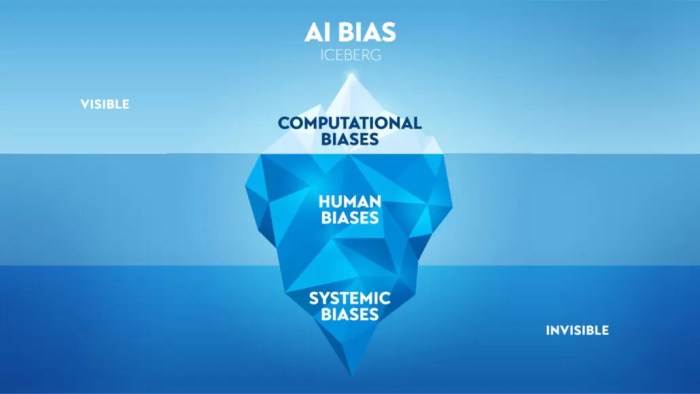
Furthermore, algorithms can inherit biases present in the training data, leading to inaccurate or discriminatory results. For instance, if an app is trained primarily on images of a specific demographic, it may not accurately represent or cater to users from different backgrounds. The opaque nature of some AI algorithms further exacerbates these concerns, making it difficult to understand how decisions are made and to identify and rectify potential biases.
The commercial incentives of app developers also create potential conflicts of interest. The value of user data can incentivize companies to prioritize profit over user privacy and well-being, potentially leading to manipulative marketing practices or the exploitation of user vulnerabilities.
Ensuring User Data Security and Transparency
App developers can implement several measures to ensure user data security and transparency. These measures are critical for building user trust and mitigating the ethical risks associated with data collection.
- Data Minimization: App developers should only collect the data necessary for the app’s core functionality. This limits the scope of potential data breaches and reduces the amount of sensitive information stored. For example, instead of storing full facial images, the app could store only anonymized feature vectors.
- Data Encryption: All user data, both in transit and at rest, should be encrypted using strong encryption protocols. This protects user data from unauthorized access in the event of a data breach.
- User Consent and Control: Users should be provided with clear and informed consent options regarding data collection and usage. They should have the ability to access, modify, and delete their data at any time. Transparent privacy policies, written in plain language, are essential.
- Algorithmic Auditing and Bias Detection: Regular audits of the algorithms should be conducted to identify and mitigate potential biases. This involves analyzing the training data, evaluating algorithm performance across different demographic groups, and implementing fairness-enhancing techniques.
Potential Impact on Body Image and Self-Esteem
The use of AI makeup apps has the potential to influence body image and self-esteem. While these apps can offer a fun and accessible way to experiment with makeup, they can also contribute to unrealistic beauty standards. The algorithms that power these apps often optimize for certain idealized features, potentially reinforcing societal pressures to conform to these standards. Users may compare their own appearance to the digitally enhanced images they see within the app, leading to feelings of inadequacy or dissatisfaction with their natural features.
The constant exposure to filtered or augmented images can distort perceptions of beauty and contribute to negative body image. Studies have shown a correlation between social media use and body image concerns, and AI makeup apps, which often integrate with social media platforms, could exacerbate these effects. For instance, if an app allows users to easily share their digitally altered photos on social media, it could contribute to a culture of unrealistic beauty expectations and increase pressure to achieve a specific aesthetic.
The Future of Beauty
AI-powered makeup applications are poised to revolutionize the beauty industry, ushering in an era of unprecedented personalization, accessibility, and efficiency. This transformation will be driven by advancements in several key areas, impacting everything from product development and marketing to consumer experience and the role of beauty professionals.
Emerging Trends in AI-Powered Makeup
The future of beauty is being shaped by several converging trends, each leveraging the power of AI to create more sophisticated and personalized experiences. These trends are not isolated developments but rather interconnected forces that will collectively redefine how we interact with beauty products and services.
- Augmented Reality (AR) Makeup: AR technology allows users to virtually “try on” makeup products in real-time using their smartphones or tablets. This eliminates the need for physical testers and provides a risk-free environment for experimentation. This technology uses facial recognition algorithms to map the user’s face and accurately apply virtual makeup, taking into account factors like skin tone, facial features, and lighting conditions.
For instance, brands like L’Oréal and Sephora have already integrated AR makeup try-on features into their mobile apps, allowing customers to experiment with different shades and styles before making a purchase. The impact of this technology is significant, as it reduces the barrier to trying new products and increases the likelihood of finding a perfect match.
- Personalized Beauty Recommendations: AI algorithms analyze vast amounts of data, including user preferences, skin type, purchase history, and even environmental factors (like humidity levels), to generate highly personalized product recommendations. This data-driven approach moves beyond generic suggestions and tailors recommendations to the individual’s specific needs and goals. For example, a customer with dry skin might receive recommendations for hydrating foundations and serums, while someone with oily skin might be directed towards oil-control products.
This level of personalization not only improves the customer experience but also drives sales by ensuring that consumers are presented with products that are most likely to meet their needs.
- Integration of AI with Beauty Devices: The convergence of AI and beauty devices, such as smart mirrors and skin analysis tools, is creating a new ecosystem of personalized skincare and makeup solutions. These devices use advanced sensors and AI algorithms to analyze skin conditions, identify areas of concern, and provide customized product recommendations and application guidance. Smart mirrors, for example, can offer real-time feedback on makeup application techniques, suggest adjustments based on facial features, and even provide virtual tutorials.
This integration empowers consumers with the tools and information they need to make informed decisions about their beauty routines and achieve their desired results.
The Impact on the Beauty Industry
The adoption of AI-powered makeup technologies will have a profound impact on various stakeholders within the beauty industry, from beauty professionals to retailers and consumers. Adapting to these changes will be crucial for maintaining competitiveness and relevance in the evolving market.
- The Role of Beauty Professionals: While AI-powered tools may automate certain aspects of makeup application and product recommendations, they are not expected to replace beauty professionals entirely. Instead, AI will likely augment their skills and expertise. Beauty professionals can leverage AI-driven insights to provide more personalized consultations, offer advanced services, and focus on areas where human touch and creativity are essential. This could involve using AI to analyze a client’s skin and then providing a custom makeup application based on the AI’s recommendations.
- Impact on Retailers: Retailers will need to adapt their strategies to accommodate the rise of AR try-on, personalized recommendations, and AI-powered devices. This could involve creating dedicated spaces for virtual try-on experiences, integrating AI-powered kiosks into stores, and training staff to provide guidance on using these technologies. Retailers will also need to focus on building strong online presences to cater to consumers who prefer to shop and experiment with makeup virtually.
Data analytics will play a critical role in understanding consumer behavior, optimizing product selection, and tailoring marketing campaigns.
How AI Will Shape the Future of Beauty and Personal Care
AI’s influence will extend across all facets of the beauty and personal care industry, creating a more efficient, personalized, and data-driven ecosystem. This transformation will be underpinned by several key advancements.
- Product Development and Formulation: AI can accelerate the product development process by analyzing vast datasets on ingredients, formulations, and consumer preferences. This allows brands to identify emerging trends, optimize formulas for specific skin types, and create more effective and targeted products. AI can also be used to predict product performance, reduce the need for extensive testing, and minimize waste. For example, AI can analyze existing product formulations and suggest modifications to improve performance or create entirely new formulations based on unmet consumer needs.
- Personalized Marketing and Advertising: AI enables highly targeted marketing campaigns by analyzing consumer data to understand their preferences, needs, and behaviors. This allows brands to deliver personalized advertisements and product recommendations through various channels, including social media, email, and mobile apps. This level of personalization increases the effectiveness of marketing efforts, drives customer engagement, and ultimately boosts sales.
- Supply Chain Optimization: AI can optimize the entire supply chain, from sourcing raw materials to distributing finished products. By analyzing data on demand, inventory levels, and production costs, AI can help companies improve efficiency, reduce waste, and ensure products are available when and where consumers need them. This can lead to significant cost savings and improved customer satisfaction.
- Sustainability and Ethical Considerations: AI can play a crucial role in promoting sustainability and ethical practices within the beauty industry. For example, AI can be used to track the environmental impact of ingredients and packaging, optimize production processes to reduce waste, and identify ethical sourcing opportunities. Furthermore, AI can help brands to provide more transparency to consumers, informing them about the ingredients, sourcing, and environmental impact of their products.
Accessibility and Inclusivity
Virtual makeup applications have the potential to revolutionize the beauty industry, but their success hinges on their ability to cater to a diverse user base. Creating inclusive apps is not just an ethical imperative; it’s also a crucial business strategy. By prioritizing accessibility and inclusivity, developers can broaden their reach, foster user loyalty, and avoid perpetuating harmful biases. This involves meticulous design, robust testing, and a commitment to ongoing improvement.
Designing Inclusive App Features
Inclusive app design necessitates a multifaceted approach, considering various user needs and abilities. It is essential to implement features that accommodate different skin tones, ethnicities, and physical capabilities.
- Skin Tone Calibration and Customization: A fundamental aspect of inclusivity is the accurate representation of diverse skin tones. This can be achieved through advanced algorithms that analyze user-provided images and calibrate the application’s color palettes accordingly. For instance, the app could utilize a color picker tool that allows users to select their skin tone from a comprehensive range, including Fitzpatrick skin types, or incorporate a feature that automatically detects and adjusts for lighting conditions to ensure color accuracy.
This is crucial as inaccurate color representation can lead to frustration and a poor user experience, especially for users with darker skin tones, where color matching algorithms can be less accurate. This is based on research in color science and computer vision, and the specific data that the app is trained on should be made transparent and diverse.
- Adaptive User Interface: Accessibility features are crucial for users with visual impairments or motor skill limitations. Developers can integrate features like adjustable font sizes, high-contrast modes, and screen reader compatibility. Furthermore, the application should allow users to navigate using voice commands or alternative input methods, such as external keyboards or switch controls. The interface should also be designed to accommodate varying screen sizes and orientations.
These features align with the Web Content Accessibility Guidelines (WCAG) and are vital for ensuring that the app is usable by a broader audience.
- Cultural Sensitivity and Representation: Beyond technical features, the app should be culturally sensitive and represent a diverse range of beauty standards and preferences. This includes offering makeup looks that cater to different ethnicities and cultural backgrounds, and providing educational content that promotes inclusivity and celebrates diversity. For example, the app could include tutorials on traditional makeup techniques from various cultures or offer virtual try-on options for products designed for specific skin tones and undertones.
This ensures the app doesn’t reinforce Eurocentric beauty standards.
Addressing Algorithmic Bias
Algorithmic bias is a significant concern in AI-powered applications, as biased data sets can lead to inaccurate and unfair results. Mitigating this requires a proactive approach.
- Diverse Data Sets: The foundation of any accurate and inclusive AI system is a diverse and representative data set. Developers should ensure that the data used to train their algorithms includes images and information from a wide range of individuals, including different skin tones, ethnicities, genders, and ages. This involves actively seeking out and incorporating data from underrepresented groups. The data collection process must also adhere to ethical guidelines, including obtaining informed consent and protecting user privacy.
- Bias Detection and Mitigation Techniques: Several techniques can be used to detect and mitigate bias in algorithms. These include:
- Fairness Metrics: Utilizing fairness metrics, such as demographic parity and equal opportunity, to assess the performance of the algorithm across different demographic groups.
- Adversarial Training: Employing adversarial training techniques to make the algorithm more robust to bias by training it to be less sensitive to discriminatory features.
- Bias Auditing: Regularly auditing the algorithm’s performance to identify and address any biases that may arise.
- Transparency and Explainability: Transparency is critical for building trust and accountability. Developers should provide users with information about how the algorithms work, the data used to train them, and any potential biases. Explainable AI (XAI) techniques can be used to make the algorithm’s decisions more transparent and understandable. This enables users to understand why the app recommends specific makeup looks or product suggestions.
From Concept to Creation
Developing an AI-powered virtual makeup app involves a complex, iterative process. It requires expertise in computer vision, machine learning, user interface design, and software engineering. The process moves from ideation and conceptualization to rigorous testing and deployment, with continuous refinement throughout. The following Artikels the key stages and critical decisions inherent in this process.
Development Phases
The development of an AI makeup app can be broadly categorized into several phases, each with specific tasks and deliverables. These phases are interconnected and often involve iterative cycles of improvement.
- Concept and Planning: This initial phase defines the app’s core functionality, target audience, and key features. It includes market research to identify unmet needs and competitor analysis to differentiate the app. A detailed project plan, including timelines, budget, and resource allocation, is crucial at this stage.
- Data Acquisition and Preparation: High-quality data is the foundation of any AI application. This phase involves collecting and preparing a large dataset of facial images, along with corresponding makeup application data. This data needs to be meticulously labeled and annotated to train the AI models effectively. The quality and diversity of the dataset directly impact the accuracy and realism of the virtual makeup.
This may involve capturing images with various skin tones, face shapes, and lighting conditions.
- AI Model Development: This is where the core AI engine is built. This involves selecting appropriate machine learning algorithms, such as convolutional neural networks (CNNs), for tasks like facial landmark detection, makeup style transfer, and skin tone analysis. The models are trained on the prepared dataset and iteratively refined to improve their performance. This includes hyperparameter tuning and model optimization.
- User Interface (UI) and User Experience (UX) Design: A well-designed UI/UX is essential for user engagement. This phase focuses on creating an intuitive and visually appealing interface that allows users to easily select and apply virtual makeup. Prototyping and user testing are critical to identify usability issues and iterate on the design.
- Software Development and Integration: This involves writing the code that brings all the components together. The AI models are integrated into the app, and the UI/UX is implemented. The app needs to be optimized for performance and compatibility with different devices. This may involve using cross-platform development frameworks to reach a wider audience.
- Testing and Quality Assurance: Rigorous testing is performed to ensure the app functions correctly and meets the desired performance criteria. This includes unit testing, integration testing, and user acceptance testing. Bugs are identified and fixed, and the app is continuously improved based on user feedback.
- Deployment and Maintenance: The app is launched on the chosen platforms (e.g., iOS, Android). Post-launch, the app is continuously monitored for performance, and updates are released to address bugs, improve features, and add new content. This includes updating the AI models with new data to maintain accuracy and realism.
Critical Decisions
Several critical decisions must be made throughout the development process, significantly impacting the app’s success. These decisions require careful consideration of technical feasibility, user needs, and business goals.
- Technology Selection: Choosing the right technologies is paramount. This includes selecting the programming languages (e.g., Python, Swift, Kotlin), machine learning frameworks (e.g., TensorFlow, PyTorch), and UI/UX design tools. The choice of technology will impact development time, performance, and scalability. For example, using a cloud-based AI platform can speed up model training and deployment.
- User Interface (UI) Design: The UI design dictates how users interact with the app. A well-designed UI should be intuitive, easy to navigate, and visually appealing. This includes selecting appropriate color schemes, typography, and layout. A/B testing different UI elements can help optimize the user experience. Consider the user’s need for easy-to-use controls, such as sliders for adjusting makeup intensity.
- Data Strategy: Developing a robust data strategy is crucial for training effective AI models. This involves deciding on data sources, data collection methods, and data annotation techniques. The dataset must be diverse and representative of the target audience to ensure accuracy and fairness. For example, consider incorporating datasets with varying skin tones and facial features.
- Feature Prioritization: Deciding which features to include in the initial release and which to prioritize for future updates is important. This involves balancing user demand with technical feasibility and development resources. Prioritizing core features that provide the most value to users is a good approach. Iterative development allows for incorporating user feedback and adding new features over time.
The Power of Personalization: Customizing the Virtual Makeup Experience for Every User

The efficacy of AI-powered virtual makeup apps hinges significantly on their ability to offer a highly personalized experience. This capability moves beyond mere product suggestions; it delves into tailoring the entire makeup application process to individual needs, preferences, and physiological characteristics. Personalization enhances user engagement, satisfaction, and ultimately, the utility of the app as a beauty tool. The foundation of successful personalization lies in a deep understanding of each user, which is achieved through data analysis and the implementation of sophisticated algorithms.The customization of makeup looks based on individual preferences, facial features, and skin tones is crucial for delivering a truly personalized experience.
This approach acknowledges that beauty is subjective and that a “one-size-fits-all” approach is inadequate. The app must therefore be capable of adapting to diverse needs, ranging from the selection of specific shades and textures to the adjustment of application techniques. The ultimate goal is to empower users to experiment with makeup confidently and find looks that reflect their personal style.
Personalization Techniques in AI Makeup Apps
Several personalization techniques can be integrated into AI makeup apps to enhance user experience. These techniques leverage data analysis, facial recognition, and machine learning to offer tailored results.
- Facial Feature Analysis: The app analyzes the user’s facial structure, including the shape of the eyes, nose, and lips. This analysis allows the app to recommend makeup looks that complement these features. For example, individuals with hooded eyes might receive suggestions for eye shadow application techniques that create the illusion of larger eyes, while those with full lips might be advised to use lip liner to define their lip shape.
- Skin Tone and Undertone Matching: Advanced algorithms analyze the user’s skin tone and undertone to suggest foundation shades, concealers, and other complexion products that seamlessly blend with their skin. This prevents the “mask-like” appearance often associated with mismatched makeup and ensures a natural, flawless finish. The app may utilize color theory principles to identify undertones and suggest products that either complement or counteract them.
- Preference-Based Recommendations: Users can input their makeup preferences, such as their favorite brands, product types, and desired looks. The app then uses this information to recommend specific products and application techniques that align with their style. This could include recommending specific lipsticks, eyeshadow palettes, or even tutorials based on the user’s preferred aesthetic.
- Real-Time Adaptation to Lighting Conditions: The app adjusts the makeup rendering based on the ambient lighting conditions. This ensures that the virtual makeup looks realistic regardless of whether the user is in a brightly lit environment or a dimly lit room. The app might use sensors to detect the light’s intensity and color temperature, and then adjust the makeup’s saturation, highlights, and shadows accordingly.
- Virtual Try-On with Personalized Adjustments: This allows users to try on makeup products virtually and then customize the application based on their preferences. Users can adjust the intensity of the color, the placement of the product, and the overall look to their liking. This is achieved by manipulating parameters within the virtual model, such as the opacity of the color or the size of the brush.
User-Friendly Interface for Customization
Creating a user-friendly interface is essential for enabling users to customize their makeup experience and save their favorite looks. The interface should be intuitive, visually appealing, and easy to navigate.
- Intuitive Controls: Provide sliders, color palettes, and other interactive controls that allow users to easily adjust makeup parameters. Sliders can be used to control the intensity of colors, the size of brushes, or the amount of product applied. Color palettes should offer a wide range of shades and allow users to create custom colors.
- Clear Visual Feedback: Provide real-time feedback on the changes the user is making. As the user adjusts a slider, the virtual makeup should update instantly to reflect the change. This helps users understand how different parameters affect the final look.
- Product Information: Display detailed information about the products being used, including their name, brand, shade, and any relevant details, such as their finish (matte, shimmer, etc.) or ingredients. This information helps users make informed decisions about the products they choose.
- Look Saving and Organization: Allow users to save their favorite makeup looks and organize them into categories. This feature allows users to easily revisit their favorite looks and experiment with different variations.
- Tutorial Integration: Integrate tutorials and guides that provide step-by-step instructions on how to achieve specific makeup looks. These tutorials can be tailored to the user’s facial features and preferences.
Wrap-Up
In conclusion, AI-powered virtual makeup apps represent a significant advancement in the beauty industry, offering a blend of technological innovation and personalized user experience. From the intricate algorithms that power facial feature detection to the strategic business models that drive market expansion, these applications have revolutionized how individuals interact with cosmetics. Addressing challenges related to realism, data privacy, and inclusivity is crucial for the continued growth and ethical deployment of these technologies.
As the industry evolves, the integration of augmented reality, personalized recommendations, and the convergence with beauty devices will further shape the future of beauty and personal care, solidifying the role of AI in empowering users and transforming the beauty experience.
FAQ Guide
How accurate is the virtual makeup application?
Accuracy varies depending on the app’s algorithms and the quality of the user’s device camera. Advanced apps utilize sophisticated techniques like texture mapping and light simulation to enhance realism, but perfect replication of real-world makeup effects remains a challenge.
What data is collected by these apps?
Typically, these apps collect facial data for feature detection and makeup application. Some apps may also gather usage data, such as product preferences and saved looks, to personalize the user experience and improve recommendations. User privacy policies Artikel the specific data collected and how it is used.
Are these apps suitable for all skin tones and ethnicities?
Ideally, developers design these apps to be inclusive, offering features and algorithms that accurately represent a wide range of skin tones and facial features. However, biases in datasets and algorithms can sometimes lead to inaccurate or unfair results for certain users, necessitating ongoing efforts to improve inclusivity.
Can I purchase makeup directly through these apps?
Many apps integrate with e-commerce platforms, allowing users to virtually try on products and then purchase them directly from the app. This feature enhances the shopping experience by providing a convenient way to discover and acquire cosmetics.
How do these apps compare to traditional makeup application?
Virtual makeup apps offer convenience and the ability to experiment with different looks without physically applying makeup. However, they cannot fully replicate the tactile experience or the precision of traditional application. The apps serve as a valuable tool for exploration, experimentation, and decision-making.