AI-Powered CRM App for Sales Teams Enhancing Sales Strategies.
Ai powered crm app for sales teams – AI-powered CRM app for sales teams is revolutionizing the sales landscape, offering unprecedented opportunities for efficiency and growth. This technology integrates artificial intelligence to analyze customer data, automate tasks, and provide actionable insights, fundamentally changing how sales teams operate. By understanding the core principles of AI and its application in CRM, sales teams can unlock significant improvements in lead generation, customer interaction, and overall sales performance.
This exploration will delve into the various facets of AI-driven CRM, from its fundamental concepts to its practical applications, highlighting the benefits and challenges of adoption.
The convergence of AI and CRM presents a significant paradigm shift, moving away from traditional, reactive sales approaches to proactive, data-driven strategies. This includes examining the key features of these applications, from lead scoring and prioritization to sales forecasting and pipeline management. Furthermore, this analysis will address crucial aspects such as data security, privacy concerns, and the implementation process, ensuring a comprehensive understanding of AI-powered CRM systems.
Real-world case studies and future trends will also be explored to provide a holistic view of the transformative impact of AI on sales team dynamics and performance.
Exploring the fundamental concepts behind AI integration in customer relationship management systems is important for understanding their effectiveness
The integration of Artificial Intelligence (AI) into Customer Relationship Management (CRM) systems represents a paradigm shift in how sales teams operate. Understanding the core AI principles that underpin these systems is crucial for appreciating their capabilities and limitations. This exploration delves into the foundational concepts, highlighting their practical applications and the challenges associated with their implementation.
Core AI Principles in Sales CRM
AI’s suitability for sales CRM stems from its ability to analyze vast datasets, identify patterns, and automate tasks. Several core principles drive this functionality:
- Machine Learning (ML): This is the foundation, enabling systems to learn from data without explicit programming. ML algorithms, such as regression, classification, and clustering, are used to predict customer behavior, identify sales opportunities, and personalize interactions. The model’s performance improves with more data, allowing it to adapt to evolving market dynamics.
- Natural Language Processing (NLP): NLP allows CRM systems to understand and interpret human language. This is critical for analyzing customer communications, such as emails, chat logs, and social media interactions. NLP facilitates sentiment analysis, topic extraction, and automated response generation, streamlining communication and improving responsiveness.
- Predictive Analytics: This leverages ML and statistical techniques to forecast future outcomes. In sales, predictive analytics is used to forecast sales, identify high-potential leads, and predict customer churn. This allows sales teams to proactively address potential issues and focus on the most promising opportunities.
- Robotic Process Automation (RPA): RPA automates repetitive, rule-based tasks. In CRM, this can include data entry, lead assignment, and report generation. By automating these tasks, RPA frees up sales representatives to focus on higher-value activities, such as building relationships and closing deals.
AI Principles Improving Sales Team Efficiency
The application of these AI principles directly translates into improved efficiency across various sales activities. Here are some examples:
- Lead Scoring and Prioritization: AI algorithms analyze lead data to assign scores based on the likelihood of conversion. This prioritizes leads, ensuring sales teams focus on the most promising prospects. For instance, a system might analyze a lead’s website activity, engagement with marketing materials, and demographic information to assign a score. High-scoring leads receive immediate attention, improving conversion rates.
- Sales Forecasting: Predictive analytics models use historical sales data, market trends, and economic indicators to forecast future sales performance. This allows sales managers to make informed decisions about resource allocation, inventory management, and sales targets. For example, a model might analyze past sales data and identify seasonality trends to predict sales volume for the next quarter.
- Personalized Customer Interactions: AI-powered CRM systems can personalize customer interactions based on individual preferences and behaviors. This includes tailoring email content, suggesting relevant products, and providing proactive support. For instance, a system might recommend products based on a customer’s purchase history and browsing behavior.
- Automated Task Management: RPA automates repetitive tasks, such as data entry, scheduling appointments, and sending follow-up emails. This frees up sales representatives to focus on building relationships and closing deals. For example, a system might automatically schedule a follow-up call after a customer downloads a specific resource.
Potential Challenges in Adopting AI-Powered CRM
While AI-powered CRM offers significant advantages, sales teams must also be aware of the potential challenges:
- Data Quality: AI systems rely on high-quality data. Inaccurate, incomplete, or inconsistent data can lead to flawed predictions and ineffective automation. Sales teams need to invest in data cleansing and governance to ensure data accuracy. For example, if contact information is inaccurate, AI-driven outreach efforts will fail.
- Integration Complexity: Integrating AI-powered CRM with existing systems can be complex and time-consuming. This may require specialized expertise and significant upfront investment. Sales teams need to carefully plan the integration process to minimize disruption.
- User Adoption: Sales representatives may resist adopting new technologies or may lack the skills to effectively use AI-powered CRM systems. Training and change management are crucial for ensuring user adoption. Sales teams need to provide adequate training and support to ensure representatives can leverage the new features.
- Ethical Considerations: AI-powered CRM raises ethical concerns related to data privacy, bias, and transparency. Sales teams need to ensure their use of AI is ethical and complies with relevant regulations. For instance, algorithms must be designed to avoid perpetuating biases in lead scoring or product recommendations.
- Cost: Implementing and maintaining AI-powered CRM systems can be expensive, involving software licensing, infrastructure costs, and the need for skilled personnel. Sales teams need to carefully evaluate the cost-benefit ratio before investing in these systems.
Detailing the advantages of using AI-powered CRM applications in sales teams is critical for showcasing its value
AI-powered Customer Relationship Management (CRM) systems are transforming sales operations, offering unprecedented opportunities for efficiency and effectiveness. These systems leverage artificial intelligence to automate tasks, analyze data, and provide actionable insights, ultimately leading to increased sales, improved customer satisfaction, and enhanced team performance. The integration of AI into CRM represents a paradigm shift, moving beyond traditional CRM’s reactive approach to a proactive, predictive, and personalized customer engagement strategy.
Lead Scoring and Prioritization Benefits
AI-driven CRM applications significantly enhance sales team performance through advanced lead scoring and prioritization. By analyzing vast datasets of customer interactions, demographics, and behavior patterns, AI algorithms can identify the leads most likely to convert into paying customers. This enables sales teams to focus their efforts on the highest-potential opportunities, leading to increased efficiency and a higher return on investment.
The process moves away from manual lead qualification, which is often time-consuming and prone to human error, towards an automated and data-driven approach.The core of this advantage lies in the AI’s ability to identify patterns and predict future behavior. For instance, an AI-powered CRM might analyze a lead’s website activity, email engagement, and social media interactions to determine their level of interest and likelihood to purchase.
Leads are then assigned a score, typically on a numerical scale, indicating their potential value. Higher-scoring leads are prioritized, ensuring that sales representatives spend their time on the most promising prospects. This reduces wasted time on low-potential leads and maximizes the chances of closing deals.AI also allows for dynamic lead scoring. As leads interact with the company, their scores are continuously updated, reflecting changes in their behavior and engagement.
This real-time adjustment ensures that sales teams always have the most up-to-date information and can adapt their strategies accordingly. Furthermore, AI can identify the optimal time to contact a lead, the preferred communication channels, and the most relevant content to share, thereby increasing the chances of a successful interaction. By automating and optimizing lead management, AI-powered CRM systems enable sales teams to close more deals, improve conversion rates, and boost overall revenue.The impact of this approach is measurable.
According to a study by Salesforce, companies using AI-powered CRM systems saw a 25% increase in sales productivity and a 20% increase in lead conversion rates. Another study by Gartner indicates that businesses using AI-driven sales tools experience a 15% to 20% increase in sales. These statistics highlight the tangible benefits of AI integration in CRM and its transformative potential for sales teams.
The predictive capabilities of AI also enable sales managers to forecast sales more accurately, optimize resource allocation, and make data-driven decisions that drive business growth. The use of AI not only streamlines the sales process but also provides a competitive edge in today’s dynamic market.
Key Features Improving Sales Team Performance
Several key features of AI-powered CRM systems contribute to improved sales team performance. These features are designed to automate tasks, provide valuable insights, and optimize the sales process from lead generation to deal closure.
- Predictive Lead Scoring: As discussed above, AI algorithms analyze data to score leads based on their likelihood to convert, enabling sales teams to prioritize high-potential prospects.
- Automated Data Entry: AI can automate the entry of customer data from various sources, such as emails, phone calls, and website forms, reducing manual data entry and freeing up sales representatives’ time.
- Sales Forecasting: AI analyzes historical sales data, market trends, and lead behavior to predict future sales, allowing for better resource allocation and strategic planning.
- Personalized Customer Interactions: AI analyzes customer data to personalize communication, content, and offers, leading to increased engagement and conversion rates.
- Chatbots and Virtual Assistants: AI-powered chatbots can handle routine customer inquiries, schedule meetings, and provide basic support, freeing up sales representatives to focus on more complex tasks.
- Sentiment Analysis: AI analyzes customer interactions, such as emails and phone calls, to determine customer sentiment, enabling sales teams to adjust their approach and address customer concerns effectively.
- Workflow Automation: AI automates repetitive tasks, such as sending follow-up emails, creating sales reports, and updating customer records, streamlining the sales process.
- Opportunity Scoring: Similar to lead scoring, AI can assess the probability of closing a deal based on various factors, such as deal size, stage, and sales representative activity.
Personalizing Customer Interactions and Improving Conversion Rates
AI’s ability to personalize customer interactions is a significant driver of improved conversion rates. By analyzing customer data, AI can tailor communication, offers, and experiences to individual preferences and needs. This level of personalization creates a more engaging and relevant customer journey, increasing the likelihood of a successful sale.
“Personalization can lead to a 10-15% increase in revenue and a 10-20% increase in conversion rates.”
McKinsey & Company
The use of AI allows for the dynamic creation of personalized content. For example, a customer who has previously shown interest in a specific product category might receive targeted product recommendations, promotional offers, or tailored content relevant to their past interactions. This contrasts with a generic approach, which often results in lower engagement and conversion rates. AI algorithms can also identify the best time to contact a customer, the preferred communication channel, and the most effective messaging style.
This ensures that the sales team interacts with each customer in a way that maximizes their chances of success.
Examining the key features of an AI-powered CRM app is essential for understanding its capabilities

The integration of Artificial Intelligence (AI) into Customer Relationship Management (CRM) systems has revolutionized sales processes, offering significant advantages in efficiency, accuracy, and strategic decision-making. AI-powered CRM applications for sales teams leverage sophisticated algorithms and machine learning to analyze vast datasets, predict customer behavior, and automate tasks, ultimately leading to improved sales performance. Understanding the core functionalities of these systems is crucial for appreciating their transformative potential.
Key Features of AI-Powered CRM Applications
AI-driven CRM applications incorporate a suite of advanced features designed to optimize sales workflows. These features are often interconnected, working synergistically to enhance various aspects of the sales cycle. The following table provides a detailed overview of key features, their descriptions, and their impact on sales teams:
| Feature | Description | Impact on Sales Teams | Example |
|---|---|---|---|
| Lead Scoring and Prioritization | AI algorithms analyze lead data (demographics, website activity, engagement with marketing materials, etc.) to assign a score, indicating the likelihood of conversion. Leads are then prioritized based on these scores. | Sales teams can focus their efforts on the most promising leads, improving conversion rates and reducing wasted time on low-potential prospects. This leads to increased efficiency in lead management and resource allocation. | An AI system identifies a lead who has downloaded a product brochure, attended a webinar, and visited the pricing page on the company website. The system assigns a high score and flags the lead for immediate follow-up by a sales representative, who then contacts the lead and offers a personalized demo. |
| Predictive Sales Forecasting | AI models analyze historical sales data, market trends, and customer interactions to forecast future sales performance with increased accuracy. | Provides sales managers with more reliable sales forecasts, enabling better resource allocation, inventory management, and strategic planning. This also facilitates more informed decision-making regarding sales targets and revenue projections. | An AI model analyzes past sales data and current market trends, predicting a 15% increase in sales for the next quarter. Based on this forecast, the sales manager increases the sales team’s targets and allocates additional marketing resources to support this growth. |
| Sales Automation and Workflow Optimization | AI automates repetitive tasks such as data entry, email follow-ups, and appointment scheduling, freeing up sales representatives to focus on more strategic activities. AI also optimizes workflows by suggesting the most efficient sequences of actions for each stage of the sales cycle. | Reduces administrative burden on sales representatives, increasing their productivity and allowing them to spend more time building relationships with customers and closing deals. This leads to improved sales team efficiency and a better customer experience. | An AI-powered system automatically sends a personalized follow-up email to a prospect who has attended a product demo, scheduling a follow-up call for the sales representative based on the prospect’s availability. This automation streamlines the sales process and ensures timely communication. |
| Personalized Customer Interactions | AI analyzes customer data to understand individual preferences, needs, and behaviors, enabling sales teams to deliver personalized messaging and tailored product recommendations. | Enhances customer engagement and satisfaction by providing relevant and valuable information. Personalized interactions increase the likelihood of converting leads into customers and foster stronger customer relationships. | An AI system analyzes a customer’s purchase history and website browsing behavior, recommending a complementary product during a follow-up email. This personalized recommendation increases the likelihood of a sale and demonstrates the company’s understanding of the customer’s needs. |
Unveiling the role of AI in lead generation and nurturing strategies is important to understand the sales process
AI’s integration into lead generation and nurturing has revolutionized sales processes, moving beyond traditional methods to embrace data-driven insights and personalized interactions. This transformation allows sales teams to optimize their efforts, improve conversion rates, and ultimately, drive revenue growth. The shift involves leveraging AI’s capabilities to understand customer behavior, predict future actions, and tailor communication strategies for maximum impact. This allows for a more efficient and effective sales cycle, focusing resources on the most promising leads and providing personalized experiences that resonate with potential customers.
AI-Driven Data Analysis and Behavioral Prediction
AI employs sophisticated algorithms to analyze vast amounts of customer data, identifying patterns and predicting future behaviors with remarkable accuracy. This analysis goes far beyond basic demographics, encompassing a comprehensive view of customer interactions, preferences, and purchase history.AI utilizes several methods for analyzing customer data and predicting future behaviors:
- Natural Language Processing (NLP): NLP algorithms analyze customer communications, such as emails, chat logs, and social media interactions, to understand sentiment, identify key topics of interest, and gauge customer needs. For example, an AI could analyze customer support tickets to identify common pain points and proactively offer solutions or resources.
- Machine Learning (ML): ML models, including supervised and unsupervised learning techniques, are trained on historical data to identify patterns and predict future actions. Supervised learning can be used to predict the likelihood of a lead converting based on characteristics like industry, company size, and engagement with marketing materials. Unsupervised learning, such as clustering, can segment leads into distinct groups based on shared characteristics and behaviors.
- Predictive Analytics: Predictive analytics leverages statistical techniques and machine learning algorithms to forecast future customer behavior, such as purchase probability, churn risk, and lifetime value. For instance, an AI-powered CRM could predict a customer’s likelihood to upgrade their subscription based on their usage patterns and engagement with new features. This enables sales teams to proactively engage with these customers and offer relevant upgrade options.
- Data Integration: AI systems integrate data from various sources, including CRM systems, marketing automation platforms, social media, and third-party data providers, to create a holistic view of each customer. This comprehensive data set enables more accurate predictions and personalized interactions.
AI algorithms also employ techniques like:
- Regression Analysis: Used to model the relationship between variables and predict outcomes, such as the probability of a lead converting.
- Classification Algorithms: Employed to categorize leads into different groups based on their characteristics and behavior, such as “hot leads,” “warm leads,” and “cold leads.”
- Clustering Algorithms: Group similar leads together based on their shared attributes, enabling targeted marketing and sales efforts.
For example, consider a SaaS company. AI can analyze website activity (pages visited, time spent), email engagement (opens, clicks), and product usage data to score leads. A lead who frequently visits the pricing page, opens multiple emails about new features, and actively uses the free trial is assigned a higher score, indicating a greater likelihood of conversion.
Impact of AI-Driven Lead Scoring on Sales Team Productivity and Sales Cycle Length
AI-driven lead scoring significantly enhances sales team productivity and streamlines the sales cycle by prioritizing high-potential leads and automating time-consuming tasks. This leads to a more efficient allocation of resources and improved sales performance.The impact of AI-driven lead scoring can be observed in several key areas:
- Improved Lead Qualification: AI-powered lead scoring identifies the most promising leads, allowing sales teams to focus their efforts on those with the highest probability of conversion. This reduces the time spent on unqualified leads and increases the overall efficiency of the sales process.
- Increased Sales Team Productivity: By prioritizing high-scoring leads, AI helps sales representatives allocate their time and resources more effectively. This leads to increased productivity and a higher number of closed deals. A study by the Aberdeen Group found that companies using lead scoring saw a 10% increase in sales productivity.
- Shorter Sales Cycle Length: AI-driven lead scoring helps sales teams identify and engage with leads at the right time with the right message. This accelerates the sales process and reduces the time it takes to convert a lead into a customer. For example, a study by Salesforce revealed that companies using AI-powered CRM saw a 26% reduction in sales cycle length.
- Personalized Sales Interactions: AI-powered lead scoring provides insights into customer preferences and behaviors, enabling sales teams to personalize their interactions and tailor their messaging. This increases the likelihood of engagement and conversion.
- Enhanced Lead Nurturing: AI can automate lead nurturing campaigns, sending targeted emails and content based on lead scores and behavior. This keeps leads engaged throughout the sales cycle and increases the chances of conversion.
- Reduced Sales Costs: By optimizing the sales process and improving lead qualification, AI-driven lead scoring can help reduce sales costs. For instance, by focusing on high-potential leads, sales teams can minimize the resources spent on unqualified prospects, leading to cost savings.
Consider a scenario where a sales team uses a traditional CRM without AI-powered lead scoring. Sales representatives spend significant time sifting through a large volume of leads, many of whom are not a good fit for the company’s products or services. This leads to wasted time, effort, and resources. With AI-driven lead scoring, the CRM automatically assigns scores to leads based on their behavior and characteristics.
Sales representatives can then prioritize high-scoring leads, leading to more efficient use of their time, increased conversion rates, and a shorter sales cycle. This allows sales teams to concentrate on the most promising leads, improving the chances of closing deals and boosting revenue.
Analyzing the impact of AI on sales forecasting and pipeline management will help clarify the strategic advantages
The integration of Artificial Intelligence (AI) into Customer Relationship Management (CRM) systems represents a paradigm shift in sales operations. This analysis will explore how AI-powered CRM applications revolutionize sales forecasting and pipeline management, providing strategic advantages over traditional methods. The core function is to leverage data analysis and predictive modeling to optimize sales performance.
Comparing AI-Powered CRM with Traditional Sales Forecasting
Traditional sales forecasting methods often rely on historical sales data, intuition, and basic statistical analysis. This approach, while providing some insights, suffers from limitations in accuracy and adaptability. AI-powered CRM systems, however, offer a significant advantage.
- Accuracy Enhancement: AI algorithms can analyze vast datasets, including historical sales data, market trends, customer behavior, and external factors (economic indicators, competitor activity). This comprehensive analysis leads to more accurate sales forecasts. Traditional methods often miss subtle patterns and correlations present in the data. For instance, a traditional model might predict sales based on past performance, but it would struggle to account for a sudden shift in customer preference due to a competitor’s new product launch.
AI, by analyzing real-time data from various sources, can quickly identify such changes and adjust the forecast accordingly.
- Predictive Capabilities: AI excels at predictive modeling. It can identify trends and predict future sales based on multiple variables. Traditional methods are primarily descriptive, focusing on past performance. The use of machine learning algorithms allows for the creation of predictive models that anticipate future sales volumes with greater precision. This enables sales teams to proactively adjust their strategies, such as increasing marketing efforts in specific regions or targeting specific customer segments.
- Real-time Adaptation: Traditional forecasts are often static and require periodic manual updates. AI-powered CRM systems can continuously learn and adapt to changing market conditions in real-time. This dynamic adaptation ensures that forecasts remain relevant and accurate. For example, if a new regulation impacts a company’s product sales, the AI system can immediately incorporate this factor into the forecast, while a traditional system might only reflect this change after a significant delay.
- Reduced Human Bias: Traditional forecasting can be influenced by human biases and subjective judgments. AI algorithms are objective and data-driven, reducing the potential for error. This leads to more reliable forecasts.
AI’s Role in Pipeline Management and Optimization
AI significantly improves pipeline management by providing actionable insights, identifying potential bottlenecks, and optimizing sales strategies. This leads to more efficient use of resources and increased conversion rates.
- Lead Scoring and Prioritization: AI can analyze lead data to assign scores, prioritizing leads most likely to convert. This enables sales teams to focus their efforts on the most promising prospects. For example, a CRM might identify leads who have visited specific product pages, downloaded case studies, or engaged with the company on social media. The AI would then assign a higher score to these leads, indicating a higher probability of conversion.
- Identifying Bottlenecks: AI can analyze the sales pipeline to identify stages where deals are getting stuck. This allows sales managers to address issues and improve the efficiency of the sales process. The AI can identify that a large number of deals are stalling at the proposal stage, for instance. This could indicate issues with the proposal process, such as unclear pricing or lack of compelling content.
- Optimizing Sales Strategies: By analyzing historical data, AI can identify which sales strategies are most effective for different customer segments. This enables sales teams to tailor their approach and improve conversion rates. The AI can analyze the success rates of different sales pitches, marketing campaigns, and pricing strategies to identify the most effective methods for different customer profiles.
- Predictive Deal Closing: AI can predict the likelihood of a deal closing and provide insights into the factors that influence the outcome. This allows sales teams to proactively address any issues and improve their chances of success.
Scenario: Quarterly Performance Improvement with AI
Consider a software company with a sales team of 20 members. Before AI implementation, the team’s quarterly revenue consistently fluctuated, with an average of $1.5 million. The sales forecasting was based on historical data and gut feeling, leading to inaccurate predictions and missed opportunities. Pipeline management was primarily manual, with little insight into bottlenecks.After implementing an AI-powered CRM, the results were transformative.
The AI analyzed the company’s sales data, customer behavior, and market trends. It identified that leads from the technology sector had a significantly higher conversion rate. The AI then prioritized leads from this sector, resulting in a more focused sales effort. The AI also identified that the proposal stage was a bottleneck, leading the sales team to streamline the proposal process and create more compelling content.The impact was immediate and substantial.
Within the first quarter after AI implementation:
- Sales forecasting accuracy improved by 35%, with forecasts closely aligning with actual sales figures.
- Lead conversion rates increased by 20% due to lead prioritization and targeted sales strategies.
- The sales team’s quarterly revenue increased to $2.1 million, a 40% improvement.
- The time spent on administrative tasks decreased by 15%, allowing sales representatives to dedicate more time to closing deals.
This scenario demonstrates how AI-driven insights can drastically improve a sales team’s performance, leading to increased revenue, improved efficiency, and a more data-driven sales process. The integration of AI transformed the sales operation from reactive to proactive, enabling the team to capitalize on opportunities and navigate market challenges effectively.
Investigating the ways AI enhances sales team collaboration and communication is key to improving teamwork
AI-powered CRM systems fundamentally reshape sales team dynamics by fostering superior communication and collaboration. These systems, through intelligent automation and data analysis, streamline workflows, reduce information silos, and facilitate a more cohesive and informed sales environment. This enhanced connectivity leads to improved team performance, higher sales figures, and a more positive work environment.
AI Facilitates Improved Communication and Collaboration Within Sales Teams
AI-driven CRM systems provide several key mechanisms to enhance communication and collaboration. By automating routine tasks and providing centralized access to information, these systems free up sales representatives to focus on more strategic activities, such as building relationships with clients and closing deals.AI-powered systems improve communication and collaboration through several key features:
- Centralized Data Access and Sharing: AI consolidates customer data from various sources into a single, accessible repository. This allows all team members to view the same information, eliminating the need for constant back-and-forth communication to gather details. For example, when a new lead is generated, all relevant information, including past interactions, preferences, and purchase history, is immediately available to every member of the sales team.
- Automated Task Management and Notifications: AI can automate task assignments, reminders, and notifications, ensuring that no action falls through the cracks. When a follow-up call is due, the system automatically alerts the responsible sales representative, providing context and relevant information. This reduces the risk of missed opportunities and improves responsiveness.
- Intelligent Communication Routing: AI analyzes the nature of a customer inquiry and routes it to the most appropriate sales representative or support agent. This ensures that the customer receives prompt and relevant assistance, improving customer satisfaction and reducing the workload on individual team members.
- Predictive Analytics for Collaboration: AI analyzes past interactions and sales data to predict potential issues or opportunities. For example, if a customer’s engagement drops, the system can alert the sales team, prompting them to reach out and address any concerns.
- Sentiment Analysis: AI can analyze customer communication, such as emails and chat logs, to assess sentiment. This allows sales teams to understand customer emotions and tailor their communication accordingly.
Integration of AI-Powered CRM Systems with Communication Tools
AI-powered CRM systems are designed to seamlessly integrate with various communication tools, further enhancing collaboration and efficiency. These integrations allow sales teams to communicate more effectively, manage interactions in a centralized location, and automate tasks across different platforms.Examples of integration include:
- Email Integration: AI-powered CRM systems can integrate with email platforms such as Gmail and Outlook. This allows sales representatives to track email interactions, automatically log communications, and schedule follow-up tasks directly from their inbox. The system can also analyze email content to identify key information, such as customer requests or concerns.
- Instant Messaging Integration: Integration with instant messaging platforms like Slack and Microsoft Teams allows sales teams to share information, collaborate on deals, and communicate in real-time. AI can be used to monitor these channels, identify important conversations, and provide relevant context to team members.
- Voice-Over-IP (VoIP) Integration: CRM systems can integrate with VoIP platforms, enabling sales representatives to make and receive calls directly from the CRM interface. This simplifies call logging, recording, and analysis, providing valuable insights into customer interactions.
- Video Conferencing Integration: Integrating with video conferencing tools, such as Zoom and Microsoft Teams, facilitates virtual meetings and presentations. AI can be used to transcribe meetings, identify key discussion points, and generate summaries, saving time and improving information sharing.
Ways AI Improves Sales Team Communication and Reduces Internal Friction
AI significantly improves sales team communication and minimizes internal friction by streamlining workflows, providing actionable insights, and automating repetitive tasks. This leads to a more efficient, collaborative, and productive sales environment.Key improvements include:
- Reduced Information Silos: AI consolidates customer data and makes it accessible to all team members, eliminating information silos and ensuring everyone is on the same page.
- Automated Task Management: AI automates task assignments, reminders, and follow-ups, ensuring that no actions are missed and that the team remains focused on sales activities.
- Improved Lead Qualification: AI analyzes lead data and identifies the most promising prospects, enabling sales teams to prioritize their efforts and reduce wasted time on unqualified leads.
- Enhanced Communication Clarity: AI-powered sentiment analysis and communication analysis tools provide insights into customer interactions, enabling sales representatives to communicate more effectively.
- Proactive Issue Detection: AI monitors customer interactions and identifies potential problems or opportunities, allowing the sales team to address issues proactively.
- Faster Response Times: AI-powered chatbots and automated responses provide immediate assistance to customers, improving customer satisfaction and freeing up sales representatives to focus on more complex tasks.
- Reduced Manual Data Entry: AI automates data entry and updates, reducing the time spent on administrative tasks and minimizing the risk of errors.
- Personalized Communication: AI personalizes communication by analyzing customer preferences and past interactions, ensuring that messages are relevant and engaging.
- Improved Sales Forecasting: AI provides more accurate sales forecasts, enabling sales teams to plan their activities more effectively and reduce internal conflicts over resource allocation.
- Objective Performance Measurement: AI provides objective data on sales team performance, helping managers to identify areas for improvement and reward top performers fairly.
Evaluating the security and privacy concerns associated with AI-powered CRM apps is essential for user trust
The integration of Artificial Intelligence (AI) into Customer Relationship Management (CRM) systems presents transformative opportunities for sales teams, enhancing efficiency and driving revenue. However, this technological advancement introduces significant security and privacy challenges that must be meticulously addressed. Ignoring these concerns can erode user trust, jeopardize sensitive data, and expose organizations to legal and reputational risks. A proactive approach to security and privacy is paramount to realizing the full potential of AI-powered CRM while safeguarding customer information and maintaining ethical business practices.
Security and Privacy Challenges in AI-Driven CRM Applications
The adoption of AI in CRM systems introduces a complex landscape of security and privacy vulnerabilities. Sales teams must be acutely aware of these challenges to mitigate potential risks effectively.
- Data Breaches and Unauthorized Access: AI-powered CRM systems often store vast amounts of sensitive customer data, including personal information, purchase history, and communication records. This data is a prime target for cyberattacks. If a system is compromised, attackers can gain unauthorized access to this data, leading to identity theft, financial fraud, and reputational damage. Sophisticated attacks, such as those leveraging advanced persistent threats (APTs), can remain undetected for extended periods, allowing attackers to exfiltrate large volumes of data.
The 2017 Equifax data breach, which exposed the personal information of over 147 million people, serves as a stark reminder of the potential consequences.
- Data Privacy Violations: AI algorithms rely on data to learn and make predictions. If the data used to train these algorithms is not properly anonymized or handled, it can lead to privacy violations. For example, AI models could inadvertently reveal sensitive information about individuals, such as their health status or financial situation, based on their interactions with the CRM system. The General Data Protection Regulation (GDPR) and the California Consumer Privacy Act (CCPA) impose strict requirements on how organizations collect, use, and protect personal data.
Non-compliance with these regulations can result in significant fines and legal repercussions.
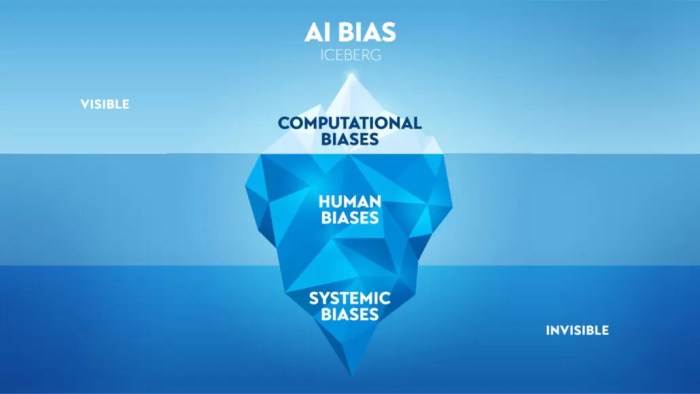
- Algorithmic Bias and Discrimination: AI algorithms can inherit and amplify biases present in the data they are trained on. This can lead to discriminatory outcomes in sales processes. For instance, an AI-powered CRM system might unfairly prioritize leads from certain demographics or offer different pricing to different customer segments based on biased data. This not only undermines fairness but also can violate anti-discrimination laws.
Research by ProPublica revealed how an algorithm used in the US criminal justice system showed racial bias, highlighting the potential for AI to perpetuate societal inequalities.
- Lack of Transparency and Explainability: Many AI algorithms, particularly deep learning models, are “black boxes.” This means that it can be difficult to understand how they arrive at their decisions. This lack of transparency can make it challenging to identify and correct biases, to assess the accuracy of predictions, and to comply with regulations that require explainable AI (XAI). For sales teams, this lack of explainability can erode trust in the system and make it difficult to justify AI-driven recommendations to customers.
- Vulnerability to Poisoning Attacks: AI models are susceptible to “poisoning attacks,” where malicious actors manipulate the training data to influence the model’s behavior. For example, an attacker could introduce false data into the CRM system to cause the AI to make incorrect predictions or to recommend harmful actions. Defending against such attacks requires robust data validation and anomaly detection techniques.
Best Practices for Data Protection and Compliance
Implementing robust data protection and compliance measures is crucial for mitigating the security and privacy risks associated with AI-powered CRM systems. Sales teams should adhere to the following best practices:
- Data Encryption: Encrypting data both in transit and at rest is a fundamental security measure. Encryption protects data from unauthorized access, even if the system is compromised. Implementing Transport Layer Security (TLS) for secure communication and using strong encryption algorithms like Advanced Encryption Standard (AES) is essential.
- Access Controls and Authentication: Implementing strict access controls ensures that only authorized personnel can access sensitive data. Multi-factor authentication (MFA) adds an extra layer of security by requiring users to verify their identity using multiple methods, such as a password and a one-time code. Regular security audits and penetration testing can identify vulnerabilities in access controls.
- Data Minimization and Anonymization: Collect and retain only the data necessary for the CRM system to function effectively. Anonymize or pseudonymize sensitive data whenever possible. This reduces the risk of data breaches and privacy violations. Techniques like data masking and tokenization can protect sensitive information while still allowing for data analysis.
- Regular Security Audits and Vulnerability Assessments: Conduct regular security audits and vulnerability assessments to identify and address potential weaknesses in the system. These assessments should include penetration testing, code reviews, and vulnerability scanning. Regularly updating software and patching security vulnerabilities is crucial.
- Compliance with Data Privacy Regulations: Ensure compliance with relevant data privacy regulations, such as GDPR and CCPA. This includes obtaining consent for data collection, providing individuals with the right to access and delete their data, and implementing appropriate data protection measures. Designating a Data Protection Officer (DPO) can help ensure compliance.
- Employee Training and Awareness: Provide comprehensive training to sales teams on data security and privacy best practices. This should include training on phishing awareness, password security, and data handling procedures. Regular training and awareness campaigns can help prevent human error, which is a common cause of data breaches.
Ensuring Ethical Use of AI in Sales Processes
Ethical considerations are paramount when deploying AI in sales processes. Sales teams must adopt measures to ensure AI is used responsibly and in a way that respects customer rights and values.
- Bias Detection and Mitigation: Actively monitor AI algorithms for bias. Use diverse datasets for training, regularly audit the model’s outputs for fairness, and implement techniques to mitigate bias, such as re-weighting data or using fairness-aware algorithms.
- Transparency and Explainability: Strive for transparency in AI decision-making. Choose AI models that are inherently more explainable, such as decision trees or rule-based systems, and provide clear explanations of how AI recommendations are generated. Develop dashboards and reporting tools that allow sales teams to understand the rationale behind AI-driven insights.
- Customer Consent and Control: Obtain explicit consent from customers before using their data for AI-driven sales processes. Provide customers with control over their data, including the ability to opt-out of personalized recommendations and to access, modify, or delete their data. Clearly communicate how AI is being used in sales interactions.
- Human Oversight and Intervention: Maintain human oversight over AI-driven processes. Ensure that sales representatives can override AI recommendations and exercise their judgment. Establish clear guidelines for when human intervention is required, such as in cases involving sensitive decisions or high-value transactions.
- Data Governance and Ethics Policies: Develop and implement comprehensive data governance and ethics policies that govern the use of AI in sales processes. These policies should address data privacy, security, bias mitigation, and transparency. Regularly review and update these policies to reflect evolving ethical standards and technological advancements.
- Regular Audits and Evaluations: Conduct regular audits and evaluations of the ethical implications of AI-driven sales processes. Assess the impact of AI on customer outcomes, identify any unintended consequences, and make adjustments as needed. This includes monitoring customer feedback and addressing any complaints related to AI-driven interactions.
Understanding the process of selecting and implementing an AI-powered CRM app is a practical necessity
The successful integration of an AI-powered CRM hinges on a well-defined selection and implementation strategy. This process requires careful consideration of sales team needs, technological capabilities, and organizational readiness. A structured approach minimizes disruption, maximizes return on investment, and fosters user adoption.
Step-by-Step Guide for Selection and Implementation
Selecting and implementing an AI-powered CRM is a multi-stage process that requires meticulous planning and execution. Each step is critical for a smooth transition and optimal utilization of the new system.
- Define Objectives and Requirements: Begin by clearly outlining the specific goals for implementing an AI-powered CRM. Identify the pain points the current system faces and define key performance indicators (KPIs) to measure success. This includes defining the features required, such as lead scoring, predictive analytics, and automated task management.
- Research and Vendor Selection: Conduct thorough research on available AI-powered CRM solutions. Evaluate vendors based on their capabilities, industry experience, customer reviews, and pricing models. Create a shortlist of vendors and request demos tailored to your specific use cases.
- Proof of Concept (POC) and Pilot Program: Before a full-scale implementation, conduct a proof of concept with a small subset of the sales team. This allows for testing the system’s functionality, data integration, and user experience in a real-world setting. Analyze the results and gather feedback to refine the selection process.
- Data Migration and Integration: Plan the data migration process meticulously. Clean and prepare existing data to ensure accuracy and consistency. Integrate the new CRM with other existing systems, such as marketing automation platforms and communication tools, to streamline workflows.
- Customization and Configuration: Tailor the CRM to meet the specific needs of the sales team. Configure workflows, create custom reports, and personalize user interfaces. This step ensures that the CRM aligns with the team’s sales processes and operational requirements.
- Training and User Adoption: Provide comprehensive training to all users on how to effectively utilize the new CRM. Develop training materials, conduct workshops, and offer ongoing support. Foster user adoption by highlighting the benefits of the new system and addressing any concerns or resistance.
- Go-Live and Monitoring: Execute a well-planned go-live strategy, including data backup and system validation. Monitor the system’s performance, user activity, and KPIs to identify areas for improvement. Provide ongoing support and updates to ensure the CRM remains effective.
- Evaluation and Optimization: Regularly evaluate the CRM’s performance against the defined KPIs. Identify areas for optimization and make necessary adjustments to workflows, configurations, and training programs. This iterative process ensures the CRM continues to meet the evolving needs of the sales team.
Checklist of Considerations Before Implementation
Before implementing an AI-powered CRM, sales teams must address several critical considerations to ensure a successful transition. These factors influence the overall effectiveness and adoption of the new system.
- Data Quality: Assess the quality of existing data. Ensure data accuracy, completeness, and consistency to prevent inaccurate AI predictions. Implement data cleansing and validation processes before migration.
- Integration Compatibility: Verify the CRM’s compatibility with existing sales and marketing tools. This includes email marketing platforms, communication tools, and other essential applications. Smooth integration is crucial for streamlined workflows.
- User Adoption: Develop a plan to encourage user adoption. This includes clear communication about the benefits of the new CRM, user-friendly interfaces, and comprehensive training programs. Address any concerns or resistance early on.
- Security and Compliance: Ensure the CRM meets the required security and privacy standards. This includes data encryption, access controls, and compliance with relevant regulations. Prioritize the protection of sensitive customer information.
- Scalability: Consider the CRM’s scalability to accommodate future growth. Ensure the system can handle increasing data volumes, user numbers, and evolving sales processes. Plan for future expansion and customization.
- Budget and ROI: Develop a detailed budget for the CRM implementation, including software costs, implementation services, and ongoing maintenance. Define the expected return on investment (ROI) and track progress against these goals.
Importance of Training and Change Management
Training and change management are essential components of a successful AI-powered CRM implementation. These strategies help users adapt to the new system and maximize its benefits.
Effective training programs equip sales teams with the skills and knowledge needed to utilize the CRM’s features. This includes hands-on training sessions, online tutorials, and ongoing support. Change management strategies address resistance to change and foster a positive user experience.
Change management includes:
- Communication: Clearly communicate the reasons for implementing the new CRM, the benefits for users, and the expected timeline. Provide regular updates and address any concerns or questions.
- Leadership Support: Secure strong support from sales leadership to champion the new CRM and encourage user adoption. Leadership should actively use the system and demonstrate its value.
- Feedback and Iteration: Establish a feedback mechanism to gather user input and identify areas for improvement. Use this feedback to refine training programs, customize the system, and address any challenges.
- Incentives and Recognition: Recognize and reward users who embrace the new CRM and achieve positive results. This can include performance-based incentives and public acknowledgement of successes.
Examining the future trends and advancements in AI-powered CRM apps is important for staying up-to-date

The trajectory of AI-powered CRM applications is dynamic, marked by continuous innovation and the integration of cutting-edge technologies. Staying informed about these advancements is crucial for sales teams seeking to maintain a competitive edge. This section will explore the emerging trends and future developments, offering insights into how these changes will reshape the sales landscape, influence team productivity, and enhance overall efficiency.
The discussion will cover advancements in areas such as predictive analytics, hyper-personalization, conversational AI, and the ethical considerations surrounding AI deployment.
Advanced Predictive Analytics and Forecasting
The future of AI-powered CRM lies in its ability to provide increasingly accurate predictive insights. This is achieved through the integration of advanced machine learning models and the analysis of vast datasets. The ability to forecast sales with greater precision and identify potential customer behaviors before they manifest is becoming increasingly important.
- Enhanced Forecasting Models: Future CRM systems will employ more sophisticated algorithms, including deep learning and neural networks, to analyze historical sales data, market trends, and external factors like economic indicators. These models will improve the accuracy of sales forecasts. For instance, consider a scenario where a CRM system analyzes historical sales data, combined with real-time economic indicators like inflation rates and consumer confidence indices.
The system could predict a 15% decrease in sales for a specific product line within the next quarter, allowing the sales team to proactively adjust its strategies.
- Proactive Lead Scoring: AI will refine lead scoring mechanisms, enabling sales teams to prioritize leads more effectively. By analyzing lead behavior, demographics, and engagement patterns, the CRM can assign scores that reflect the likelihood of conversion. For example, if a lead downloads a product brochure, attends a webinar, and frequently visits the pricing page on the company website, the AI would assign a high lead score, indicating a strong probability of conversion.
- Risk Assessment: CRM systems will proactively identify potential risks to sales pipelines, such as customer churn or deal stagnation. AI can analyze customer interactions, purchase history, and feedback to predict the likelihood of churn and suggest interventions. For example, a system might detect a pattern of declining engagement with a customer account and flag it for a sales representative to reach out and address any potential issues, thus preventing customer churn.
Hyper-Personalization in Sales Interactions
Hyper-personalization is about moving beyond generic interactions and tailoring sales efforts to individual customer preferences, behaviors, and needs. This is achieved through the use of AI to analyze customer data and create personalized experiences at every touchpoint.
- Personalized Content Recommendations: AI will analyze customer browsing history, purchase patterns, and expressed interests to recommend relevant products, services, and content. This will improve customer engagement and increase the likelihood of conversions. Imagine a customer who has repeatedly viewed product X on a company’s website. The AI-powered CRM system could automatically recommend related products (Y and Z) or offer a special discount on product X, based on their browsing history.
- Adaptive Sales Messaging: AI will tailor sales messages and communication styles to match individual customer preferences. This involves analyzing a customer’s communication history, preferred channels (email, phone, chat), and response patterns to create more effective and personalized interactions. If a customer prefers short, concise emails, the AI will adapt the messaging accordingly.
- Dynamic Pricing and Offers: AI can adjust pricing and offer customized promotions based on customer segmentation, purchase history, and real-time market conditions. This ensures that customers receive offers that are most relevant to their needs. For example, the system could automatically offer a discount to a customer who has previously purchased a similar product or adjust the price based on their geographic location and local market pricing.
Advancements in Conversational AI and Chatbots
Conversational AI and chatbots are evolving to provide more human-like interactions and support for sales teams and customers. This will reduce the workload on sales representatives and enhance customer service.
- Advanced Chatbot Capabilities: Chatbots will evolve to handle more complex inquiries, provide personalized product recommendations, and even qualify leads. These bots will be capable of understanding natural language and engaging in meaningful conversations. For example, a chatbot could guide a customer through the product selection process, answer detailed questions, and provide immediate support 24/7.
- Voice-Enabled Sales Assistants: Voice assistants integrated into CRM systems will allow sales representatives to manage their tasks hands-free. They will be able to update customer records, schedule meetings, and access information using voice commands. Imagine a sales rep saying, “Update the status of the Acme Corp. deal to ‘Negotiation,'” and the CRM automatically updates the record.
- Proactive Customer Engagement: AI will enable proactive customer outreach by identifying opportunities to engage with customers based on their behavior and preferences. For example, the system could automatically send a follow-up email to a customer who abandoned a shopping cart, offering a discount or assistance.
Ethical Considerations and Responsible AI, Ai powered crm app for sales teams
As AI becomes more integrated into CRM systems, it is crucial to address the ethical implications and ensure responsible AI practices.
- Data Privacy and Security: Protecting customer data is paramount. Future CRM systems will incorporate robust security measures, including encryption, data anonymization, and adherence to data privacy regulations (e.g., GDPR, CCPA).
- Bias Detection and Mitigation: AI algorithms can inadvertently perpetuate biases present in the data they are trained on. CRM systems will need to implement mechanisms to detect and mitigate bias in their algorithms to ensure fair and equitable outcomes.
- Transparency and Explainability: Customers and sales teams should understand how AI systems make decisions. Future CRM systems will provide greater transparency and explainability, allowing users to understand the rationale behind AI-driven recommendations and actions.
Exploring real-world case studies of successful AI-powered CRM app implementations can offer insights: Ai Powered Crm App For Sales Teams
AI-powered CRM systems have demonstrated significant potential for sales team optimization. Analyzing successful implementations provides invaluable insights into practical applications, challenges encountered, and lessons learned. These case studies highlight the tangible benefits of AI integration, showcasing how businesses have leveraged this technology to enhance sales performance, improve customer relationships, and streamline operations.
Case Study 1: Retail Giant’s Predictive Analytics for Sales Forecasting
A large multinational retail corporation implemented an AI-powered CRM to enhance its sales forecasting accuracy. The system analyzed vast datasets including historical sales data, seasonal trends, marketing campaigns, and even external factors like weather patterns and economic indicators. The AI algorithms, utilizing machine learning models, identified complex correlations and patterns invisible to traditional forecasting methods. This enabled the sales team to proactively adjust inventory levels, optimize marketing spend, and anticipate customer demand with greater precision.The challenges encountered included integrating the AI system with existing legacy CRM infrastructure and ensuring data quality across various departments.
Successes were marked by a 15% increase in forecasting accuracy, leading to reduced inventory holding costs and a 10% uplift in sales revenue within the first year. The AI system also provided personalized product recommendations to sales representatives, resulting in higher conversion rates and improved customer satisfaction.
Case Study 2: SaaS Company’s AI-Driven Lead Scoring and Qualification
A Software-as-a-Service (SaaS) company focused on business analytics implemented an AI-powered CRM to improve lead generation and qualification processes. The AI system analyzed lead behavior, website interactions, email engagement, and social media activity to assign a lead score, indicating the likelihood of conversion. The system then automatically qualified leads based on predefined criteria, prioritizing high-potential prospects for the sales team.Challenges involved training the AI model on historical sales data to accurately identify ideal customer profiles and integrate with the company’s marketing automation platform.
The successful implementation resulted in a 20% increase in qualified leads and a 12% improvement in sales cycle efficiency. The AI also provided sales representatives with insights into lead behavior, enabling them to personalize their outreach and improve their closing rates.
Case Study 3: Financial Services Firm’s AI-Powered Customer Segmentation and Relationship Management
A financial services firm deployed an AI-powered CRM to enhance customer segmentation and improve relationship management. The AI system analyzed customer data, including transaction history, investment portfolios, and communication logs, to create detailed customer profiles. These profiles were used to segment customers based on their needs, preferences, and financial goals. The sales team then used these insights to tailor their interactions, offering personalized financial advice and product recommendations.The primary challenge was ensuring data privacy and compliance with financial regulations.
Successes included a 25% increase in customer retention rate and a 18% growth in cross-selling opportunities. The AI system also automated routine tasks such as appointment scheduling and follow-up emails, freeing up the sales team to focus on building stronger customer relationships.
Lessons Learned from AI-Powered CRM Implementations
The following lessons learned provide actionable insights for sales teams considering adopting AI-powered CRM systems:
- Data Quality is Paramount: Ensure data accuracy, completeness, and consistency across all data sources. Poor data quality will undermine the effectiveness of the AI algorithms. Consider data cleansing and standardization as integral parts of the implementation process.
- Start Small and Iterate: Begin with a pilot project to test the AI system and validate its performance. Gradually expand the implementation scope as you gain experience and refine the AI models. This approach minimizes risk and allows for continuous improvement.
- Focus on User Adoption: Train the sales team on how to use the AI-powered CRM effectively. Provide ongoing support and encourage feedback to ensure user adoption and maximize the system’s impact. Incorporate user feedback to improve the AI system’s usability.
- Prioritize Integration: Seamlessly integrate the AI-powered CRM with existing systems, such as marketing automation platforms, email providers, and communication tools. This integration will streamline workflows and provide a unified view of customer interactions.
- Define Clear Goals and Metrics: Establish specific, measurable, achievable, relevant, and time-bound (SMART) goals to track the performance of the AI-powered CRM. Regularly monitor key metrics such as lead conversion rates, sales cycle length, and customer satisfaction to measure the system’s impact.
Closure
In conclusion, the integration of AI into CRM systems represents a pivotal shift in sales methodologies, offering unparalleled opportunities for efficiency, productivity, and revenue growth. By understanding the underlying principles of AI, leveraging its capabilities in lead generation, customer interaction, and sales forecasting, sales teams can significantly enhance their performance. The journey from selecting and implementing an AI-powered CRM to adapting to future trends requires a strategic approach, a commitment to data protection, and a focus on continuous improvement.
As AI continues to evolve, sales teams that embrace these technologies will be best positioned to thrive in the competitive market landscape, driving innovation and achieving sustainable success.
Question Bank
What specific AI technologies are commonly used in AI-powered CRM apps?
AI-powered CRM apps frequently employ machine learning (ML) for predictive analytics, natural language processing (NLP) for chatbots and sentiment analysis, and data mining for identifying patterns in customer behavior. These technologies enable personalized interactions and data-driven decision-making.
How does an AI-powered CRM differ from a traditional CRM?
Traditional CRMs primarily focus on data storage and organization, while AI-powered CRMs utilize AI to analyze data, automate tasks, and provide predictive insights. AI-driven systems offer enhanced capabilities in lead scoring, sales forecasting, and personalized customer interactions, resulting in increased efficiency and improved sales outcomes.
What are the key considerations for data privacy and security in AI-powered CRM?
Data privacy and security in AI-powered CRM involve implementing robust data encryption, adhering to compliance regulations (e.g., GDPR, CCPA), and obtaining explicit consent for data collection and usage. Regular security audits and employee training are crucial for maintaining data integrity and building user trust.
How long does it typically take to implement an AI-powered CRM?
The implementation timeline for an AI-powered CRM varies depending on the complexity of the system and the size of the sales team. However, a successful implementation usually requires several weeks or months, including data migration, system configuration, user training, and integration with existing tools.