Best AI Avatar Generator App for Social Media Profiles A Deep Dive
Best AI avatar generator app for social media profiles represents a fascinating intersection of artificial intelligence, user experience, and digital identity. This technology is rapidly evolving, offering users the ability to create personalized digital representations of themselves for use across various online platforms. This exploration will delve into the underlying principles, functionalities, and implications of these applications, providing a comprehensive analysis of their capabilities and potential impact on how we interact in the digital sphere.
The journey begins with an examination of the core technologies, including neural networks and deep learning, that enable the creation of realistic and stylized avatars. We will then analyze the different input methods, customization options, and integration methods across social media platforms. Furthermore, we will investigate the ethical considerations surrounding AI avatar generation, including representation, privacy, and data security. The financial aspects and future trends of this technology will also be assessed, culminating in a guide for selecting the optimal AI avatar generator application based on specific social media requirements.
Exploring the foundational principles that govern the creation of effective AI-generated avatars for online presence
AI-generated avatars are rapidly transforming how individuals present themselves online, offering personalized and stylized representations. The creation of these avatars relies on a confluence of advanced technologies and data-driven processes. Understanding the underlying principles is crucial for appreciating the capabilities and limitations of this evolving technology.
Core Technological Underpinnings for AI Avatar Generation
The generation of realistic and stylized AI avatars relies heavily on neural networks and deep learning models. These models are trained on vast datasets of images and 3D models to learn the complex relationships between visual features and human appearance.
- Generative Adversarial Networks (GANs): GANs are a key component. They consist of two neural networks: a generator and a discriminator. The generator creates new avatar images, while the discriminator tries to distinguish between real and generated images. Through adversarial training, the generator learns to produce increasingly realistic and diverse avatars.
- Convolutional Neural Networks (CNNs): CNNs are used for feature extraction and image analysis. They process image data by applying filters to identify patterns and features, such as facial expressions, hairstyles, and clothing styles. These features are then used to generate or modify the avatar.
- 3D Modeling and Rendering Techniques: Beyond 2D image generation, many avatar systems incorporate 3D models. These models allow for more dynamic and interactive avatars. Rendering engines then create the final 2D images or animations from these 3D models.
- Deep Learning Models for Style Transfer: Style transfer techniques are employed to apply different artistic styles or visual characteristics to the avatar. This allows users to customize their avatars with specific aesthetic preferences.
Step-by-Step Breakdown of Avatar Generation
The process of transforming a user’s input into a personalized avatar involves several key steps, each contributing to the final representation.
- Data Acquisition: This step involves gathering data about the user. This may include:
- Image Input: Users upload photos or provide real-time video feeds.
- Text Input: Users describe their desired avatar appearance, including hair color, facial features, and clothing.
- 3D Scan Data: Some systems use 3D scanners to capture a detailed model of the user’s face and body.
- Data Processing: The input data is then processed to extract relevant features and prepare it for the generation process. This may include:
- Face Detection and Alignment: Algorithms identify and align the user’s face in the input images.
- Feature Extraction: CNNs and other models analyze the input data to extract features such as facial landmarks, hair texture, and clothing style.
- Data Augmentation: To improve the robustness of the model, data augmentation techniques are applied, such as rotating, scaling, and adding noise to the input data.
- Avatar Generation: The core of the process where the AI model generates the avatar. This involves:
- Model Selection: Choosing the appropriate deep learning model based on the input data and desired output.
- Avatar Creation: The selected model generates the avatar, using the processed input data as a guide.
- Style Application: Applying user-specified styles or artistic filters to the generated avatar.
- Rendering: The final step where the avatar is rendered into a visual format. This may include:
- 2D Rendering: Generating a 2D image of the avatar.
- 3D Rendering: Creating a 3D model that can be viewed from different angles or used in animations.
- Animation: Adding movement and expression to the avatar, often using motion capture data or AI-driven animation techniques.
Ethical Considerations in AI Avatar Generation
The use of AI to generate avatars raises several ethical concerns that must be carefully considered. Addressing these concerns is crucial for ensuring the responsible development and deployment of this technology.
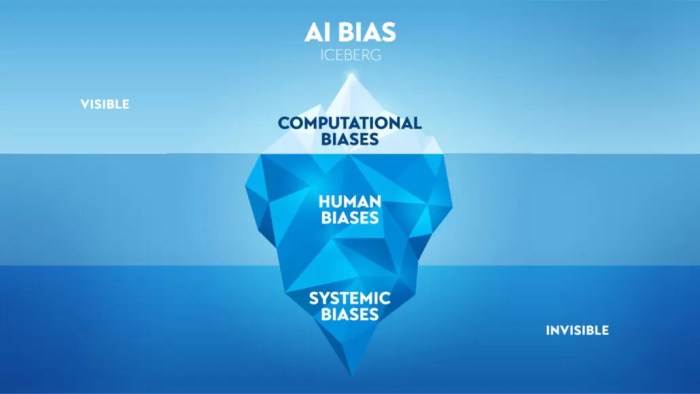
- Bias in Training Data: AI models are trained on vast datasets, and if these datasets contain biases, the resulting avatars may reflect and perpetuate those biases. For example, if the training data primarily features images of people with lighter skin tones, the AI may generate avatars that are biased towards lighter skin.
- Potential for Misuse: AI-generated avatars can be used for malicious purposes, such as creating deepfakes or impersonating individuals.
- Privacy Concerns: The collection and use of user data for avatar generation raise privacy concerns. Users must be informed about how their data is being used and have control over their personal information.
- Authenticity and Representation: The ability to generate highly realistic avatars raises questions about authenticity and the nature of online identity. It is important to ensure that users are transparent about whether they are using an AI-generated avatar.
- Algorithmic Transparency and Explainability: The complex nature of deep learning models can make it difficult to understand how an avatar is generated. Increased transparency is needed to build trust and allow for effective scrutiny.
Evaluating the various input methods available for crafting AI avatars suitable for social media platforms

The effectiveness of an AI avatar generator hinges significantly on the quality and type of input it receives. Different input methods offer varying degrees of control, accuracy, and ease of use, each impacting the final avatar’s resemblance to the user and its suitability for social media applications. This section explores the diverse input methods available, analyzing their strengths, weaknesses, and the associated challenges.
Input Methods for AI Avatar Generation
The methods employed to feed data into AI avatar generators significantly influence the output. The primary input methods include photos, videos, text descriptions, and voice recordings. Each method provides a unique pathway for the AI to understand the user’s desired appearance and characteristics, impacting the avatar’s final form.
- Photos: Providing photographs is a common and often straightforward approach. The AI analyzes the visual data within the images to construct a digital representation.
- Advantages: Photos offer a direct visual representation, allowing the AI to capture facial features, skin tone, and other physical attributes accurately. High-resolution photos can lead to highly detailed avatars.
- Disadvantages: The quality of the output is heavily dependent on the quality of the input photos. Lighting, pose, and angle variations can affect the avatar’s accuracy. Furthermore, photos may not capture dynamic aspects like hair movement or subtle facial expressions.
- Challenges: Data privacy is a primary concern. Users must trust the platform with their images, and the potential for misuse or unauthorized access is present. The AI might also struggle with photos that are heavily edited or of poor quality.
- Videos: Video input provides a dynamic source of data, enabling the AI to capture movement, expressions, and changes in appearance over time.
- Advantages: Videos offer a richer dataset than static photos, enabling the AI to learn about a user’s natural expressions, mannerisms, and overall style. This can lead to more lifelike and engaging avatars.
- Disadvantages: Processing video data requires more computational power than processing photos. The quality of the video, including resolution and frame rate, greatly impacts the final result.
- Challenges: The video input must be carefully managed to avoid data breaches. There are also computational challenges associated with processing large video files. Furthermore, the AI must distinguish between relevant information (e.g., facial expressions) and irrelevant information (e.g., background noise).
- Text Descriptions: Text-based input allows users to describe their desired avatar characteristics in words. This can include details about facial features, hairstyles, clothing, and overall style.
- Advantages: Text descriptions provide flexibility and customization options. Users can specify unique or abstract features that may not be easily captured in photos or videos.
- Disadvantages: The accuracy of the avatar depends on the AI’s ability to interpret and translate text descriptions into visual features. The output may vary depending on the platform’s understanding of natural language processing (NLP) and the quality of the description.
- Challenges: Ambiguity in the text can lead to unexpected results. The AI might misinterpret the user’s intent or struggle to create the desired avatar based on the text alone. The effectiveness of text descriptions often relies on the AI model’s training data.
- Voice Recordings: Analyzing voice recordings can provide insights into a user’s personality, tone, and vocal characteristics, which can influence the avatar’s design and behavior.
- Advantages: Voice input can be used to generate avatars that can mimic the user’s voice and mannerisms. It can also provide a unique form of biometric data that can be used to personalize the avatar.
- Disadvantages: Voice input is often used in conjunction with other input methods to create a comprehensive avatar. Voice alone is often insufficient to generate a visually appealing and accurate avatar.
- Challenges: Voice data raises privacy concerns. The AI model’s ability to accurately interpret the user’s voice can be affected by background noise and variations in the user’s speech patterns.
Comparison of Input Methods
The selection of an appropriate input method is crucial to achieve the desired avatar. Each method has distinct characteristics impacting avatar accuracy, customization capabilities, and the overall user experience.
| Input Method | Advantages | Disadvantages | Impact on Avatar | User Experience |
|---|---|---|---|---|
| Photos | Direct visual data; High accuracy with high-quality images | Dependent on photo quality; Limited dynamic information; Potential privacy concerns | Accurate representation of physical features; Limited animation capabilities | Simple and straightforward; Requires high-quality source material |
| Videos | Dynamic data; Captures movement and expressions; Richer dataset | Requires more computational power; Dependent on video quality; Higher privacy concerns | More lifelike avatars; Improved animation; Captures subtle expressions | More complex to implement; Needs good lighting and camera angle |
| Text Descriptions | High customization; Allows for abstract features; Flexible | Accuracy depends on AI’s NLP capabilities; Potential for misinterpretation | Highly customizable; Can create unique features; Less realistic | Flexible but potentially inconsistent; Requires careful wording |
| Voice Recordings | Personality and vocal characteristics; Biometric data | Often used in conjunction with other methods; Limited visual information | Personalized voice; Influences avatar behavior; Often a secondary feature | Adds an additional layer of customization; Not sufficient as a standalone input |
The choice of input method should be determined by the specific application, desired level of detail, and the trade-offs between accuracy, customization, and user experience.
Examining the diverse customization options that allow users to personalize their AI avatars for social media platforms
The capacity for personalization is a defining feature of modern AI avatar generators, allowing users to move beyond generic representations and craft digital personas that reflect their individual identities, desired aesthetics, and professional aspirations. This level of customization fosters a stronger sense of connection between the user and their online presence, ultimately enhancing engagement and self-expression. The ability to finely tune an avatar’s appearance is critical for effective representation in various social media contexts.
Customization Features and Their Impact on Avatar Aesthetics
The following table Artikels key customization options typically found in AI avatar generators and details their influence on the final avatar’s appearance. The features are organized to showcase the range of control users have over their digital representation. The examples provided demonstrate how different choices can alter the perceived personality and style of the avatar.
| Customization Option | Description | Impact on Aesthetics | Example |
|---|---|---|---|
| Facial Features | Allows modification of facial structure, including the shape of the face, eyes, nose, mouth, and ears. | Determines the overall perceived age, gender, and ethnicity of the avatar. Subtle adjustments can alter expressions and convey emotions. | Changing the eye shape from almond to round can make the avatar appear more youthful and expressive. Widening the distance between the eyes can create a perception of approachability. |
| Hairstyles | Offers a variety of hairstyles, including length, texture, color, and style. | Significantly impacts the avatar’s style, personality, and perceived age. Hairstyle can also indicate cultural affiliation or professional status. | A short, professional haircut suggests formality and competence, while long, flowing hair may imply creativity or a more relaxed attitude. A specific hair color, like a vibrant red, might indicate a bold and outgoing personality. |
| Clothing | Provides options for selecting clothing items, including tops, bottoms, shoes, and accessories. | Influences the avatar’s style, profession, and social context. Clothing can convey status, affiliation, or personal interests. | Dressing an avatar in a suit and tie suggests a professional setting, while casual wear, such as jeans and a t-shirt, is more suitable for informal contexts. Incorporating branded clothing can showcase affiliation with a particular group or company. |
| Accessories | Includes items such as glasses, hats, jewelry, and other decorative elements. | Adds detail and personality to the avatar. Accessories can communicate interests, hobbies, or personal style. | Adding glasses can enhance the avatar’s intellectual image. A hat might suggest a specific profession, such as a chef’s hat, or simply add a touch of personal flair. Jewelry can indicate social status or personal preferences. |
| Backgrounds | Enables the selection of different backgrounds for the avatar. | Sets the scene and provides context for the avatar. Backgrounds can suggest the avatar’s environment, interests, or profession. | A business-oriented background, such as an office setting, can be used for professional profiles. A nature scene might be chosen to represent an interest in the outdoors. A solid color background can provide a neutral backdrop, focusing attention on the avatar itself. |
Assessing the capabilities of AI avatar generators to create avatars that reflect diverse ethnicities and identities
The ethical and technical challenges of creating inclusive AI avatar generators are significant. The goal is to develop systems that accurately and respectfully represent the world’s diverse population, avoiding the pitfalls of bias and promoting equitable representation. This requires a deep understanding of human diversity and a commitment to responsible AI development.
Representation and Inclusivity in AI Avatar Generation
Ensuring representation and inclusivity in AI avatar generation is paramount for several reasons, impacting both the technical performance of the systems and the ethical considerations of their use. The avoidance of bias and stereotypes is a critical objective.The lack of diverse representation can lead to the perpetuation of harmful stereotypes. If AI systems are trained on datasets that primarily feature a single ethnicity or body type, the resulting avatars will reflect this bias, potentially reinforcing societal prejudices.
This can impact user experience and self-perception, particularly for individuals from underrepresented groups. The goal is to build AI systems that are fair and equitable, reflecting the diversity of the user base and preventing discrimination.
The potential negative impacts of neglecting inclusivity are significant. Imagine an AI avatar generator predominantly trained on images of fair-skinned individuals.
- Avatar Limitations: Users from underrepresented ethnic groups may find the generator struggles to accurately reflect their features, leading to avatars that appear generic or inaccurate. Skin tones might be washed out, and facial features could be homogenized.
- User Experience: Individuals from diverse backgrounds might feel excluded or misrepresented, leading to dissatisfaction and a reluctance to use the application. The experience could be perceived as reinforcing existing societal biases.
- Reinforcement of Stereotypes: If the system inadvertently generates avatars that perpetuate stereotypes associated with certain ethnicities, it can contribute to negative perceptions and prejudice. For instance, the exaggeration of certain facial features could lead to the reinforcement of harmful caricatures.
Strategies for Diverse and Respectful Representation
Developers employ several strategies to ensure their AI avatar generators accurately and respectfully represent a wide range of ethnicities, skin tones, and cultural backgrounds. These strategies address both data collection and model training.The first strategy is the use of diverse datasets. AI models are only as good as the data they are trained on. Developers must curate large and diverse datasets that include images and data from various ethnicities, skin tones, and cultural backgrounds.
This requires meticulous attention to data collection, ensuring that the data is representative and balanced. Data augmentation techniques are often used to increase the diversity of the training data. This includes techniques such as rotating, scaling, and color-adjusting existing images to create variations.Another strategy is to address bias in model training. During the training process, developers can implement techniques to mitigate bias in the AI models.
This may involve weighting the data to ensure equal representation of different demographic groups or using fairness-aware algorithms that are designed to minimize bias. Regularly auditing the model’s performance on different demographic groups is essential to identify and address any biases. Performance metrics are analyzed to ensure consistent performance across all groups.Finally, user feedback is crucial. Gathering feedback from a diverse group of users is vital for evaluating the accuracy and cultural sensitivity of the generated avatars.
This feedback can be used to refine the models and improve their performance. This iterative process of data collection, model training, and user feedback is essential for creating AI avatar generators that are both accurate and respectful.
Investigating the ways in which AI avatars can be integrated with various social media platforms
The seamless integration of AI avatars across diverse social media platforms is crucial for maximizing their utility and impact. This section explores the varying integration methods supported by platforms, examines use cases for enhanced engagement, and provides visual representations of avatar deployment. Successful integration hinges on understanding platform-specific limitations and opportunities to foster user adoption and creative expression.
Comparison of Integration Methods Across Social Media Platforms
Different social media platforms offer varying degrees of support for AI avatar integration. This diversity stems from differences in platform architecture, user interface design, and intended use cases. A comparative analysis reveals key distinctions in how avatars can be incorporated.
- Profile Pictures: Most platforms support the use of AI avatars as profile pictures. However, the process can vary. Some platforms allow direct upload of the avatar image, while others may require users to link to a third-party avatar creation service. The resolution and aspect ratio requirements for profile pictures also differ, influencing the visual quality of the avatar. For instance, Instagram typically supports higher resolution profile pictures than older platforms.
- Stories: Platforms like Instagram and Snapchat offer robust support for avatar integration in stories. Users can often use avatars as filters or stickers overlaid on their videos or photos. This functionality leverages the platform’s augmented reality (AR) capabilities. The integration often includes features like facial tracking to animate the avatar’s expressions in real-time.
- Live Streams: Integrating AI avatars into live streams presents more technical challenges. Platforms like YouTube and Twitch, though supporting live video, have varying levels of avatar integration. Some platforms may require users to employ external software or plugins to overlay their avatars onto their live streams. The processing power required for real-time avatar animation and rendering can also be a limiting factor, impacting the quality of the stream.
- Messaging: Messaging apps like WhatsApp, Telegram, and Facebook Messenger have embraced avatar integration through stickers, animated emojis, and profile pictures. Users can often create personalized avatars and use them to express themselves in text-based conversations. The integration typically includes a library of pre-designed poses and expressions that users can select to communicate their feelings.
Examples of AI Avatars Enhancing User Engagement and Creativity
AI avatars provide several opportunities to enhance user engagement and stimulate creativity across social media platforms. By enabling new forms of self-expression and interaction, they contribute to a more dynamic and engaging online experience.
- Personalized Content Creation: Users can create content featuring their AI avatars, ranging from short videos to elaborate stories. For example, a travel blogger could create an AI avatar that represents them on adventures, adding a layer of visual storytelling.
- Enhanced Privacy: AI avatars can offer users an alternative to sharing their real photos or videos, enhancing their privacy. This is particularly valuable for users who are cautious about their online presence.
- Creative Branding and Marketing: Businesses can utilize AI avatars to create unique brand identities and marketing campaigns. An e-commerce company could create an AI avatar as a virtual salesperson or product demonstrator, providing interactive customer experiences.
- Interactive Gaming and Live Streaming: Avatars can be integrated into gaming and live streaming, enabling users to represent themselves in virtual environments and interact with audiences in more dynamic ways. This includes incorporating features like virtual backgrounds and animated avatars.
- Accessibility and Inclusivity: AI avatars can be used to create avatars that reflect diverse ethnicities and identities, fostering a more inclusive online environment. This is especially important for individuals with disabilities or those who want to express themselves in ways that traditional avatars may not allow.
Visual Description of Avatar Display Across Social Media Platforms
Consider an AI avatar named “Anya.” Anya is a stylized representation of a young woman with vibrant blue hair and expressive eyes.
Profile Picture: On a platform like Twitter, Anya’s avatar is displayed as a circular image, prominently featured next to her username and tweets. The image is crisp and clear, optimized for a small display size. The avatar’s pose and expression are carefully chosen to convey a sense of approachability and creativity. The background is simple to avoid distracting from the avatar’s design.
Stories: On Instagram, Anya’s avatar is seen as a filter, overlaid on a video of a beach. Anya’s facial expressions mirror the user’s, and the avatar interacts with elements in the environment, like a virtual surfboard. The colors and lighting are consistent with the user’s video, creating a seamless and engaging experience. There are also stickers of Anya in different poses.
Live Streams: During a Twitch stream, Anya’s avatar appears as a 3D animated model. The avatar’s movements and expressions are synchronized with the streamer’s voice and actions, creating a virtual presence. The avatar is integrated with virtual backgrounds, and it interacts with viewers through chat commands and visual effects. The background is a gaming setup, with various virtual elements.
Messaging: In a WhatsApp conversation, Anya’s avatar appears as a series of animated stickers and emojis. The stickers depict Anya in various poses, expressing a range of emotions and actions. The emojis can be used to communicate different feelings and enhance the overall expressiveness of the conversation. The chat bubbles show Anya as a profile picture.
Reviewing the impact of AI avatars on online privacy and data security
The proliferation of AI avatar generators presents a double-edged sword: offering unprecedented personalization and convenience while simultaneously introducing novel privacy and security challenges. The very nature of these applications, requiring users to submit personal data, raises significant concerns about data breaches, unauthorized use, and the potential for misuse. A thorough examination of these risks and the mitigation strategies available is crucial for responsible development and adoption of AI avatar technology.
Potential Privacy Risks Associated with AI Avatar Generation
AI avatar generators rely heavily on user data to function effectively. This data, encompassing images, audio, and potentially even behavioral patterns, becomes the foundation for creating and refining avatars. The collection, storage, and processing of this data introduce several potential privacy risks.* Data Collection: The initial input data, such as photos or audio recordings, often contains personally identifiable information (PII).
This PII can include facial features, voice characteristics, and even metadata that reveals location or device information. Furthermore, some generators might collect data on user interactions with the avatar, such as how long they spend viewing it or what modifications they make.
Data Storage
Once collected, user data is typically stored on servers, either on-premise or in the cloud. The security of these storage facilities is paramount. Data breaches can expose this information to malicious actors, leading to identity theft, fraud, or even the creation of deepfakes.
Unauthorized Use
AI-generated avatars can be exploited for malicious purposes. For instance, an avatar created from a user’s likeness could be used to impersonate them online, spread misinformation, or commit financial fraud. Moreover, the data used to train the AI model itself might be vulnerable to theft or unauthorized access, leading to the creation of similar avatars without user consent.
Deepfakes and Misrepresentation
The technology can be misused to create deepfakes, where the avatar is placed in situations that did not occur, spreading misinformation, causing reputational damage, or even influencing political events.
Tracking and Profiling
User interactions with AI avatars can be tracked and used to create detailed user profiles. This data can then be used for targeted advertising, discriminatory practices, or other forms of surveillance.
Measures for Protecting Privacy in AI Avatar Generation
Developers and users can implement several measures to mitigate the privacy risks associated with AI avatar generators. These measures focus on data encryption, consent management, secure storage practices, and transparency.* Data Encryption: Implementing strong encryption protocols is critical for protecting user data both in transit and at rest. This means encrypting data as it is being transferred to the server (e.g., using HTTPS) and encrypting the data stored on the server.
Data encryption transforms data into an unreadable format, preventing unauthorized access even if a breach occurs.
Consent Management
Obtaining explicit and informed consent from users before collecting their data is essential. This includes clearly explaining how the data will be used, stored, and protected. Users should have the right to access, modify, and delete their data.
Secure Storage Practices
Implementing robust security measures for data storage is crucial. This includes using secure servers, regularly auditing security protocols, and implementing access controls to limit who can access user data. Data should be stored in compliance with relevant data protection regulations (e.g., GDPR, CCPA).
Anonymization and Pseudonymization
Whenever possible, anonymizing or pseudonymizing user data can reduce the risk of re-identification. Anonymization involves removing all identifying information, while pseudonymization replaces identifying information with pseudonyms.
Transparency and User Control
Providing users with clear information about how their data is being used and giving them control over their avatars and data is vital. This includes allowing users to review and modify their avatars, delete their data, and opt out of data collection.
Data Minimization
Only collecting the data necessary to create and maintain the avatar minimizes the potential for misuse. This principle is a cornerstone of data protection and limits the scope of potential breaches.
Regular Security Audits
Conducting regular security audits by independent third parties can help identify vulnerabilities and ensure that security measures are effective.
User Education
Educating users about the privacy risks associated with AI avatar generators and how to protect their data is essential. This includes providing information on strong password practices, recognizing phishing attempts, and understanding privacy settings.
Strategies for Balancing AI Avatar Convenience and User Data Protection
Achieving a balance between the convenience of AI avatar generation and the need to protect user data requires a multifaceted approach that prioritizes user privacy and security. The following strategies can contribute to this balance:* Data Minimization by Design: Developers should design AI avatar generators to collect only the minimum amount of data necessary to create and maintain the avatars.
User-Centric Design
Prioritizing user privacy and control in the design process. This includes providing clear and concise privacy policies, allowing users to easily manage their data, and offering granular control over avatar settings.
Federated Learning
Employing federated learning techniques, where the AI model is trained on decentralized data without directly accessing user data, can reduce the risk of data breaches.
Differential Privacy
Implementing differential privacy techniques, which add noise to the data to protect user privacy while still enabling AI model training, can enhance data security.
Third-Party Audits
Regularly conducting third-party security audits to identify and address vulnerabilities.
Clear and Transparent Privacy Policies
Providing users with clear and easy-to-understand privacy policies that explain how their data is collected, used, and protected.
User Education and Awareness
Educating users about the privacy risks associated with AI avatar generation and how to protect their data.
Analyzing the role of AI avatar generators in fostering self-expression and creative exploration
AI avatar generators are not merely tools for creating digital representations; they are potent instruments for self-expression and creative exploration. By providing users with unprecedented control over their online identities, these technologies facilitate experimentation, overcome social limitations, and unlock new avenues for artistic endeavors. This section delves into the transformative impact of AI avatars on personal creativity and social interaction.
Empowering Creative Expression and Identity Exploration
AI avatars empower users to transcend the constraints of their physical appearance and social identities, fostering a space for uninhibited creative expression. This capability is particularly significant for individuals who may face societal pressures or limitations in their offline lives. The ability to craft a digital persona allows for the exploration of diverse identities and the expression of facets of the self that might otherwise remain hidden.
- Breaking Down Social Barriers: AI avatars can circumvent biases and prejudices based on race, gender, age, or physical appearance. This allows individuals to interact in online spaces without the burden of pre-existing judgments, promoting a more inclusive and equitable environment. For example, a person with a physical disability might create an avatar that reflects their personality and interests, rather than their physical limitations.
- Experimenting with Identity: Users can experiment with different aesthetics, styles, and even gender identities through AI avatar creation. This process of identity exploration can lead to greater self-awareness and understanding. The ability to “try on” different personas can be a powerful tool for personal growth and self-discovery.
- Unleashing Artistic Creativity: AI avatar generators often incorporate features that enable users to create fantastical or stylized avatars, allowing for the creation of unique and imaginative digital representations. This can serve as a catalyst for creative projects, such as storytelling, art creation, and virtual performance.
Applications in Creative Projects
AI avatars have found widespread applications in various creative projects, transforming the way content is created and consumed. These applications leverage the flexibility and customization offered by AI avatar generators.
- Virtual Events and Performances: AI avatars are increasingly used in virtual events, concerts, and conferences. They can represent speakers, performers, or attendees, creating immersive and engaging experiences. For instance, a musician can use an AI avatar to perform in a virtual concert, reaching a global audience and experimenting with visual elements that would be impossible in a physical setting.
- Content Creation: Content creators utilize AI avatars to produce videos, animations, and other forms of digital content. This allows for the creation of engaging and visually appealing content without the need for physical actors or complex animation techniques. A YouTube channel might feature an AI avatar as its host, delivering information or entertainment in a consistent and visually distinct manner.
- Online Role-Playing and Gaming: In online role-playing games and virtual worlds, AI avatars serve as the primary means of representation. Players can customize their avatars to reflect their desired characters, engage in social interactions, and participate in collaborative storytelling. The level of customization available allows for intricate character development and a richer gaming experience.
Positive Effects on Mental Health and Social Interactions
The creative exploration enabled by AI avatars can have profound positive effects on mental health and social interactions, contributing to increased self-esteem, reduced social anxiety, and improved communication skills.
- Boosting Confidence: Creating and presenting an AI avatar that embodies desired traits or characteristics can boost self-esteem and confidence. This is particularly true for individuals who struggle with body image issues or social anxiety. By controlling their digital representation, users can project a more positive and confident image of themselves.
- Reducing Social Anxiety: Interacting with others through an AI avatar can reduce the anxiety associated with face-to-face interactions. The anonymity and control offered by avatars can make it easier for individuals to express themselves and build relationships.
- Enhancing Communication Skills: The use of AI avatars in online communication can encourage experimentation with different communication styles and approaches. This can lead to improved communication skills and a greater ability to connect with others. For example, a shy individual might find it easier to participate in online discussions using an avatar.
Investigating the financial aspects of using AI avatar generator applications
The adoption of AI avatar generators for social media profiles presents a spectrum of financial considerations for users. Understanding the pricing structures employed by these applications is crucial for making informed decisions regarding accessibility, feature availability, and overall cost-effectiveness. The financial landscape of AI avatar generation encompasses diverse models, each with distinct implications for user experience and platform sustainability.
Pricing Models of AI Avatar Generator Applications
The financial structure of AI avatar generator applications is largely defined by the pricing models they employ. These models influence the accessibility of features, the degree of customization available, and the overall user experience.
- Free: This model offers basic functionality without requiring any monetary commitment. Users can typically create rudimentary avatars with limited customization options. The free tier often serves as a marketing tool, enticing users to explore the application and potentially upgrade to a paid version. The core revenue generation strategy for free models often involves advertising or in-app purchases.
- Freemium: A freemium model provides a basic set of features for free while offering more advanced features, such as higher resolution avatars, more detailed customization options, or the removal of advertisements, through paid subscriptions or one-time purchases. This strategy allows users to experience the core functionality of the application before committing to a financial investment.
- Subscription-Based: Subscription-based models require users to pay a recurring fee (monthly or annually) to access the full range of features and benefits. This model often provides the most comprehensive customization options, access to exclusive content, and priority customer support. The recurring revenue stream allows developers to maintain and improve the application continuously.
Features and Benefits of Each Pricing Model
Each pricing model presents distinct advantages and disadvantages concerning user access and customization capabilities. The choice of model significantly influences the user’s ability to create a personalized avatar and experience the application’s full potential.
- Free: While accessible to everyone, free models often impose limitations. Users may face restrictions on the complexity of their avatars, the available customization options (e.g., limited hairstyles, clothing choices, or facial features), and the resolution of the generated images. Furthermore, advertisements are a common component of the free model, potentially disrupting the user experience. The benefit lies in its accessibility, allowing anyone to experiment with avatar creation without financial obligation.
However, the constraints limit the creative potential.
- Freemium: Freemium models provide a balance between accessibility and advanced features. Users can experience the core functionality for free while gaining access to enhanced features through paid upgrades. This approach allows users to assess the value of the application before committing to a subscription. The paid tiers often unlock higher resolution options, a broader range of customization choices, and an ad-free experience.
However, the availability of features is tiered, potentially leading to user frustration if desired options are locked behind a paywall.
- Subscription-Based: Subscription models typically offer the most comprehensive set of features and benefits. Subscribers gain access to the full suite of customization options, high-resolution avatar generation, exclusive content, and often, priority customer support. This model is ideal for users seeking the most creative freedom and the highest quality results. However, the recurring cost may be a barrier for some users, particularly those who only require occasional avatar creation.
Comparison Table of AI Avatar Generator Applications
The following table provides a comparative analysis of various AI avatar generator applications, detailing their pricing structures, features, and target audiences. Note that pricing and features are subject to change by the application developers. The specific features offered by each application can vary considerably.
| Application | Cost | Features | Target Audience |
|---|---|---|---|
| Example Application A | Free, Freemium (with in-app purchases), Subscription (e.g., $9.99/month) | Basic avatar creation, limited customization in free version, high-resolution avatars, advanced customization options, and exclusive content in paid versions. | Casual users, social media enthusiasts, and professionals seeking a more polished online presence. |
| Example Application B | Freemium (with limited free trial), Subscription (e.g., $19.99/month) | Advanced AI algorithms, detailed character modeling, a vast library of clothing and accessories, and animation capabilities in the paid version. | Digital artists, game developers, and users seeking highly detailed and expressive avatars for virtual environments. |
| Example Application C | Free, Freemium (with ads), Subscription (e.g., $4.99/month or $49.99/year) | Simple avatar creation with limited options in the free version, various styles and backgrounds in the paid version, and no ads in the subscription. | Beginners, casual users, and individuals seeking a quick and easy way to create avatars for social media profiles. |
| Example Application D | One-time purchase (e.g., $29.99), Subscription (e.g., $7.99/month) | High-resolution avatar generation, a wide range of customization options, and the ability to export avatars for various platforms. | Users who want to own the avatars, professional users who need to create avatars for various projects, and individuals who want a flexible and scalable solution. |
Evaluating the long-term potential and future trends in the evolution of AI avatar technology: Best Ai Avatar Generator App For Social Media Profiles
The trajectory of AI avatar technology is rapidly evolving, promising significant advancements that will reshape online interactions and digital identities. This section explores the potential future of AI avatars, examining anticipated improvements in realism, interactivity, and their broader societal implications, including the metaverse. The focus will be on understanding the transformative power of these technologies and their potential impact on how we live, communicate, and express ourselves in the digital realm.
Potential Advancements in AI Avatar Technology
The future of AI avatar technology is characterized by a drive towards enhanced realism, dynamic animation, and personalized interactions. These advancements are fueled by breakthroughs in several key areas.
- Improved Realism: The fidelity of AI avatars is poised to increase dramatically.
Advanced rendering techniques, such as ray tracing and path tracing, will allow for more realistic lighting, shadows, and reflections.
This will result in avatars that more closely resemble real human appearances. Furthermore, the integration of detailed textures and micro-expressions, generated through deep learning models trained on vast datasets of facial and body movements, will contribute to a more lifelike representation. An example of this is the ongoing development of photorealistic avatars by companies like Meta, which are using sophisticated 3D scanning and AI to create digital representations that are virtually indistinguishable from their real-world counterparts.
- Dynamic Animation: Avatars will become capable of a wider range of expressive and dynamic movements.
AI-driven motion capture and animation systems will enable avatars to react in real-time to user input, emotions, and environmental stimuli.
This includes sophisticated physics engines that allow for realistic interactions with virtual objects and environments. Anticipated advancements also include the ability to seamlessly integrate real-time facial expressions and body language, making online interactions more natural and engaging. This is exemplified by research being conducted at institutions like the University of Southern California’s Institute for Creative Technologies, which is exploring the use of AI to create believable virtual humans that can exhibit a wide range of emotions and behaviors.
- Personalized Interactions: The ability of AI avatars to interact with users in a personalized and adaptive manner is set to increase significantly.
AI algorithms will analyze user behavior, preferences, and emotional states to tailor avatar responses and interactions.
This includes personalized dialogue, customized gestures, and adaptive behavior patterns. Furthermore, the integration of natural language processing (NLP) and machine learning (ML) will enable avatars to understand and respond to complex conversational cues. An example of this can be found in the development of AI companions and virtual assistants that can create unique experiences based on individual user profiles and preferences.
Impact on Online Interaction, Communication, and Content Creation, Best ai avatar generator app for social media profiles
The advancements in AI avatar technology are poised to fundamentally change how people interact online, communicate, and create content. These impacts will be far-reaching and multifaceted.
- Enhanced Online Interactions: AI avatars will make online interactions more immersive, engaging, and personal.
The improved realism and dynamic animation of avatars will create more lifelike virtual representations, fostering deeper connections and improved communication.
This will be especially important in virtual reality (VR) and augmented reality (AR) environments, where avatars will play a crucial role in social interaction. The use of avatars will also enable more diverse and inclusive online communities by allowing users to express themselves in ways that reflect their identity, regardless of physical appearance or location. This is evident in the growing popularity of platforms like VRChat, where users create and interact with custom avatars in immersive virtual worlds.
- Transforming Communication: Communication through AI avatars will become more nuanced and expressive.
The ability of avatars to convey emotions, body language, and non-verbal cues will enhance the richness and depth of online communication.
This will improve the clarity and effectiveness of online interactions, particularly in professional and educational settings. The use of AI avatars will also facilitate cross-cultural communication by enabling users to customize their avatars to better reflect local customs and norms. An example is the use of AI-powered translation tools integrated into avatars, allowing for real-time interpretation of spoken language and the translation of facial expressions.
- Content Creation Revolution: AI avatars will revolutionize content creation across various media.
The ability to easily create and animate avatars will democratize content creation, empowering individuals to produce professional-quality videos, animations, and virtual experiences.
AI-generated avatars can be used to create virtual influencers, actors, and educators, opening up new opportunities for marketing, entertainment, and education. Furthermore, the integration of AI-powered tools will streamline the content creation process, allowing creators to generate complex animations and interactive experiences with minimal effort. This is evident in the increasing use of AI avatars in the gaming industry, where they are used to create realistic characters and immersive virtual environments.
Societal Implications of Advancements
The advancements in AI avatar technology carry significant societal implications, including the blurring of lines between the real and virtual worlds, and the rise of the metaverse. These implications warrant careful consideration.
- Blurring the Lines Between Real and Virtual Worlds: As AI avatars become more realistic and interactive, the distinction between the real and virtual worlds will become increasingly blurred.
This could lead to challenges related to identity, authenticity, and social interaction.
People may find it difficult to distinguish between real and virtual experiences, leading to potential issues related to privacy, security, and trust. Furthermore, the increased use of AI avatars could affect our understanding of human interaction and social norms. This is exemplified by the growing debate surrounding the use of deepfakes and the potential for AI-generated content to be used to spread misinformation or manipulate public opinion.
- The Metaverse and Digital Existence: AI avatars will play a central role in the metaverse, a persistent, shared virtual world where users can interact, socialize, and engage in various activities.
The development of realistic and expressive avatars will be essential for creating immersive and engaging metaverse experiences.
This will allow users to express themselves and interact with others in a variety of ways. The metaverse is expected to transform how we work, learn, and play, with AI avatars acting as the primary means of interacting within this digital ecosystem. The potential for economic activity within the metaverse is also significant, as users can use their avatars to purchase digital goods, attend virtual events, and engage in various forms of commerce.
Companies like Meta and Microsoft are investing heavily in the development of metaverse platforms, highlighting the growing importance of AI avatars in shaping the future of the internet.
- Ethical Considerations and Responsible Development: The development and deployment of AI avatar technology must be guided by ethical principles and a commitment to responsible innovation.
This includes addressing issues related to bias, privacy, security, and the potential for misuse.
It is crucial to ensure that AI avatars are developed and used in ways that promote inclusivity, diversity, and social well-being. This requires ongoing dialogue and collaboration between researchers, developers, policymakers, and the public to establish ethical guidelines and regulations for the development and use of AI avatar technology. An example is the ongoing discussion about the need for regulations to prevent the creation and dissemination of deepfakes and other forms of AI-generated misinformation.
Exploring the essential criteria for selecting the optimal AI avatar generator application for specific social media requirements
The selection of an appropriate AI avatar generator is crucial for achieving desired outcomes on social media platforms. A well-chosen application can enhance online presence, foster creativity, and improve user engagement. Conversely, a poorly chosen application can lead to dissatisfaction, privacy concerns, and a suboptimal online experience. This section Artikels the key criteria for evaluating and selecting the best AI avatar generator, providing a structured approach for informed decision-making.
Key Factors for AI Avatar Generator Selection
Users should carefully consider several factors when choosing an AI avatar generator to ensure it aligns with their specific needs and goals. These factors encompass usability, customization, privacy, platform compatibility, and cost. Each area demands thorough evaluation to determine the application’s suitability.
- Ease of Use: A user-friendly interface is paramount, especially for individuals with limited technical expertise. The application should offer an intuitive workflow, allowing users to quickly create and modify their avatars without requiring extensive training.
- Customization Options: The ability to personalize the avatar is critical for self-expression. The application should provide a wide range of options, including hairstyles, facial features, clothing, accessories, and the ability to upload reference images or textual prompts for detailed adjustments.
- Privacy Features: Protecting user data is non-negotiable. The application should clearly Artikel its data handling practices, including data storage, usage, and sharing policies. Encryption of user data, adherence to privacy regulations (like GDPR and CCPA), and the option for users to control their data are essential.
- Platform Compatibility: The application must seamlessly integrate with the target social media platforms. Compatibility includes image format support, resolution optimization, and the ability to directly export avatars to social media profiles.
- Cost: Pricing models vary, ranging from free applications with limited features to subscription-based services with advanced options. Users should evaluate the features offered in relation to the cost, considering their budget and the value they derive from the application.
Step-by-Step Guide for Evaluating AI Avatar Generators
A systematic evaluation process ensures a rational selection of the most appropriate AI avatar generator. This process involves research, testing, and comparison across the identified criteria.
- Define Requirements: Identify the specific goals for the avatar (e.g., professional profile, gaming persona, creative expression). Determine the desired level of customization, the platforms where the avatar will be used, and the budget constraints.
- Research Applications: Explore available AI avatar generators. Consult online reviews, compare feature sets, and read user testimonials to identify potential candidates.
- Trial and Testing: Test several applications. Utilize free trials or free versions to evaluate ease of use, customization options, and the quality of the generated avatars. Pay close attention to the time required to create and refine an avatar.
- Assess Privacy and Security: Review the privacy policies of each application. Investigate data handling practices, data storage locations, and security measures. Consider the application’s reputation for data protection.
- Compare and Contrast: Create a comparative analysis of the applications based on the identified criteria. Use a scoring system to objectively evaluate each application and determine which best meets the requirements.
Feature Checklist and Scoring System
A detailed checklist facilitates a structured evaluation process. A scoring system allows for a quantifiable comparison of the different applications. This checklist should be customized to the user’s priorities, and the scoring should reflect the relative importance of each feature.
| Feature | Description | Weight (1-5) | Application A Score (1-5) | Application B Score (1-5) | Application C Score (1-5) |
|---|---|---|---|---|---|
| Ease of Use | Intuitive interface, simple workflow, quick avatar creation. | 4 | |||
| Customization Options | Variety of hairstyles, facial features, clothing, accessories, and text prompts. | 5 | |||
| Image Quality | Resolution, realism, and aesthetic appeal of generated avatars. | 4 | |||
| Platform Compatibility | Support for social media platforms, image format support, resolution optimization. | 5 | |||
| Privacy Policy | Transparency in data handling, data storage, and sharing policies. | 5 | |||
| Security Measures | Data encryption, adherence to privacy regulations, user data control. | 4 | |||
| Cost | Pricing model (free, subscription, one-time purchase) and value for money. | 3 | |||
| Customer Support | Availability of support resources (FAQ, tutorials, customer service). | 2 | |||
| Integration with other apps | Integration with other applications such as video editors. | 2 | |||
| Total Score | (Weighted Sum) |
The “Weight” column reflects the importance of each feature to the user. The “Score” columns reflect the application’s performance on each feature, rated on a scale of 1 to 5 (1 being poor, 5 being excellent). The total score is calculated by multiplying the weight by the score for each feature and summing the results. This allows for a quantitative comparison of the applications.
For example, if “Customization Options” is rated a “5” (excellent) with a weight of “5”, it significantly impacts the final score, indicating the importance of this feature. A user could, for example, assign a weight of “5” to privacy and security features if they prioritize these aspects above all others. This system provides a structured, objective method for evaluating AI avatar generators and making an informed decision based on the user’s unique requirements.
Final Conclusion
In conclusion, the best AI avatar generator app for social media profiles offers a transformative approach to online self-expression and interaction. From understanding the underlying technology to navigating the ethical and practical considerations, this analysis highlights the multifaceted nature of this evolving field. As AI avatar technology continues to advance, its impact on online communication, creativity, and identity will undoubtedly grow.
Ultimately, understanding the nuances of these applications empowers users to leverage their potential while remaining mindful of their implications, shaping a more personalized and engaging digital experience.
Questions and Answers
How does an AI avatar generator work?
AI avatar generators utilize deep learning models, particularly neural networks, to analyze user input (photos, text, etc.) and generate a digital representation. These models are trained on vast datasets of images and styles, enabling them to create diverse and customizable avatars.
What are the main privacy concerns with using AI avatar generators?
Privacy concerns include data collection (the input data used to create the avatar), storage of this data, and the potential for misuse, such as unauthorized use or manipulation of the avatar. Users should always review the privacy policies of the application and take steps to protect their data.
Are AI avatars suitable for professional use?
Yes, AI avatars can be used professionally, particularly in virtual meetings, online presentations, and content creation. The level of professionalism depends on the avatar’s design and the context of its use.
What are the limitations of current AI avatar generators?
Current limitations include potential biases in the generated avatars (depending on the training data), varying levels of realism, and the need for high-quality input data. Moreover, customization options can be limited in some applications.