Best AI App for Managing Personal Tasks A Comprehensive Overview
Best AI app for managing personal tasks is rapidly transforming how individuals approach productivity, offering a sophisticated blend of automation, personalization, and efficiency. This analytical exploration delves into the core functionalities, user experience design, integration capabilities, and security measures of these innovative applications. The aim is to dissect the underlying technologies, evaluate their impact on workflow, and assess their potential to revolutionize personal time management.
This comprehensive analysis will examine the fundamental elements that constitute an effective AI-powered personal task manager, including the intricacies of task prioritization algorithms, learning mechanisms, and cost structures. Furthermore, a comparative assessment of leading AI task management applications will be presented, highlighting their unique strengths, weaknesses, and overall performance. The investigation will also extend to emerging trends, ethical considerations, and the future trajectory of AI in this evolving landscape.
Discovering the Core Functionality of an Outstanding AI Application for Personal Task Management is Crucial for Maximum Efficiency
The efficacy of an AI-powered personal task management application hinges on its ability to understand, organize, and proactively manage a user’s tasks. This necessitates a robust set of core functionalities working in concert. Focusing on these fundamental features ensures that the application provides genuine value, ultimately boosting productivity and reducing cognitive load. The following sections will delve into the essential components of such an application and how they interact to achieve optimal task management.
Fundamental Features of an Effective AI-Powered Personal Task Manager
The backbone of a successful AI-driven task manager comprises several essential features. These functionalities work together to create a streamlined and intelligent task management experience. Their importance lies in their ability to automate processes, personalize user interactions, and anticipate user needs, leading to increased efficiency and reduced stress.
- Intelligent Task Input and Parsing: This involves the application’s ability to understand various input methods (text, voice, etc.) and accurately interpret the user’s intent. It is the initial step in the task management process. The system must accurately extract relevant information such as due dates, priorities, and associated contexts.
- Smart Task Categorization and Organization: This feature allows the AI to automatically categorize tasks based on predefined rules, learned patterns, or user input. It ensures tasks are appropriately grouped, facilitating easier access and management. For instance, tasks could be organized by project, priority, or context (e.g., “Work,” “Home,” “Errands”).
- Proactive Scheduling and Reminders: This component uses AI to analyze task deadlines, dependencies, and user availability to create optimized schedules. It proactively sends reminders to prevent missed deadlines and ensure tasks are completed on time. The AI can dynamically adjust schedules based on unforeseen circumstances, such as delays or changing priorities.
- Contextual Awareness and Prioritization: The AI should understand the context surrounding each task, including its importance, urgency, and relationship to other tasks. This allows the system to intelligently prioritize tasks, ensuring the user focuses on the most critical items first. This can involve integrating data from other applications, such as calendar events or email communications.
- Learning and Adaptation: A critical feature is the ability of the AI to learn from user behavior and preferences. As the user interacts with the application, the AI should refine its understanding of the user’s workflow, making increasingly accurate predictions and recommendations. This includes adapting to changes in user habits and evolving priorities.
Approaches AI Uses to Understand and Categorize Tasks
AI employs several distinct approaches to understand and categorize tasks. Each method offers unique strengths and weaknesses, contributing to the overall effectiveness of the task management application.
- Natural Language Processing (NLP): NLP is the foundation for understanding human language. It enables the AI to interpret unstructured text input, such as task descriptions entered by the user.
- NLP techniques include:
- Named Entity Recognition (NER): Identifies key pieces of information within the text, such as dates, times, and locations.
- Sentiment Analysis: Determines the emotional tone of the task description, which can help in prioritizing urgent tasks.
- Intent Recognition: Deciphers the user’s goal or purpose behind the task, such as creating an event or setting a reminder.
- Machine Learning (ML): ML algorithms learn from data to improve task categorization and prediction accuracy over time. The AI can be trained on a dataset of tasks and their associated categories to learn patterns and relationships.
- ML techniques include:
- Supervised Learning: The AI is trained on labeled data, where tasks are already categorized. Algorithms like Support Vector Machines (SVMs) or Random Forests are commonly used.
- Unsupervised Learning: The AI groups tasks based on similarities without pre-defined categories. Clustering algorithms like k-means can be used.
- Reinforcement Learning: The AI learns through trial and error, receiving rewards for accurate categorizations and penalties for incorrect ones.
- Rule-Based Systems: These systems use predefined rules to categorize tasks. These rules are created by developers or users based on specific criteria. For example, a rule might automatically assign all emails from a specific sender to a “Follow Up” category.
- Advantages:
- Easy to implement and understand.
- Provides consistent results based on the defined rules.
- Disadvantages:
- Less flexible and adaptable to changes in task descriptions.
- Requires manual configuration and maintenance.
Interaction of Core Functions in Streamlining Task Management
The core functions of an AI-powered task manager interact in a coordinated manner to streamline the task management process. This interaction can be visualized through a simplified workflow diagram.
Workflow Diagram Description:
The diagram starts with “Task Input (Text, Voice, etc.)” as the initial step. This input is then processed by the “NLP Engine,” which extracts key information (due dates, priorities, context). The extracted information is fed to the “ML Categorization Module,” which classifies the task into relevant categories. The categorized task, along with its metadata, is then passed to the “Scheduling & Reminder Engine,” which creates a schedule and sets reminders.
The user receives these reminders, and the task is marked as “Completed” or “Not Completed.” If not completed, the task goes back to the Scheduling & Reminder Engine to be rescheduled. Feedback from user actions is fed back to the ML Categorization Module, allowing the system to learn and improve its categorization accuracy over time. This continuous feedback loop ensures that the system adapts to the user’s needs.
The diagram shows the iterative nature of the process. It emphasizes the flow of information and the feedback loops that allow the AI to learn and improve. It highlights how the different components work together to provide a seamless task management experience.
Customizing Core Functionalities to Fit Unique Needs
Users can customize the core functionalities of an AI-powered task manager to tailor it to their unique needs and preferences. This personalization is crucial for maximizing the application’s effectiveness and ensuring it aligns with individual workflows.
- Customizable Task Categories: Users can create custom categories or modify existing ones to reflect their specific projects, roles, or priorities. This ensures that tasks are organized in a way that makes sense to the individual user.
- Flexible Priority Settings: Users can define their own priority levels and customize the criteria used to determine task importance. This can involve adjusting the weight given to due dates, effort, and other factors.
- Personalized Reminder Preferences: Users can specify their preferred reminder times, notification methods (e.g., email, push notifications), and frequency. This ensures that reminders are timely and relevant.
- Integration with Other Applications: The ability to integrate with other applications (e.g., calendars, email clients, communication platforms) is critical. This allows users to centralize their task management and reduce the need to switch between different applications. For example, a user could connect their task manager to their email inbox to automatically create tasks from emails.
- Training the AI: Users can actively train the AI by providing feedback on its categorizations, suggestions, and predictions. This can involve correcting misclassifications, adding new information, or adjusting the AI’s learning parameters. The more the user interacts with the system, the more accurate and personalized it becomes.
Understanding User Interface Design Elements Enhances the Experience with Personal Task Management AI Applications
Effective user interface (UI) design is paramount for the success of any personal task management AI application. A well-designed UI significantly improves user experience (UX), making the application more intuitive, efficient, and enjoyable to use. This, in turn, fosters user adoption and encourages consistent engagement, ultimately leading to improved productivity and task completion rates. The following sections detail essential UI design principles, dashboard design, input methods, and the notification system to enhance the user experience.
Essential UI Design Principles for Task Management
Several core UI design principles contribute to a user-friendly and intuitive experience. These principles focus on clarity, efficiency, and user control. Adhering to these principles ensures that users can easily navigate the application and effectively manage their tasks.
- Clarity and Simplicity: The UI should be uncluttered and easy to understand. Avoid unnecessary elements and complex jargon. Use clear and concise language for labels, instructions, and error messages. Visual hierarchy is critical, guiding the user’s eye to the most important information.
- Consistency: Maintain a consistent design language throughout the application. This includes using the same fonts, colors, icons, and interaction patterns. Consistency reduces cognitive load and allows users to quickly learn and adapt to the application’s interface.
- Efficiency: Design the UI to minimize the number of steps required to complete a task. Provide shortcuts, keyboard navigation, and intelligent suggestions to streamline workflows. Consider user workflows and optimize the interface for common tasks.
- Feedback and Responsiveness: Provide immediate feedback to user actions. This can include visual cues (e.g., button highlights, progress bars), auditory cues (e.g., sounds), and modal dialogs. Ensure the application is responsive and provides real-time updates.
- User Control and Flexibility: Allow users to customize the UI to suit their preferences. This includes options for themes, font sizes, and notification settings. Provide users with the ability to undo actions and recover from errors.
Designing a Visually Appealing and Organized Dashboard, Best ai app for managing personal tasks
A well-designed dashboard is the central hub for managing tasks. It should provide a clear overview of the user’s workload, upcoming deadlines, and progress. The following elements contribute to a visually appealing and organized dashboard.
- Clear Visual Hierarchy: Utilize visual cues, such as size, color, and spacing, to prioritize information. The most important tasks and deadlines should be immediately visible.
- Task Cards: Represent each task as a card with key information, such as task title, due date, priority, and assigned tags. Consider color-coding task cards based on priority or project.
- Calendar View: Integrate a calendar view to visualize tasks and deadlines over time. Allow users to drag and drop tasks to reschedule them easily.
- Progress Indicators: Display progress bars or other visual indicators to show the completion status of tasks. This provides users with a sense of accomplishment and motivates them to complete tasks.
- Filtering and Sorting: Implement filtering and sorting options to allow users to quickly find specific tasks. Users should be able to filter by project, priority, due date, and other relevant criteria.
- Example: A dashboard might feature a large, prominent “Today’s Tasks” section at the top, followed by a calendar view and then a list of upcoming tasks grouped by project. Each task card could display a progress bar and color-coded priority indicators.
Methods of Inputting Tasks and Their Improvements
Different methods for inputting tasks enhance flexibility and convenience. Each method presents opportunities for improvement to optimize the user experience.
- Manual Input: This involves typing task details into fields. The user experience can be improved by incorporating auto-complete suggestions, validation rules to prevent errors, and the ability to set due dates, priorities, and assign tags directly within the input fields.
- Voice Input: Using voice commands to add tasks. The AI should be able to understand natural language and accurately interpret task details. Improvements include the ability to specify due dates, reminders, and assignees, and confirmation messages to the user.
- Import from Other Applications: Integrating with other productivity tools to import tasks. Provide clear instructions and error handling to ensure seamless integration. Support for various file formats and the ability to map data fields are important.
- Example: For manual input, as a user types “Prepare presentation,” the application suggests “Prepare presentation slides,” “Prepare presentation Artikel,” and “Prepare presentation for team meeting,” using a dropdown list. Voice input should understand phrases like, “Add ‘Buy groceries’ for tomorrow at 5 PM.” Importing from a project management tool should map task titles, due dates, and assignees automatically.
Design for the App’s Notification System
An effective notification system keeps users informed without overwhelming them. It is crucial to strike a balance between providing timely information and avoiding notification fatigue.
- Types of Notifications: Implement different types of notifications, such as due date reminders, progress updates, and task assignment notifications. Prioritize notifications based on their importance and urgency.
- Notification Settings: Allow users to customize notification preferences. This includes options for the frequency, delivery method (e.g., push notifications, email), and types of notifications they receive.
- Notification Delivery: Deliver notifications at the appropriate time and through the appropriate channels. For example, a reminder for a task due in 30 minutes could be delivered as a push notification, while a weekly progress report could be sent via email.
- Notification Design: Design notifications to be concise and informative. Include the task title, due date, and any other relevant information. Provide clear calls to action, such as “Mark as Complete” or “View Task.”
- Example: A notification for a task due in one hour might appear on the user’s device, displaying the task title, a brief description, and options to mark the task as complete or snooze the notification. Users can customize these notifications, choosing whether to receive them as push notifications, emails, or both.
Exploring Integration Capabilities with Other Productivity Tools is Essential for Seamless Task Management
Integrating an AI-driven personal task manager with other productivity tools is not merely a convenience; it’s a fundamental requirement for achieving maximum efficiency. The ability to seamlessly connect with existing workflows and data streams transforms a task manager from a standalone application into a central hub for all productivity-related activities. This integration facilitates automation, reduces manual data entry, and provides a holistic view of a user’s commitments and progress.
Integration’s Impact on Task Automation and Efficiency
Integration with popular productivity tools like calendars, email clients, and project management platforms drastically reduces manual effort. By automating task creation, scheduling, and information synchronization, the AI-driven task manager streamlines workflows and frees up valuable time for users to focus on more strategic activities.For example, consider the integration with a calendar application such as Google Calendar or Microsoft Outlook. When a new meeting is scheduled, the AI can automatically create a corresponding task within the task manager, complete with relevant details such as attendees, location, and agenda items.
This eliminates the need for manual data entry and ensures that important commitments are captured promptly. Similarly, integration with email clients, like Gmail or Outlook, enables the AI to automatically identify tasks from incoming emails. Emails requesting specific actions, such as “Review the report by Friday,” can be converted into actionable tasks, complete with due dates and priority levels. Furthermore, integrating with project management platforms like Asana or Trello allows the AI to synchronize tasks across different platforms.
This ensures that tasks assigned within a project are reflected in the user’s personal task manager, providing a unified view of all work-related activities. The automation capabilities offered by these integrations lead to a measurable increase in efficiency, with users spending less time on administrative tasks and more time on productive work. This is supported by studies demonstrating that users of integrated productivity tools experience an average of a 15-20% increase in overall productivity, as reported in the “Productivity Trends Report 2023” by a leading market research firm.
Comparing Integration Methods: APIs, Webhooks, and Direct Connections
Various methods facilitate the integration of an AI task manager with other productivity tools, each with its advantages and disadvantages. The selection of the optimal method depends on the specific requirements of the integration and the capabilities of the involved applications.* APIs (Application Programming Interfaces): APIs provide a standardized way for different software applications to communicate with each other. They allow the AI task manager to access and manipulate data from other applications, such as reading calendar events, sending emails, or updating project tasks.
APIs offer a high degree of flexibility and control, enabling developers to create custom integrations tailored to specific needs. However, API-based integrations often require more technical expertise to implement and maintain.
Webhooks
Webhooks are automated notifications sent from one application to another when a specific event occurs. For example, when a new email arrives in a user’s inbox, the email client can send a webhook notification to the AI task manager, triggering the creation of a new task. Webhooks are particularly useful for real-time updates and event-driven integrations. They are generally easier to implement than API-based integrations but may offer less flexibility in terms of data manipulation.
Direct Connections
Some applications offer direct connections, also known as native integrations, where the AI task manager is specifically designed to work seamlessly with another application. These integrations often provide a user-friendly experience and require minimal configuration. However, direct connections are limited to the applications for which they are specifically designed and may not be as flexible as API or webhook-based integrations.
Integration Capabilities of AI Task Management Apps
The following table provides a comparative analysis of the integration capabilities of three different AI task management applications with various productivity tools. This comparison highlights the features and limitations of each application’s integration capabilities.
| AI Task Management App | Calendar Integration | Email Client Integration | Project Management Platform Integration | Notes/Additional Features |
|---|---|---|---|---|
| App A (e.g., Any.do) | Google Calendar, Outlook Calendar (Direct Connection)
|
Gmail, Outlook (API & Direct Connection)
|
Trello, Asana (API)
|
Offers a natural language processing (NLP) interface for task creation and prioritization, further enhancing the user experience. |
| App B (e.g., Todoist) | Google Calendar, Outlook Calendar (Direct Connection & API)
|
Gmail, Outlook (API)
|
Asana, Trello, and others (API)
|
Offers a robust API for developers to create custom integrations with other applications and services. |
| App C (e.g., Microsoft To Do) | Outlook Calendar (Direct Connection)
|
Outlook (Direct Connection)
|
Microsoft Planner (Direct Connection)
|
Deep integration within the Microsoft ecosystem, providing a unified experience for users of Microsoft products. Limited integration with third-party platforms. |
Examining the Data Privacy and Security Measures is Paramount for the Protection of Sensitive Personal Information
The adoption of AI-powered personal task management applications necessitates a rigorous approach to data privacy and security. Users entrust these applications with sensitive information, including schedules, contacts, and personal preferences. Safeguarding this data is not merely a technical requirement; it is an ethical imperative and a legal obligation, critical for maintaining user trust and preventing potential misuse or breaches.
Failure to implement robust security measures can expose users to significant risks, ranging from identity theft to the compromise of personal and professional activities.
Encryption Methods for Data Protection
Encryption is a fundamental component of data security, transforming readable data into an unreadable format, thereby protecting it from unauthorized access. This process relies on cryptographic algorithms and keys to ensure confidentiality.
- Encryption in Transit: Data transmitted between the user’s device and the application’s servers must be encrypted using protocols such as Transport Layer Security (TLS) or its predecessor, Secure Sockets Layer (SSL). This prevents eavesdropping and data interception during transfer. The encryption keys should be strong, typically using algorithms like Advanced Encryption Standard (AES) with a key size of 256 bits.
- Encryption at Rest: Data stored on the application’s servers, including databases and backups, should also be encrypted. This protects data if the servers are compromised. Common methods include whole-disk encryption (e.g., BitLocker, LUKS) and database-level encryption. Database encryption can be achieved using various methods, including column-level encryption, which allows encryption of specific data fields while leaving others unencrypted for performance reasons.
- Key Management: Secure key management is crucial. Encryption keys should be stored securely, ideally using hardware security modules (HSMs) or key management systems (KMS) that provide robust protection against unauthorized access. Regular key rotation is also recommended to minimize the impact of a potential key compromise.
Data Storage Practices and Security
Secure data storage practices are essential to prevent unauthorized access, data loss, and data breaches. These practices encompass physical security, access controls, and data backup strategies.
- Secure Data Centers: Data should be stored in secure data centers with physical security measures, including biometric access controls, surveillance, and environmental controls to prevent physical damage. These centers should also have robust power backup systems to ensure continuous operation.
- Access Controls: Access to data should be strictly controlled based on the principle of least privilege. Only authorized personnel should have access to sensitive data, and access should be limited to the minimum necessary for their job functions. Role-based access control (RBAC) is a common method for implementing these controls.
- Data Minimization: The application should only collect and store the minimum amount of data necessary to provide its services. This limits the potential impact of a data breach. Unnecessary data should be deleted promptly.
- Regular Backups: Regular data backups are critical for disaster recovery and data protection. Backups should be stored securely, preferably in a separate location from the primary data storage. Backup frequency should be determined based on the sensitivity of the data and the recovery time objective (RTO).
- Data Retention Policies: Clear data retention policies should be established, specifying how long data is stored and when it should be deleted. This helps to comply with privacy regulations and minimize data storage costs.
Compliance with Privacy Regulations: GDPR and CCPA
Compliance with privacy regulations such as the General Data Protection Regulation (GDPR) and the California Consumer Privacy Act (CCPA) is mandatory for applications that handle personal data of individuals in the respective jurisdictions. These regulations impose strict requirements regarding data collection, processing, and user rights.
- GDPR Compliance: For users in the European Economic Area (EEA), the application must comply with GDPR. This includes obtaining explicit consent for data collection, providing users with the right to access, rectify, and erase their data, and implementing data protection by design and by default. Data transfers outside the EEA must comply with GDPR requirements, such as using Standard Contractual Clauses (SCCs).
- CCPA Compliance: For users in California, the application must comply with CCPA. This includes providing users with the right to know what personal information is collected, the right to delete their data, and the right to opt-out of the sale of their personal information. The definition of “sale” under CCPA is broad and includes the sharing of data for monetary or other valuable consideration.
- Privacy Policy and Terms of Service: A clear and concise privacy policy and terms of service are essential. These documents should explain the data collection practices, the purposes for which data is used, and the user’s rights. They should be easily accessible to users and updated regularly to reflect changes in data processing practices or legal requirements.
- Data Protection Officer (DPO): Organizations subject to GDPR may be required to appoint a DPO. The DPO is responsible for overseeing data protection compliance and acting as a point of contact for data protection authorities and users.
Identifying and Mitigating Security Risks
AI task management applications face several security risks, including data breaches, unauthorized access, and privacy violations. Mitigating these risks requires a proactive approach, including threat modeling, security assessments, and regular monitoring.
- Threat Modeling: Identifying potential threats and vulnerabilities through threat modeling exercises, such as STRIDE (Spoofing, Tampering, Repudiation, Information Disclosure, Denial of Service, Elevation of Privilege), is essential. This process helps to prioritize security efforts and implement appropriate controls.
- Vulnerability Assessments and Penetration Testing: Regular vulnerability assessments and penetration testing should be conducted to identify and address security weaknesses. These tests should be performed by qualified security professionals.
- AI-Specific Risks: AI models can be vulnerable to attacks, such as model poisoning and adversarial attacks. Measures should be implemented to protect the integrity of the AI models, including regular model audits and the use of robust training data.
- Third-Party Risk Management: If the application uses third-party services, such as cloud providers or data analytics platforms, the security practices of these providers must be carefully evaluated. Data transfer agreements should be in place to ensure compliance with privacy regulations.
- Security Monitoring and Incident Response: Continuous security monitoring and incident response capabilities are essential. Security information and event management (SIEM) systems can be used to collect and analyze security logs, detect suspicious activity, and trigger alerts. A well-defined incident response plan should be in place to handle security incidents effectively.
Recommendations for Users to Ensure Data Security
Users can take several steps to enhance the security of their data when using AI task management applications. These include choosing reputable applications, using strong passwords, and reviewing privacy settings.
- Choose Reputable Applications: Select applications from trusted providers with a proven track record of data security and privacy. Research the application’s security practices and read reviews from other users.
- Use Strong Passwords and Two-Factor Authentication (2FA): Use strong, unique passwords for the application and enable 2FA whenever possible. This adds an extra layer of security, even if the password is compromised.
- Review Privacy Settings: Carefully review the application’s privacy settings and customize them to control what data is shared and with whom. Be aware of the data collection practices and the purposes for which data is used.
- Be Cautious of Phishing and Social Engineering: Be vigilant against phishing attempts and social engineering attacks. Do not click on suspicious links or provide personal information to untrusted sources.
- Keep Software Updated: Ensure that the application and the operating system on the user’s devices are updated regularly to patch security vulnerabilities.
- Monitor Account Activity: Regularly monitor account activity for any suspicious behavior, such as unauthorized access or data breaches. Report any suspicious activity to the application provider immediately.
Evaluating the Accuracy and Reliability of Task Prioritization Algorithms is Vital for Efficient Workflow Management
The efficacy of any AI-driven personal task management application hinges on its ability to accurately and reliably prioritize tasks. This prioritization, governed by sophisticated algorithms, directly impacts user productivity and overall efficiency. A flawed prioritization system can lead to missed deadlines, inefficient allocation of time, and ultimately, a diminished user experience. The following sections will delve into the intricacies of these algorithms, their evaluation, and potential failure scenarios.
Algorithms and Methods for Task Prioritization
AI-powered task management applications employ a variety of algorithms to prioritize tasks. These algorithms consider multiple factors, assigning each task a priority score based on its characteristics.One common approach is the Priority Matrix, also known as the Eisenhower Matrix, which categorizes tasks based on urgency and importance. This method, although simple, provides a fundamental framework for prioritization. Tasks are placed into one of four quadrants:
- Do First* (urgent and important),
- Schedule* (important, not urgent),
- Delegate* (urgent, not important), and
- Eliminate* (neither urgent nor important). The AI implementation of this matrix typically involves user input to define urgency and importance levels.
Another method utilizes weighted scoring. Each task is assigned a score based on various criteria, such as due date proximity, estimated effort, importance (defined by the user or inferred from past behavior), and dependencies on other tasks. The weights assigned to each criterion can be adjusted by the user or dynamically learned by the AI. For example, a task with a near-term due date might receive a higher weight for the “due date” criterion, influencing its overall priority.
The formula used can be represented as:
Priority Score = (Weightdue date
- Due Date Score) + (Weight importance
- Importance Score) + (Weight effort
- Effort Score) + …
More advanced applications might employ machine learning algorithms, such as Support Vector Machines (SVMs) or neural networks, to learn user behavior and preferences over time. These algorithms analyze historical task completion data, time spent on tasks, and user interactions to predict the optimal task order. The strengths of these algorithms lie in their adaptability and ability to personalize prioritization. However, they can be vulnerable to biases present in the training data and require substantial data to perform effectively.
Weaknesses include potential for misclassification, especially with limited datasets, and the “black box” nature of some complex models, making it difficult to understand the rationale behind the prioritization decisions.
Factors Influencing Task Prioritization
Task prioritization is not solely based on a static set of rules; it’s a dynamic process influenced by various factors that constantly change.
- Due Dates: The proximity of a task’s due date is a primary driver of priority. Tasks nearing their deadline typically receive higher priority scores. This urgency factor helps prevent missed deadlines and maintains a sense of time-sensitive work.
- Importance: The perceived significance of a task, often determined by its impact on goals or its contribution to overall objectives, significantly influences its priority. Users often assign importance levels (e.g., high, medium, low) or use tags to categorize tasks based on their importance.
- Dependencies: Tasks that are dependent on the completion of other tasks are prioritized accordingly. If Task A must be finished before Task B can begin, Task A will receive a higher priority to ensure the workflow isn’t blocked. This dependency management ensures tasks are completed in the correct order, avoiding delays and maximizing efficiency.
- Effort: The estimated effort required to complete a task, such as time and resources, can also affect its prioritization. Tasks requiring less effort might be prioritized if their impact is high, allowing for quick wins and a sense of accomplishment.
- User Preferences: Personal preferences, such as working style and the types of tasks users enjoy, can also be factored in. Some AI applications allow users to customize their prioritization rules to align with their preferred workflow.
Methods for Evaluating Algorithm Accuracy and Reliability
Assessing the performance of task prioritization algorithms is critical to ensure their effectiveness. Several methods can be employed to evaluate their accuracy and reliability.
- Accuracy Metrics: Calculate metrics like precision, recall, and F1-score to evaluate how well the algorithm correctly prioritizes tasks. Precision measures the proportion of correctly prioritized tasks out of all tasks prioritized as high-priority, while recall measures the proportion of correctly prioritized tasks out of all actual high-priority tasks. The F1-score provides a balanced measure, considering both precision and recall.
- User Feedback: Regularly collect user feedback through surveys or in-app ratings. Ask users to rate the accuracy of the prioritization and provide comments on any issues they encounter. This qualitative data can reveal insights not captured by quantitative metrics.
- A/B Testing: Conduct A/B tests to compare the performance of different prioritization algorithms or different parameter settings. Randomly assign users to different groups and track their productivity, task completion rates, and overall satisfaction.
- Comparison with Human Prioritization: Compare the algorithm’s prioritization decisions with those made by human experts or project managers. This comparison helps identify areas where the algorithm excels and where it might need improvement.
- Error Analysis: Analyze the cases where the algorithm fails to prioritize tasks correctly. Identify the root causes of these errors, such as incorrect data input, algorithm biases, or unexpected task dependencies.
Failure Scenario and Solutions
Consider a scenario where an AI task management application consistently misprioritizes tasks related to a critical project deadline. For example, the algorithm might assign a lower priority to tasks essential for the project’s completion while prioritizing less important, non-urgent tasks.This failure can stem from several causes: incorrect user input regarding task importance, inaccurate estimation of task dependencies, or biases in the algorithm’s training data.
To overcome this, the following solutions can be implemented:
- Enhanced User Input: Provide users with clearer guidance on how to define task importance and dependencies. Implement a more intuitive interface for setting due dates and estimating effort.
- Dependency Visualization: Visualize task dependencies graphically, allowing users to easily identify and correct any incorrect relationships.
- Algorithm Retraining: Retrain the algorithm using a larger and more diverse dataset that includes examples of successful and unsuccessful prioritization decisions.
- Manual Override: Allow users to manually override the algorithm’s prioritization decisions, providing them with control and the ability to correct any errors.
- Feedback Loops: Incorporate feedback loops that allow the algorithm to learn from user corrections and adjustments. This iterative process will improve the accuracy over time.
Investigating the Learning and Adaptation Mechanisms of AI Applications Optimizes Task Management over Time

AI-powered personal task managers represent a significant advancement in productivity tools. Their core strength lies in their ability to learn and adapt to user behavior, transforming from static organizers into dynamic, personalized assistants. This iterative learning process allows these applications to refine their task management strategies, leading to increased efficiency and a more tailored user experience. The following sections will explore the mechanisms behind this adaptive behavior, providing insights into how these applications optimize performance over time.
How AI Applications Learn and Adapt
AI-powered task managers utilize machine learning algorithms to analyze user behavior and adapt their functionality. This process involves several key steps, enabling the applications to personalize task management strategies based on individual preferences and work styles.* Data Collection: The AI gathers data on user interactions, including task creation, completion times, prioritization choices, and calendar entries. It also considers the context of these actions, such as the time of day, location, and the user’s current activities.
Feature Extraction
The collected data is processed to extract relevant features. For example, the AI might identify recurring tasks, predict task durations, and recognize patterns in how users prioritize tasks based on deadlines and importance.
Model Training
The extracted features are used to train machine learning models. Common model types include:
Classification models
Used to categorize tasks based on priority levels (e.g., high, medium, low).
Regression models
Used to predict task completion times.
Clustering models
Used to group similar tasks or identify work patterns.
Adaptation and Refinement
As the user interacts with the application, the AI continuously monitors and evaluates its performance. If the predictions or recommendations are inaccurate, the model is retrained with the new data. This iterative process of learning, prediction, and refinement allows the AI to improve its accuracy and provide more relevant task management suggestions over time.
Personalizing Task Management
These AI applications personalize task management through various mechanisms, adapting to individual preferences and work styles.* Adaptive Prioritization: The AI learns a user’s prioritization patterns, considering factors like deadlines, importance, and the user’s typical work habits. It then suggests task prioritization strategies, such as the Eisenhower Matrix (urgent/important) or time-blocking techniques, tailored to the user’s needs.
Smart Scheduling
By analyzing calendar data and task durations, the AI suggests optimal times for completing tasks, considering the user’s availability and preferences. This might involve identifying periods of high and low productivity and scheduling tasks accordingly.
Personalized Reminders
The AI learns the best times and methods for reminding users about tasks. This can include adjusting reminder frequency based on task importance or sending reminders via preferred communication channels.
Workflow Optimization
Based on user behavior, the AI can suggest improvements to the user’s workflow, such as automating repetitive tasks or integrating with other productivity tools.
Data Used for Training and the Training Process
The effectiveness of AI-powered task managers relies heavily on the quality and quantity of data used to train their models. The training process involves several key data types and techniques.* Task-Related Data: This includes task descriptions, due dates, priority levels, estimated completion times, and actual completion times. This data provides the core information needed for task management.
Calendar and Scheduling Data
The AI uses calendar entries, meeting schedules, and appointment information to understand the user’s time commitments and availability.
User Interaction Data
This encompasses user actions within the application, such as task creation, editing, marking as complete, and the order in which tasks are completed. This data reveals user preferences and work habits.
Contextual Data
The AI may also incorporate contextual data, such as the user’s location, the type of work being performed, and the time of day, to improve the accuracy of its recommendations.
Training Process
The training process typically involves the following steps:
Data Preprocessing
Cleaning and preparing the data for use in machine learning models.
Feature Engineering
Selecting and transforming data features to improve model performance.
Model Selection
Choosing the appropriate machine learning algorithms based on the type of task and the available data.
Model Training
Training the selected models using the prepared data.
Model Evaluation
Assessing the performance of the trained models using various metrics, such as accuracy, precision, and recall.
Model Deployment and Monitoring
Deploying the trained models and continuously monitoring their performance in real-world use.
User Feedback and Improvement
User feedback plays a crucial role in improving the AI’s learning and adaptation capabilities. Several mechanisms allow users to provide feedback and refine the AI’s performance.* Rating Systems: Users can rate the accuracy and relevance of the AI’s suggestions and recommendations.
Direct Feedback Mechanisms
Users can provide direct feedback on specific tasks or recommendations, such as indicating whether a suggested priority level was correct or whether a predicted completion time was accurate.
Customization Options
Users can customize the AI’s settings and preferences, such as specifying their preferred task prioritization methods or the frequency of reminders.
Active Learning Techniques
Some applications use active learning techniques, which involve the AI proactively asking users for feedback on specific tasks or recommendations.
Examples of feedback impacting performance
If a user consistently marks a task as “urgent” despite the AI classifying it as “low priority,” the AI learns to adjust its prioritization model for that user.
If a user frequently edits the estimated time for a specific type of task, the AI learns to refine its time prediction algorithm for similar tasks.
If a user dismisses reminders for a particular task type, the AI may reduce the frequency of reminders for those tasks.
Analyzing the Cost Structure and Subscription Models Facilitates Informed Decisions on AI Task Management Applications
Understanding the financial implications of utilizing AI-powered personal task management applications is crucial for making informed decisions and maximizing the return on investment. The cost structure significantly impacts the overall usability and accessibility of these tools. This section delves into the various pricing models, subscription tiers, and potential hidden costs associated with AI task management applications.
Pricing Models and Cost Structures
The pricing models for AI-powered personal task management applications vary widely, often reflecting the complexity of features and the target user base. These models are designed to cater to different user needs and budgets.
- Freemium Model: This model offers a basic version of the application for free, with limited features and usage. It serves as an entry point, allowing users to experience the core functionalities before committing to a paid subscription. This is a common strategy to attract a large user base. For example, a freemium application might limit the number of tasks or projects a user can manage simultaneously.
- Subscription Model: The most prevalent model, subscription-based pricing provides access to a broader range of features and increased usage limits for a recurring fee, typically monthly or annually. This model offers different tiers, each unlocking more advanced capabilities. Examples include access to advanced AI-powered features, increased storage, and priority customer support.
- Tiered Pricing: Within the subscription model, tiered pricing offers various levels of service, each priced differently based on the features and resources provided. This allows users to select a plan that aligns with their specific requirements and budget. Tiers typically differ in terms of storage capacity, the number of users (for team-based applications), access to specific AI algorithms, and the level of customer support.
- Usage-Based Pricing: Some applications employ a usage-based pricing model, where users are charged based on their actual consumption of resources, such as the number of tasks processed, the amount of data stored, or the number of AI-driven actions performed. This model is often used for applications with highly variable usage patterns, providing flexibility and cost control.
- One-Time Purchase: Although less common, some applications may offer a one-time purchase option, granting users perpetual access to the software. This model is often associated with simpler applications or those offering a specific set of features without ongoing updates or support.
Subscription Tier Comparison
Subscription tiers typically differentiate themselves through feature sets, usage limits, and support levels. Comparing these tiers helps users determine which plan best fits their needs.
- Basic Tier: The entry-level plan, often designed for individual users with basic task management needs. Features may include limited task creation, basic organization tools, and access to core AI features. Storage capacity and the number of tasks or projects may be restricted.
- Standard Tier: This tier typically offers expanded features compared to the basic plan, such as increased storage, more advanced organizational tools (e.g., subtasks, recurring tasks), and access to a wider range of AI-powered functionalities. It may also include integrations with other productivity tools.
- Premium Tier: The highest tier, often aimed at power users or small teams, provides access to all features, including advanced AI algorithms, priority support, and potentially team collaboration features. Unlimited storage and usage limits are common.
- Enterprise Tier: Designed for larger organizations, the enterprise tier includes all premium features, along with enhanced security, customization options, and dedicated support. It often includes features such as single sign-on (SSO) and advanced data analytics.
Potential Hidden Costs
Beyond the stated subscription fees, users should be aware of potential hidden costs that can impact the overall expense of using an AI task management application.
- Data Storage Costs: While some applications offer unlimited storage, others impose limits, and exceeding these limits can result in additional charges. The cost of data storage may depend on the amount of data stored and the chosen storage tier.
- Premium Features: Certain advanced features, such as specialized AI algorithms or advanced reporting capabilities, may be offered as add-ons or require a higher subscription tier. These features can significantly increase the overall cost.
- Integration Fees: Integrating the task management application with other tools (e.g., calendar applications, email clients) may incur additional costs, depending on the integration capabilities and the pricing of the integrated services.
- Training and Implementation Costs: While not a direct cost of the application itself, the time and resources required to train users and implement the application within a workflow can represent a significant investment. This is particularly relevant for team-based applications.
- Transaction Fees: For applications that handle financial transactions or integrate with payment gateways, transaction fees may apply, adding to the overall cost.
Tips for choosing a cost-effective AI task management application:
- Assess Your Needs: Determine the essential features and functionalities required for your task management needs.
- Compare Pricing Models: Evaluate different pricing models and choose the one that aligns with your usage patterns and budget.
- Review Subscription Tiers: Compare the features and benefits of different subscription tiers to find the best fit.
- Consider Hidden Costs: Be aware of potential hidden costs, such as data storage or premium features, and factor them into your decision.
- Take Advantage of Free Trials: Utilize free trials to test the application and evaluate its suitability before committing to a paid subscription.
- Read User Reviews: Check user reviews to gain insights into the application’s value, reliability, and customer support.
Comparing the Different AI Task Management Applications on the Market Reveals Unique Strengths and Weaknesses
The proliferation of AI-powered task management applications has created a competitive landscape, each vying for user adoption by offering unique features and functionalities. This comparative analysis examines three leading applications, evaluating their core features, user interface (UI), overall performance, and support structures to provide a comprehensive understanding of their respective strengths and weaknesses. The goal is to provide a balanced and objective assessment, enabling informed decision-making for prospective users.
Feature Comparison of Leading AI Task Management Applications
A thorough examination of the features offered by each application is crucial for understanding their capabilities. This involves evaluating core functionalities such as task creation, prioritization, scheduling, integration capabilities, and the sophistication of their AI-driven features.
- Application A: This application excels in natural language processing (NLP) for task creation, allowing users to input tasks using conversational language. Its AI-driven prioritization algorithm considers deadlines, importance, and dependencies, dynamically adjusting priorities. Integration with calendar applications like Google Calendar and Outlook is seamless. The application also offers automated task suggestions based on user behavior and context.
- Application B: Known for its robust project management capabilities, this application focuses on collaborative task management. It allows for the creation of projects, assigning tasks to team members, and tracking progress with Gantt charts. The AI component assists in resource allocation and predicts potential bottlenecks. Integration with communication platforms like Slack is a key feature.
- Application C: This application emphasizes simplicity and personalization. It uses machine learning to learn user habits and preferences, offering personalized task suggestions and reminders. It also integrates with a wide range of productivity tools and allows for highly customizable workflows. The application is designed to be easily accessible on multiple devices.
Comparative Analysis of Strengths and Weaknesses
Each application possesses distinct strengths and weaknesses that cater to different user needs and preferences. An understanding of these differences is essential for making an informed choice.
- Application A Strengths: Its intuitive NLP interface and intelligent prioritization algorithm make it user-friendly and efficient for individual task management.
Application A Weaknesses: It may lack the robust project management features found in collaborative platforms. - Application B Strengths: Excellent for team collaboration and project-based tasks, with strong resource management capabilities.
Application B Weaknesses: The interface can be complex for individual users, and the AI features might be less refined for personal task management. - Application C Strengths: Its simplicity and personalization make it ideal for users seeking a streamlined task management experience.
Application C Weaknesses: It might lack advanced project management features and may not offer the same level of AI-driven automation as the other applications.
User Reviews, Ratings, and Support Systems
User feedback and the availability of support mechanisms are critical factors in determining the overall value and usability of any application. The following table summarizes user reviews, ratings, and support details.
| Application | Average User Rating (e.g., on a 5-star scale) | User Review Highlights | Support Channels |
|---|---|---|---|
| Application A | 4.6 | “Easy to use,” “Excellent prioritization,” “Great for individual productivity.” | Email support, in-app chat, extensive knowledge base, community forum. |
| Application B | 4.2 | “Powerful project management,” “Good for team collaboration,” “Steep learning curve.” | Email support, phone support (premium plans), online documentation, video tutorials. |
| Application C | 4.4 | “Simple and intuitive,” “Highly customizable,” “Excellent for personal use.” | Email support, FAQ section, limited in-app help. |
Understanding the Impact of AI on Productivity and Time Management is Essential for Users
The integration of Artificial Intelligence (AI) into personal task management applications represents a significant shift in how individuals approach their daily routines and objectives. This section explores the profound impact of AI on productivity and time management, detailing both the benefits and potential drawbacks associated with this technology. Understanding these aspects is crucial for users to leverage AI effectively and navigate its limitations.
Time Savings and Efficiency Gains Through AI
AI-powered task management applications offer substantial time savings and enhance overall efficiency. This is achieved through various mechanisms, including automated scheduling, intelligent prioritization, and streamlined information retrieval.
- Automated Scheduling: AI algorithms can analyze a user’s calendar, commitments, and preferences to automatically schedule tasks, meetings, and appointments. This reduces the time spent manually organizing schedules and minimizes conflicts. For example, applications can suggest optimal meeting times based on participants’ availability and time zone differences, automatically sending out invitations and reminders.
- Intelligent Prioritization: AI can learn a user’s priorities and the importance of each task, prioritizing them accordingly. This prevents users from getting bogged down in less critical activities and ensures that high-impact tasks receive the necessary attention. This is often achieved through algorithms that assess factors like deadlines, urgency, and the estimated effort required.
- Streamlined Information Retrieval: AI-driven applications can quickly access and organize information relevant to tasks. This includes retrieving documents, emails, and notes, saving users time and effort in locating necessary resources. This feature is particularly useful for tasks that require research or involve multiple data sources.
Stress Reduction and Improved Overall Efficiency
Beyond time savings, AI contributes to stress reduction and overall efficiency by automating tedious tasks and providing insights that improve decision-making.
- Reduced Cognitive Load: By automating tasks such as email filtering, reminder setting, and note-taking, AI reduces the cognitive load on users, freeing up mental bandwidth for more strategic thinking and creative endeavors.
- Improved Decision-Making: AI can provide data-driven insights and recommendations that help users make more informed decisions about task allocation and resource management. For instance, AI can analyze past performance data to predict future task completion times or identify potential bottlenecks.
- Enhanced Focus: AI-powered applications can help users maintain focus by minimizing distractions and providing personalized recommendations for optimal working conditions. This may involve features like blocking distracting websites or suggesting specific work periods based on a user’s productivity patterns.
Potential Downsides of Over-Reliance on AI
While AI offers numerous benefits, it’s crucial to acknowledge the potential downsides of over-reliance on these applications.
- Over-Dependence: Excessive reliance on AI can lead to a decline in critical thinking and decision-making skills. Users may become overly dependent on AI’s recommendations without questioning or evaluating them.
- Lack of Flexibility: AI algorithms are trained on data and may not always adapt to unexpected changes or unforeseen circumstances. This can lead to rigid schedules and a lack of flexibility in responding to urgent or evolving priorities.
- Data Privacy Concerns: The use of AI in task management applications requires the collection and analysis of personal data. Users must be aware of the privacy implications and take steps to protect their sensitive information.
Illustration: A Day Before and After AI Task Management
The illustration below contrasts a user’s day before and after adopting an AI task management application. The ‘Before’ scenario depicts a cluttered schedule with missed deadlines, overwhelming tasks, and a general lack of organization, leading to stress and reduced productivity. The ‘After’ scenario showcases a streamlined schedule with automated task prioritization, efficient time allocation, and reduced stress, resulting in improved focus and a greater sense of control.
Before AI Task Management:
Imagine a chaotic desk scattered with papers, post-it notes, and a calendar filled with overlapping appointments and unchecked tasks. The user, Sarah, is constantly checking emails, struggling to remember deadlines, and feeling overwhelmed. Her day is fragmented, with little time for focused work. A key project deadline is missed due to poor prioritization, causing significant stress. Meetings run over time, further disrupting the schedule.
Sarah spends a significant amount of time manually organizing her day, leading to exhaustion and decreased productivity.
After AI Task Management:
Now, picture Sarah’s day after implementing an AI task management application. Her desk is tidy, with a single, clear view of her prioritized tasks on her tablet. The application has automatically scheduled her day, taking into account her meetings, deadlines, and preferred work hours.
The AI has prioritized tasks based on their urgency and importance, ensuring that she focuses on the most critical activities first. Reminders are sent automatically, and tasks are re-scheduled seamlessly when delays occur. Sarah has dedicated blocks of time for focused work, reducing distractions and improving her efficiency. She experiences less stress and feels more in control of her day, leading to increased productivity and a better work-life balance.
Exploring the Future Trends and Developments in AI-Powered Task Management Helps Users Stay Informed: Best Ai App For Managing Personal Tasks

The landscape of AI-powered personal task management is rapidly evolving, driven by advancements in artificial intelligence, machine learning, and related technologies. Staying informed about these trends is crucial for users to leverage the full potential of these applications and to anticipate future developments. This section will delve into the emerging trends, their potential impact, and associated challenges.
Emerging Technologies and Integration
The integration of new technologies, such as augmented reality (AR) and advanced voice assistants, is poised to revolutionize how we manage tasks.
- Augmented Reality Integration: AR could overlay task-related information onto the user’s real-world environment. Imagine a user wearing AR glasses and seeing a visual cue, such as a highlighted object, indicating a task related to that object. For example, if a user needs to water their plants, the AR system could highlight the relevant plants and provide visual instructions on the optimal amount of water, drawing on data from soil sensors and weather forecasts.
This integration streamlines task execution by providing immediate, context-aware information. This is further enhanced by integrating with existing smart home devices and systems.
- Advanced Voice Assistants: Current voice assistants are limited. Future systems will possess more sophisticated natural language understanding (NLU) capabilities, enabling them to interpret complex commands and anticipate user needs. Voice assistants will be able to manage tasks more proactively, offering suggestions, reminding users of deadlines, and even automating routine tasks based on learned behavior. For instance, a voice assistant could analyze a user’s calendar and proactively reschedule meetings based on traffic conditions or suggest tasks to fill available time slots.
This leverages the power of predictive analytics to maximize productivity.
Impact on User Experience and Effectiveness
These advancements will dramatically alter the user experience and enhance the effectiveness of AI-powered task management.
- Enhanced Contextual Awareness: AR and advanced voice assistants will enable task management applications to become more context-aware, understanding the user’s location, environment, and current activities. This contextual understanding allows the system to provide more relevant and timely information, increasing task completion rates and reducing cognitive load. The system could learn the user’s preferred method for a particular task, such as creating reminders in a specific format, and automatically adopt this preference.
- Proactive Task Management: Future AI systems will move beyond simply reacting to user input and begin proactively managing tasks. This includes automatically scheduling tasks, suggesting optimal times for execution, and even delegating tasks to other individuals or systems. This shift towards proactive task management promises to significantly improve overall productivity and reduce the burden of task management on the user. The AI could analyze a user’s productivity patterns and suggest optimal times for focused work based on their circadian rhythm and peak performance times.
Ethical Considerations and Challenges
While the future of AI-powered task management holds immense promise, several ethical considerations and challenges must be addressed.
- Data Privacy and Security: The increased reliance on personal data and the integration of new technologies raise significant privacy concerns. Protecting sensitive user information from unauthorized access and misuse is paramount. Robust security measures and transparent data handling practices are essential.
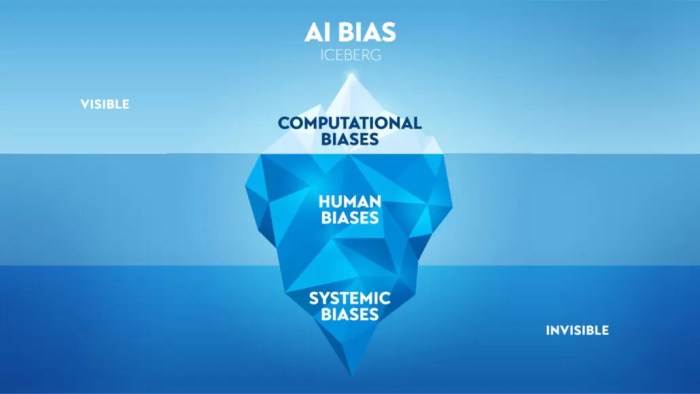
- Bias and Fairness: AI algorithms can inherit biases from the data they are trained on, leading to unfair or discriminatory outcomes. It is crucial to develop and deploy AI systems that are fair, unbiased, and inclusive. For instance, task suggestions and prioritizations should not disproportionately favor certain demographics or exclude others.
- Job Displacement: As AI-powered task management becomes more sophisticated, there is a risk of job displacement, particularly for individuals performing routine administrative tasks. Addressing this challenge requires proactive measures such as retraining programs and policies that support workers in adapting to the changing job market.
Closing Summary
In conclusion, the integration of AI into personal task management presents a significant paradigm shift, offering unprecedented opportunities for enhanced productivity and optimized workflows. By understanding the core functionalities, security protocols, and integration capabilities of these applications, users can make informed decisions and leverage the full potential of AI. As the technology continues to evolve, staying informed about future trends and ethical considerations will be crucial for maximizing the benefits and navigating the challenges associated with this transformative technology.
Clarifying Questions
What is the primary advantage of using an AI-powered task management app?
The primary advantage is enhanced efficiency through automated task prioritization, intelligent scheduling, and personalized recommendations, leading to significant time savings and improved productivity.
How does an AI app handle data privacy and security?
AI apps employ robust data encryption, secure storage practices, and compliance with privacy regulations like GDPR and CCPA to protect user data, ensuring confidentiality and integrity.
Can I customize the task prioritization algorithm?
Yes, most AI task management apps allow users to customize prioritization settings based on factors like due dates, importance levels, and dependencies, tailoring the system to individual needs.
How do AI apps integrate with other productivity tools?
Integrations typically involve APIs, webhooks, and direct connections to platforms like calendars, email clients, and project management tools, enabling seamless data transfer and automated workflows.
What are the potential downsides of relying on AI for task management?
Potential downsides include over-dependence, reduced critical thinking, and the risk of inaccurate task prioritization if the AI model is not properly trained or updated.