Best AI App for Finding Influencers A Comprehensive Analysis
Best AI app for finding influencers for brands is rapidly transforming the landscape of digital marketing. This exploration delves into the essential components that define an effective AI-powered influencer discovery tool. We will analyze the critical features, algorithms, and ethical considerations shaping this innovative technology, providing a clear and concise overview of its impact on brand strategies.
This analysis will dissect the functionalities of AI applications, examining how they integrate with various platforms, manage data privacy, and influence campaign performance. Furthermore, we will explore the future trends and advancements expected to shape the evolution of AI in influencer marketing, offering brands a comprehensive understanding of this dynamic field.
Unveiling the essential criteria for selecting the most effective AI application for influencer discovery is paramount for brand success.
The selection of an AI-powered influencer discovery tool is a critical decision that can significantly impact a brand’s marketing ROI. Choosing the right platform involves a nuanced understanding of core features, data accuracy, and the ability to align with specific brand objectives. This analysis details the essential criteria for evaluating these platforms, ensuring brands make informed choices that optimize their influencer marketing strategies.
Core Features of Effective AI-Powered Influencer Search Tools
An AI application’s effectiveness hinges on its ability to accurately and efficiently identify suitable influencers. Several core features are essential for this process. These features go beyond basic searches and delve into more sophisticated analysis of influencer profiles and audience demographics.
- Advanced Search Filters: Comprehensive search filters are crucial. These filters should include, but not be limited to, demographic data (age, gender, location), audience interests, engagement rates (likes, comments, shares), follower count, and brand affinity. Advanced filters allow brands to narrow down their search and target influencers who align with their specific target audience and brand values.
- Audience Analysis: The ability to analyze an influencer’s audience is paramount. The AI should provide detailed insights into the demographics, interests, and engagement patterns of an influencer’s followers. This analysis helps brands assess whether the influencer’s audience aligns with their target market. For instance, a beauty brand might look for influencers whose followers are predominantly female, aged 18-35, and interested in skincare and makeup.
- Sentiment Analysis: Sentiment analysis gauges the tone and context of an influencer’s content. The AI should be able to determine whether the influencer’s posts and interactions are positive, negative, or neutral. This helps brands avoid influencers who may have a history of negative publicity or who might not align with the brand’s desired image.
- Fraud Detection: Robust fraud detection mechanisms are essential to avoid working with influencers who use bots or other artificial means to inflate their follower counts or engagement rates. The AI should analyze engagement patterns, follower authenticity, and content consistency to identify and flag suspicious activity. This helps protect brands from wasting resources on ineffective campaigns.
- Performance Tracking and Reporting: A comprehensive platform should provide detailed performance tracking and reporting capabilities. This includes tracking campaign performance metrics, such as reach, engagement, click-through rates, and conversions. These metrics enable brands to measure the success of their influencer marketing campaigns and make data-driven decisions for future campaigns.
Comparison of Top AI-Powered Influencer Search Tools
The influencer marketing landscape is populated by several AI-powered tools. A comparative analysis, using a table format, can assist in distinguishing their strengths and weaknesses. The following table provides a comparison of three leading platforms, based on available information, features, pricing, and user reviews. Note that specific pricing and user review details can fluctuate based on current market conditions and user experiences.
| Feature | Tool A | Tool B | Tool C |
|---|---|---|---|
| Search Filters | Extensive demographic, interest, and engagement filters. | Focus on industry-specific filters and content analysis. | Basic filters with limited advanced options. |
| Audience Analysis | In-depth audience demographics, interest graphs, and sentiment analysis. | Audience overlap analysis and competitor audience insights. | Basic audience demographics and limited interest data. |
| Fraud Detection | Advanced fraud detection using AI-powered bot detection and engagement analysis. | Standard fraud detection with some manual verification options. | Limited fraud detection capabilities. |
| Pricing | Subscription-based, tiered pricing based on features and usage. Starts at $X per month. | Custom pricing based on brand needs, typically more expensive. | Free trial with limited features; premium options available at $Y per month. |
| User Reviews | Generally positive, with users praising the accuracy and depth of data. | Mixed reviews; some users report issues with data accuracy. | Mixed reviews; users cite limited features and interface issues. |
Note: The information in this table is based on publicly available data and user reviews as of the current date. Specific features, pricing, and user reviews may vary.
Data Accuracy and Methods for Reliable Influencer Identification
Data accuracy is the cornerstone of effective influencer discovery. AI applications must employ rigorous methods to ensure the reliability of the data they provide, specifically avoiding practices like data scraping. Authentic engagement, genuine followers, and relevant content are critical for successful influencer marketing campaigns.
- API Integrations: Utilizing official APIs (Application Programming Interfaces) of social media platforms (e.g., Instagram, TikTok, YouTube) is essential for accessing authentic data. APIs provide structured, verified information about influencer profiles, follower counts, engagement metrics, and content performance, directly from the source. This eliminates the need for potentially inaccurate or outdated data obtained through scraping.
- Engagement Rate Analysis: Engagement rates (likes, comments, shares) should be analyzed in conjunction with follower counts. High follower counts combined with low engagement rates can indicate inauthentic followers or bot activity. AI algorithms can identify anomalies in engagement patterns, such as sudden spikes in likes or comments, which may signal fraudulent activity.
- Content Analysis: AI should analyze the content of an influencer’s posts, looking for s, hashtags, and topics relevant to the brand’s industry. This ensures that the influencer’s content aligns with the brand’s values and target audience. It is important to look at the consistency and relevance of the content.
- Cross-Platform Data Verification: Cross-referencing data across multiple social media platforms can enhance accuracy. Comparing an influencer’s follower counts, engagement rates, and content on different platforms can help identify inconsistencies or discrepancies that might indicate fraudulent activity.
- Machine Learning Models: AI applications employ machine learning models to identify patterns and predict influencer performance. These models are trained on vast datasets of influencer profiles and campaign results. They learn to identify the characteristics of successful influencers and predict the potential ROI of a campaign. For example, a machine learning model might identify that influencers with a high engagement rate on posts featuring product reviews generate significantly higher conversion rates for a specific brand.
Exploring the sophisticated algorithms that underpin the best AI applications empowers brands to understand their inner workings.
Understanding the algorithmic architecture of AI-powered influencer discovery platforms is crucial for brands seeking to leverage these tools effectively. This knowledge allows for informed decision-making, enabling brands to critically evaluate the platform’s capabilities and limitations, and ultimately, optimize their influencer marketing strategies.
Types of Algorithms Used, Best ai app for finding influencers for brands
AI applications for influencer discovery employ a diverse range of algorithms, primarily rooted in machine learning, to analyze influencer profiles and predict their effectiveness. These algorithms are the engine driving the insights brands receive, and understanding their function is key.
- Machine Learning Models: These models are at the core of most AI-driven influencer platforms. They are trained on vast datasets of influencer profiles, content, and engagement data. Common types include:
- Regression Models: Used to predict continuous variables, such as estimated reach or engagement rate. For example, a linear regression model might predict the expected number of likes on a post based on follower count and average engagement rate.
- Classification Models: Used to categorize influencers, such as classifying them by niche (e.g., fashion, food, travel) or by suitability for a specific brand. Examples include Support Vector Machines (SVMs) and Random Forests.
- Natural Language Processing (NLP) Models: Analyze text data from influencer bios, captions, and comments to understand content style, sentiment, and relevant s.
- Network Analysis Algorithms: These algorithms map and analyze social connections to identify influential individuals and their relationships within specific networks. This helps to uncover influencers who might not have a large follower count but possess high authority within their niche.
- Recommendation Algorithms: Similar to those used by e-commerce platforms, these algorithms suggest influencers based on brand preferences, campaign goals, and audience demographics.
Data Interpretation and Insights
These algorithms interpret a wide array of data points to provide brands with valuable insights into an influencer’s potential. The more data points the AI analyzes, the more accurate the predictions.
- Follower Count: While a primary metric, the algorithm assesses the authenticity of the follower base. Algorithms analyze follower growth patterns, identifying potential bot activity or purchased followers.
- Engagement Rate: This is calculated by dividing the total engagement (likes, comments, shares) by the number of followers or reach. High engagement rates indicate a more active and engaged audience.
- Audience Demographics: The AI analyzes the influencer’s audience to determine their age, gender, location, interests, and other relevant characteristics. This data is compared against the brand’s target audience to assess alignment.
- Content Style and Quality: NLP algorithms analyze the influencer’s content to understand their tone, style, and the topics they cover. This includes assessing the quality of the content, visual aesthetics, and consistency.
- Content Frequency and Posting Times: The algorithm analyzes the frequency of posts and the timing of their publications to understand the influencer’s posting schedule and predict optimal posting times for campaign visibility.
- Past Campaign Performance: If available, the AI will analyze data from previous campaigns the influencer has participated in, including metrics such as reach, engagement, conversions, and ROI.
Hypothetical Scenario: AI Assessment of Influencer Potential
Brand: Luxury Skincare Brand targeting women aged 25-45 in the US. Influencer: “BeautyGuruJane” with 150,000 followers on Instagram. AI Application Analysis:
- Follower Analysis: 85% of followers are women, 28-42 years old, located primarily in the US. The algorithm flags a slight, but acceptable, percentage of suspicious followers (3%).
- Engagement Rate: Average engagement rate of 5.5% across recent posts (above industry average for this follower count).
- Content Style: Focuses on skincare reviews, tutorials, and lifestyle content, aligning with the brand’s values. Uses high-quality visuals and consistently positive language.
- Analysis: Frequently uses s related to skincare, beauty routines, and anti-aging products.
- Past Campaign Performance: Previously collaborated with a similar skincare brand, resulting in a 7% conversion rate (sales) and a 3.8X ROI.
AI Prediction: “BeautyGuruJane” is a HIGH-POTENTIAL influencer for the brand, with an estimated reach of 120,000 users and a projected engagement rate of 5.0-6.0% for the campaign. The AI recommends a campaign focusing on product reviews and tutorials, leveraging the influencer’s expertise and audience alignment. The AI estimates a 6-8% conversion rate based on historical data.
Understanding the ethical considerations surrounding AI-driven influencer marketing promotes responsible practices within the industry.
The integration of Artificial Intelligence (AI) into influencer marketing offers unprecedented opportunities for brands to connect with their target audiences. However, the application of AI also introduces ethical complexities that demand careful consideration. Ensuring responsible AI usage in influencer discovery is not merely a matter of compliance; it is fundamental to building trust with consumers and maintaining the integrity of the brand.
This requires a thorough understanding of potential biases, the implementation of best practices, and a proactive approach to preventing fraud.
Potential Biases in AI Algorithms and Their Impact on Influencer Selection
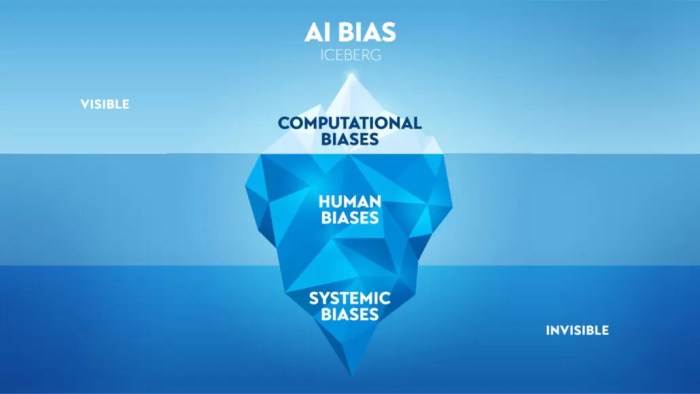
AI algorithms, while powerful, are not immune to biases. These biases can arise from the data used to train the algorithms, the design of the algorithms themselves, or the assumptions made by the developers. Understanding these potential pitfalls is crucial for brands aiming to foster diversity and inclusion in their influencer marketing campaigns.The data used to train AI models often reflects existing societal biases.
For example, if the training data predominantly features influencers from a specific demographic group, the algorithm may inadvertently prioritize similar profiles, leading to underrepresentation of other groups. Furthermore, the selection criteria programmed into the algorithms can also introduce biases. If the algorithm is designed to prioritize engagement metrics, such as likes and comments, it might favor influencers who use specific tactics to boost these metrics, potentially overlooking authentic voices from diverse backgrounds.The impact of these biases can be significant.
Brands that rely on biased AI algorithms may inadvertently exclude talented and relevant influencers from underrepresented groups. This can damage the brand’s reputation, alienate potential customers, and hinder the ability to reach diverse audiences. For instance, an AI algorithm designed to identify fashion influencers might prioritize those with a certain body type or skin tone, neglecting the contributions of plus-size models or influencers of color.
This can result in a homogenous campaign that fails to resonate with a broader consumer base.To mitigate these risks, brands must proactively address potential biases in AI algorithms. This includes using diverse and representative datasets for training, regularly auditing the algorithm’s performance, and incorporating human oversight to ensure fairness and inclusivity. For example, a brand could partner with a third-party AI auditing firm to assess the algorithm’s performance across different demographic groups and identify any disparities in influencer selection.
Best Practices for Brands When Using AI Applications to Find Influencers
Adhering to ethical guidelines and transparency is paramount for brands using AI to discover influencers. Implementing these best practices helps build trust and maintain a positive brand image.
- Transparency in AI Usage: Brands should be transparent about their use of AI in influencer selection. This involves disclosing the use of AI tools in their influencer marketing strategy and providing information about how the tools are used. This transparency builds trust with both the influencers and the target audience. For instance, a brand could include a statement on its website or in its marketing materials explaining that it uses AI to identify potential influencers and the criteria used in the selection process.
- Data Privacy and Security: Brands must prioritize the privacy and security of influencer data. This includes complying with all relevant data protection regulations, such as GDPR and CCPA. They should ensure that data is collected, stored, and used responsibly, obtaining consent from influencers where necessary and implementing robust security measures to protect against data breaches.
- Human Oversight and Review: AI should be used as a tool to assist, not replace, human decision-making. Brands should always include human oversight in the influencer selection process. This involves reviewing the AI’s recommendations and making the final decision based on a comprehensive assessment of the influencer’s authenticity, values, and relevance to the brand.
- Fairness and Non-Discrimination: Brands should actively work to prevent bias and discrimination in their influencer selection process. This involves using diverse datasets, regularly auditing the algorithm’s performance, and ensuring that the selection criteria are fair and inclusive. They should avoid criteria that could lead to discrimination based on factors such as race, gender, age, or sexual orientation.
- Clear and Transparent Contracts: Establish clear and transparent contracts with influencers. These contracts should Artikel the scope of work, compensation, and ethical guidelines. They should also address the use of AI in the campaign and how influencer data will be used.
- Regular Audits and Monitoring: Conduct regular audits of the AI application and influencer marketing campaigns. This involves monitoring the performance of the AI, reviewing the content created by influencers, and gathering feedback from both influencers and consumers. This will help identify any potential ethical issues and allow for course correction.
Types of Influencer Fraud and AI Applications for Detection and Prevention
Influencer fraud, encompassing fake followers and engagement, undermines the integrity of influencer marketing. AI applications play a crucial role in detecting and preventing this type of fraud, ensuring that brands invest in authentic partnerships.Influencer fraud manifests in several forms, each designed to artificially inflate an influencer’s perceived reach and influence:
- Fake Followers: Bots and fake accounts are used to artificially increase the follower count of an influencer. These accounts typically have no genuine engagement and are easily identifiable through their generic profiles and lack of activity.
- Fake Engagement: This involves the use of bots or engagement pods to generate artificial likes, comments, and shares on an influencer’s content. These interactions are often low-quality and lack genuine substance.
- Engagement Rate Manipulation: Some influencers may purchase engagement, such as likes or comments, to inflate their engagement rate. This can give the impression of higher popularity and influence than is actually present.
AI applications utilize several techniques to detect and prevent influencer fraud:
- Anomaly Detection: AI algorithms analyze an influencer’s follower and engagement patterns to identify anomalies. This includes identifying sudden spikes in follower growth, unusual patterns of likes and comments, and engagement rates that are inconsistent with the influencer’s follower count. For instance, an algorithm might flag an influencer if their follower count increases dramatically within a short period, especially if the new followers appear to be bots.
- Bot Detection: AI applications use various techniques to identify bot accounts. This includes analyzing profile characteristics, such as profile pictures, usernames, and bios, as well as tracking activity patterns, such as posting frequency and interaction behavior. These algorithms can identify accounts that exhibit the telltale signs of bot activity, such as posting generic comments or following a large number of accounts.
- Sentiment Analysis: AI can analyze the sentiment of comments to determine if they are genuine or generated by bots. Genuine comments tend to express a range of emotions and opinions, while bot-generated comments are often generic and repetitive.
- Content Analysis: AI analyzes the content posted by influencers to assess its authenticity and relevance. This includes identifying instances of plagiarism, detecting the use of sponsored content that is not properly disclosed, and assessing the quality and originality of the content.
- Cross-Platform Analysis: AI applications can analyze an influencer’s activity across multiple platforms to identify inconsistencies or suspicious behavior. For example, an algorithm might flag an influencer if their engagement rates vary significantly across different social media platforms.
These AI-driven fraud detection methods enable brands to verify the authenticity of influencers and protect their marketing investments. By utilizing these technologies, brands can ensure that they are partnering with genuine influencers who can effectively reach and engage their target audiences.
Examining the integration capabilities of AI influencer search tools is crucial for streamlining brand workflows.

The ability of AI-powered influencer search tools to seamlessly integrate with existing brand workflows is a critical determinant of their overall effectiveness and return on investment. Efficient integration translates to reduced manual effort, improved data accessibility, and ultimately, more successful influencer marketing campaigns. Brands must carefully evaluate the integration capabilities of these tools to ensure they align with their existing technology infrastructure and marketing strategies.
Integration with Social Media Platforms
AI influencer search tools leverage Application Programming Interfaces (APIs) and web scraping techniques to gather data from social media platforms. These methods provide access to influencer profiles, follower counts, engagement rates, content performance, and other relevant metrics.
- Instagram: AI tools often utilize Instagram’s Graph API to access public profile data, including follower counts, engagement metrics (likes, comments, shares), and content performance data. However, the API has limitations, and tools may also employ web scraping to gather additional data, such as the text from captions.
- TikTok: Accessing data from TikTok often involves a combination of the TikTok API (if available) and web scraping. The API can provide data on user profiles and content performance, while web scraping can be used to gather additional information, such as comment analysis and hashtag usage. Due to the rapidly evolving nature of TikTok’s API and platform updates, maintaining robust data access can be challenging.
- YouTube: YouTube’s API, the YouTube Data API, is the primary source of data for AI influencer search tools. This API allows access to channel information, video statistics (views, likes, comments, watch time), and audience demographics. Web scraping may be employed to gather information not readily available through the API, such as channel descriptions or community engagement data.
Integration with CRM and Marketing Automation Platforms
Seamless integration with Customer Relationship Management (CRM) and marketing automation platforms is vital for managing influencer campaigns effectively. This integration allows brands to centralize data, automate workflows, and track campaign performance.
- CRM Integration: Integrating AI influencer search tools with CRM platforms, such as Salesforce or HubSpot, allows brands to store influencer data alongside customer data. This integration enables sales and marketing teams to personalize outreach, track influencer performance, and measure the impact of influencer marketing on sales and customer acquisition.
- Marketing Automation Integration: Integrating with marketing automation platforms, such as Marketo or Pardot, allows brands to automate various aspects of influencer campaigns. This includes automating influencer outreach, content scheduling, performance tracking, and reporting. The automation capabilities can significantly reduce manual effort and improve campaign efficiency.
- Data Synchronization: The core of integration involves data synchronization between the AI tool and the existing platforms. This is often achieved through APIs, webhooks, or data export/import functionalities. The goal is to maintain a unified view of influencer data and campaign performance across all relevant platforms.
Successful Brand Campaigns Utilizing AI-Powered Influencer Discovery
Several brands have successfully leveraged AI-powered influencer discovery, highlighting the impact of seamless integration on campaign effectiveness.
- Example 1: A Fashion Retailer: A fashion retailer integrated an AI influencer search tool with its CRM and marketing automation platform. The AI tool identified micro-influencers with high engagement rates within the target demographic. By automating the outreach process and tracking performance within the CRM, the retailer was able to launch highly targeted campaigns that resulted in a 30% increase in website traffic and a 15% lift in sales attributed to influencer marketing.
- Example 2: A Consumer Electronics Company: A consumer electronics company utilized an AI tool to identify relevant YouTube influencers for product reviews. The tool integrated with the company’s marketing automation platform, enabling automated email outreach and performance tracking. By analyzing video views, watch time, and audience demographics, the company was able to optimize its influencer selection and content strategy, leading to a 20% increase in product awareness and a 10% rise in purchase intent.
- Example 3: A Food and Beverage Brand: A food and beverage brand integrated an AI influencer search tool with its CRM to track influencer performance alongside customer data. The tool helped the brand identify influencers whose audience aligned with the brand’s target demographic. The brand then used the CRM to personalize influencer outreach and track campaign results, leading to a 25% increase in brand mentions and a 10% boost in social media engagement.
Analyzing the cost-effectiveness of various AI applications offers brands financial insights.
Understanding the financial implications of employing AI-powered influencer discovery tools is critical for maximizing the return on investment (ROI) of influencer marketing campaigns. Brands must carefully evaluate the pricing models, features, and data access provided by different AI platforms to determine the most cost-effective solution for their specific needs and budget. This involves a comparative analysis of subscription tiers, usage-based fees, and potential hidden costs to make informed decisions that align with their marketing objectives.
Comparing the Pricing Models of Different AI Influencer Search Tools
The pricing structures of AI-driven influencer search tools vary significantly, encompassing subscription-based models, usage-based fees, and tiered pricing. A thorough understanding of these models is essential for brands to budget effectively and avoid unexpected expenses. Hidden costs, such as data export fees or limitations on the number of searches, must be carefully scrutinized.
- Subscription-Based Models: These models typically offer access to the platform’s features for a fixed monthly or annual fee. Pricing often varies based on the number of users, the number of influencer profiles that can be analyzed, and the extent of data access. Tiered subscriptions often provide different levels of functionality, with higher tiers offering advanced features such as competitor analysis, custom reporting, and dedicated account management.
For example, a basic tier might provide access to a limited database and basic search filters, while a premium tier could include advanced analytics and unlimited data exports.
- Usage-Based Fees: Some platforms charge based on usage, such as the number of influencer searches performed, the number of profiles analyzed, or the volume of data accessed. This model can be advantageous for brands with fluctuating needs, allowing them to pay only for the resources they consume. However, it requires careful monitoring to prevent unexpected costs, particularly if the platform’s pricing structure is not transparent.
For instance, a platform might charge a per-profile analysis fee, making it crucial to estimate the number of profiles required for a campaign before committing to the service.
- Tiered Pricing with Hidden Costs: Many platforms employ tiered pricing models that appear straightforward but may include hidden costs. These can include charges for data exports, API access, advanced analytics reports, or exceeding usage limits. It is vital to carefully review the terms and conditions of each platform to identify these potential expenses. For example, a seemingly affordable subscription might limit the number of data exports per month, leading to additional charges for brands needing comprehensive data analysis.
Identifying Factors Influencing the Return on Investment (ROI) for Influencer Marketing Campaigns Using AI-Powered Tools
The ROI of influencer marketing campaigns is influenced by various factors, and AI-powered tools can significantly impact these elements. Effective utilization of these tools leads to improved campaign performance, driving higher ROI. Several key elements must be considered when evaluating the cost-effectiveness of these tools.
- Influencer Selection Accuracy: The ability of the AI tool to identify relevant and authentic influencers is paramount. Tools that accurately match brands with influencers aligned with their target audience and brand values contribute to higher engagement rates and conversion rates. The more precise the match, the greater the likelihood of a successful campaign.
- Campaign Efficiency: AI tools can automate tasks, such as influencer discovery, outreach, and performance tracking, leading to significant time savings and operational efficiency. This efficiency translates into reduced labor costs and faster campaign execution, contributing to a higher ROI. Automation reduces the time spent on manual tasks, allowing marketers to focus on strategy and creative content development.
- Data-Driven Insights: AI-powered tools provide valuable data insights into influencer performance, audience demographics, and campaign effectiveness. This data allows brands to optimize their campaigns in real-time, making data-driven decisions that enhance ROI. Analyzing metrics such as engagement rates, reach, and conversion rates helps refine strategies and allocate resources effectively.
- Negotiation and Cost Optimization: Some AI tools offer features that assist in negotiating rates with influencers, helping brands secure favorable pricing. The ability to compare influencer pricing and identify influencers offering the best value for their reach and engagement is critical for cost optimization. Efficient negotiation contributes to the overall cost-effectiveness of the campaign.
- Fraud Detection and Brand Safety: AI tools can identify fraudulent activities, such as fake followers and bot engagement, which can undermine campaign performance and damage brand reputation. By detecting and mitigating fraud, AI tools ensure that brands invest in authentic influencers, leading to a higher ROI.
Comparative Table of Pricing Models, Features, and Value
The following table provides a comparative overview of different AI influencer search tools, their pricing models, features, and the value they offer. The information presented is based on general market observations and publicly available data, as specific pricing and features are subject to change by each platform.
| AI Influencer Search Tool | Pricing Model | Key Features | Data Access | Value Proposition |
|---|---|---|---|---|
| Tool A | Subscription-Based (Tiered: Basic, Pro, Enterprise) | Influencer Discovery, Performance Analytics, Competitor Analysis, Outreach Management | Influencer Profiles, Engagement Metrics, Audience Demographics | Comprehensive Influencer Marketing Solution with robust analytics, suited for brands with large budgets and complex campaign needs. |
| Tool B | Usage-Based (Per Search, Per Profile Analysis) | Influencer Search, Audience Insights, Fraud Detection | Influencer Profiles, Engagement Data, Audience Interests | Cost-effective for brands with fluctuating needs or specific campaign goals. Offers flexible pricing based on usage. |
| Tool C | Subscription-Based (Monthly/Annual) | Influencer Search, Reporting, Campaign Tracking | Influencer Profiles, Engagement Rates, Reach | User-friendly interface and basic features, suitable for smaller brands and those new to influencer marketing. |
| Tool D | Hybrid (Subscription + Usage Fees) | Influencer Discovery, Performance Monitoring, CRM Integration | Influencer Profiles, Audience Data, Social Media Performance | Combines the benefits of subscription access with flexible usage options, ideal for brands needing scalability. |
Investigating the user experience of AI-driven influencer search platforms enables informed decision-making for brand marketers.: Best Ai App For Finding Influencers For Brands
Understanding the user experience (UX) of AI-driven influencer search platforms is critical for brands aiming to optimize their influencer marketing campaigns. A well-designed platform can significantly enhance efficiency and effectiveness, while a poorly designed one can lead to frustration, wasted time, and ultimately, suboptimal campaign results. This section delves into the key aspects of UX, focusing on interface, personalized recommendations, and support resources.
Interface and User-Friendliness
The interface of an AI-driven influencer search platform is the primary point of interaction for users. A clear, intuitive, and user-friendly interface is essential for efficient operation.
- Interface Design: The visual design should be clean and uncluttered, with a logical layout that facilitates easy navigation. Key features, such as search bars, filters, and data visualization tools, should be readily accessible. For example, a platform might use a dashboard that presents key metrics and insights at a glance, allowing users to quickly assess influencer performance and campaign progress.
- Ease of Searching: The search functionality should be robust and flexible, allowing users to search by various criteria, including s, hashtags, demographics, and engagement metrics. Predictive search and auto-suggestions can further enhance the user experience by helping users refine their search queries. For instance, a brand targeting the fitness niche could type “yoga” into the search bar, and the platform could suggest related s like “pilates,” “meditation,” or “healthy lifestyle.”
- Filtering Capabilities: Comprehensive filtering options are crucial for narrowing down search results and identifying the most relevant influencers. Filters should cover a wide range of criteria, such as audience demographics (age, location, interests), engagement rates (likes, comments, shares), follower count, and content type. A brand seeking influencers in the beauty industry might use filters to select influencers with a high engagement rate, a predominantly female audience aged 18-35, and a focus on skincare products.
- Data Visualization: Effective data visualization tools, such as charts and graphs, can help users quickly understand complex data and identify trends. Platforms should offer customizable dashboards that allow users to track key performance indicators (KPIs) relevant to their specific goals. For instance, a platform could display a line graph showing the historical engagement rate of an influencer, allowing brands to assess the consistency and authenticity of their audience interactions.
Personalized Recommendations and Insights
AI-driven platforms excel at providing personalized recommendations and insights that go beyond basic search functionality. These recommendations are based on a brand’s specific needs, objectives, and historical data.
- AI-Powered Recommendations: The platform should utilize AI algorithms to suggest influencers that align with a brand’s target audience, brand values, and campaign goals. These recommendations can be based on various factors, including content analysis, audience demographics, and engagement patterns. For example, a fashion brand launching a new clothing line might receive recommendations for influencers who frequently post about similar styles, have a high engagement rate, and whose audience aligns with the brand’s target demographic.
- Contextual Analysis: The AI should be able to analyze the context of influencer content to ensure alignment with the brand’s messaging and values. This includes analyzing the tone, style, and subject matter of the influencer’s posts. If a brand is promoting a product related to sustainability, the platform should recommend influencers who frequently discuss environmental issues and promote eco-friendly practices.
- Performance Prediction: Some platforms can predict the potential performance of an influencer campaign based on historical data and campaign simulations. This can help brands make informed decisions about influencer selection and campaign planning. For instance, the platform might predict the potential reach, engagement, and conversion rates of a campaign based on the influencer’s audience size, engagement rate, and the type of content they create.
- Competitor Analysis: AI can analyze the influencer marketing strategies of competitors, providing insights into which influencers are being used, the types of content being created, and the overall performance of these campaigns. This information allows brands to identify opportunities and avoid potential pitfalls. For example, a platform could reveal that a competitor is successfully using a particular influencer to promote a similar product, allowing the brand to consider a similar approach.
Support and Resources
Providing adequate support and resources is crucial for ensuring that users can effectively utilize the AI-driven influencer search platform.
- Tutorials and Onboarding: Comprehensive tutorials and onboarding guides should be available to help new users understand the platform’s features and functionalities. These resources should cover topics such as searching, filtering, data analysis, and campaign management. For example, a video tutorial might walk users through the process of setting up a campaign, searching for influencers, and analyzing their performance.
- Customer Service: Responsive and helpful customer service is essential for addressing user queries and resolving technical issues. Support channels should include email, phone, and live chat. Brands should provide a clear and easy-to-find contact page on their website or within the application.
- Knowledge Base and FAQs: A comprehensive knowledge base and frequently asked questions (FAQs) section should provide answers to common questions and address technical issues. This resource should be easily searchable and updated regularly.
- Community Forums: Some platforms offer community forums where users can share tips, ask questions, and interact with other users. This can foster a sense of community and provide valuable insights.
- Integration with Other Tools: The platform should integrate with other marketing tools, such as social media management platforms, CRM systems, and analytics dashboards, to streamline workflows and provide a more holistic view of campaign performance.
Exploring the future trends and advancements in AI for influencer discovery gives a glimpse into the evolving landscape.
The landscape of influencer marketing is in a constant state of flux, driven by technological advancements and evolving consumer behavior. Artificial intelligence is at the forefront of this transformation, with emerging technologies poised to revolutionize how brands discover, engage with, and measure the impact of influencers. Understanding these future trends is crucial for brands seeking to maintain a competitive edge and optimize their influencer marketing strategies.
Emerging Technologies and Their Influence
The integration of augmented reality (AR) and virtual reality (VR) with influencer marketing is set to create immersive and interactive experiences, significantly altering how audiences engage with branded content. These technologies, coupled with AI, will enable more personalized and engaging campaigns.
- Augmented Reality (AR): AR overlays digital content onto the real world, allowing influencers to create interactive experiences within their content.
- Virtual Reality (VR): VR creates entirely immersive digital environments.
- AI Integration: AI algorithms will play a pivotal role in the success of AR/VR influencer campaigns.
For example, a fashion influencer could showcase a new clothing line, allowing viewers to virtually “try on” the clothes using their smartphone cameras. AI can personalize these AR experiences, tailoring product recommendations and interactive elements based on individual user preferences and data gathered from their online behavior. This convergence provides an unparalleled level of interaction, where the user becomes an active participant in the brand narrative.
Influencers can host virtual events, product demonstrations, or create interactive storytelling experiences. Imagine a travel influencer taking their audience on a virtual tour of a resort or a beauty influencer providing a virtual makeup tutorial. AI can enhance VR experiences by providing personalized avatars, dynamic content generation, and real-time interaction tracking. The creation of such environments allows for deeper engagement and a more memorable brand experience, potentially leading to higher conversion rates.
AI will analyze user behavior within these immersive environments, optimizing content delivery, personalizing user interactions, and providing detailed performance analytics. This data-driven approach allows for continuous improvement and a more efficient allocation of marketing resources. Furthermore, AI will be essential in creating realistic and responsive virtual influencers, capable of engaging with audiences in dynamic and personalized ways.
Potential Impact of AI on Influencer Marketing
AI’s influence extends far beyond AR and VR, reshaping core aspects of influencer marketing. From content creation to audience targeting, AI is enhancing efficiency, effectiveness, and personalization.
- Personalized Content Creation: AI-powered tools will analyze audience preferences, sentiment, and engagement patterns to generate highly targeted content recommendations.
- Predictive Analytics: AI algorithms will predict the performance of influencer campaigns before they launch.
- Enhanced Audience Targeting: AI will refine audience segmentation and targeting capabilities.
This includes suggesting optimal content formats (videos, images, stories), writing compelling captions, and identifying relevant trending topics. AI can also assist influencers in generating variations of content to A/B test different approaches and maximize engagement. By automating these tasks, AI allows influencers to focus on creativity and authentic storytelling, increasing the likelihood of resonating with their target audiences.
By analyzing historical data, social media trends, and influencer profiles, AI can forecast reach, engagement rates, and potential ROI. This enables brands to make data-driven decisions about influencer selection, content strategy, and campaign budgeting. Furthermore, predictive analytics can help identify potential risks, such as declining engagement or negative sentiment, allowing for proactive adjustments to mitigate any negative impact.
AI can analyze vast datasets of user data, including demographics, interests, online behavior, and social media activity, to identify the most relevant audience segments for a brand’s products or services. This enables highly targeted influencer campaigns that reach the right people with the right message at the right time. AI-powered tools can also identify look-alike audiences, expanding the reach of campaigns to new potential customers with similar characteristics to the existing target audience.
AI Application Evolution: A Five-Year Projection
Over the next five years, AI-driven influencer discovery platforms will undergo significant evolution, integrating new features and functionalities to enhance their capabilities.
Consider a hypothetical AI application, “Influencer Insights Pro,” designed to streamline influencer marketing for brands. Here’s how it might evolve:
Year 1: The platform currently offers basic influencer discovery based on s, demographics, and engagement metrics. It analyzes influencer profiles, providing insights into audience demographics and engagement rates. The system offers campaign performance tracking and basic reporting capabilities. Integration with major social media platforms is already established.
Year 2: “Influencer Insights Pro” integrates advanced sentiment analysis, identifying the emotional tone of influencer content and audience reactions. The platform introduces predictive analytics to forecast campaign performance based on influencer selection and content strategy. The system begins to incorporate automated content suggestions and A/B testing recommendations. The user interface is enhanced with improved visualization tools and customized dashboards.
Year 3: The platform expands its capabilities with image and video recognition, allowing users to search for influencers based on visual content and style. It introduces AI-powered content creation tools, assisting influencers with generating captions and optimizing video scripts. The platform begins to incorporate blockchain technology for enhanced transparency and authenticity verification. Data privacy and ethical considerations become a central focus, with robust privacy settings and data governance features.
Year 4: “Influencer Insights Pro” integrates AR and VR capabilities, enabling brands to create immersive experiences for their campaigns. The platform offers personalized recommendations for AR/VR content creation and provides analytics on user engagement within these environments. The platform integrates with e-commerce platforms, enabling seamless product integration and conversion tracking. It begins to incorporate voice search capabilities, allowing users to search for influencers and analyze campaign performance using voice commands.
Year 5: The platform incorporates advanced AI-driven personalization, adapting content recommendations and user interfaces based on individual user preferences and behaviors. It offers real-time influencer performance optimization, adjusting campaign strategies based on live data and feedback. The platform develops a fully integrated, end-to-end solution for influencer marketing, covering every stage from discovery and campaign planning to execution and reporting. The application’s core architecture becomes modular and adaptable, allowing for easy integration with new technologies and emerging platforms.
The platform will also include advanced ethical considerations, incorporating features to detect and prevent fraud, promote responsible influencer marketing practices, and ensure data privacy compliance.
Evaluating the data privacy and security measures of AI influencer search applications ensures responsible usage and compliance.
Data privacy and security are critical considerations when utilizing AI-driven influencer search applications. Brands must prioritize these aspects to protect user data, comply with regulations, and maintain consumer trust. A comprehensive evaluation of data handling practices is essential for responsible AI implementation.
Data Privacy Policies and Compliance Standards
AI influencer search applications are governed by various data privacy regulations, which dictate how user data is collected, processed, and stored. Understanding these regulations is crucial for ensuring compliance.Data privacy policies and compliance standards that AI applications adhere to include:
- General Data Protection Regulation (GDPR): GDPR, enacted by the European Union, sets stringent rules regarding the processing of personal data of individuals within the EU. This includes obtaining explicit consent for data collection, providing users with the right to access, rectify, and erase their data (the “right to be forgotten”), and implementing data minimization practices. Failure to comply can result in significant fines.
An example of a brand complying with GDPR is a fashion retailer using an AI influencer platform. The platform must provide users with transparent information about the data collected, its purpose, and the rights of individuals. The platform must also secure explicit consent from influencers before collecting or processing their personal data.
- California Consumer Privacy Act (CCPA) / California Privacy Rights Act (CPRA): CCPA, applicable to businesses that collect personal information of California residents, grants consumers the right to know what personal information is being collected, the right to request deletion of their personal information, and the right to opt-out of the sale of their personal information. CPRA expands these rights and creates the California Privacy Protection Agency to enforce the law.
An example of a company adhering to CCPA is a cosmetics brand using an AI influencer discovery tool. The tool must provide California residents with a clear privacy notice detailing the types of personal data collected (e.g., social media profiles, engagement metrics), the purposes of data processing (e.g., influencer identification), and the right to opt-out of the sale of personal data.
- Other Regional and International Regulations: Depending on the geographic scope of the AI application and the brands using it, other relevant regulations may include the Brazilian General Data Protection Law (LGPD), the Personal Information Protection and Electronic Documents Act (PIPEDA) in Canada, and the Australian Privacy Principles (APPs). These regulations often share common principles with GDPR and CCPA, such as data minimization, purpose limitation, and the right to access and control personal data.
- Industry-Specific Regulations: In addition to general data privacy laws, AI applications might be subject to industry-specific regulations. For instance, in the healthcare sector, applications dealing with health data must comply with the Health Insurance Portability and Accountability Act (HIPAA) in the United States, which sets standards for protecting sensitive patient information.
Security Measures for Data Protection
Robust security measures are essential to safeguard user data from unauthorized access, breaches, and misuse. AI influencer search applications should implement multiple layers of security to protect sensitive information.Security measures that these applications implement to protect user data include:
- Data Encryption: Encryption transforms data into an unreadable format, protecting it from unauthorized access. AI applications should encrypt data both in transit (during transmission) and at rest (when stored). This can involve using strong encryption algorithms, such as Advanced Encryption Standard (AES) with a key length of 256 bits, to protect sensitive information like user credentials, influencer profiles, and engagement data.
For example, when an influencer’s data is stored in a database, it should be encrypted to prevent unauthorized access even if the database is compromised.
- Access Controls: Access controls limit who can access specific data and functionalities within the application. This involves implementing role-based access control (RBAC), where users are granted permissions based on their roles (e.g., administrator, marketing manager, data analyst). This principle of least privilege ensures that users only have access to the data and functionalities necessary for their tasks.
- Regular Security Audits and Penetration Testing: Conducting regular security audits and penetration testing helps identify vulnerabilities in the application’s security infrastructure. These audits should be performed by independent security experts who can assess the application’s security posture, identify potential weaknesses, and recommend remediation measures. For example, a penetration test might simulate a cyberattack to identify vulnerabilities that could be exploited by malicious actors.
- Multi-Factor Authentication (MFA): MFA adds an extra layer of security by requiring users to provide multiple forms of verification (e.g., password and a code from a mobile device) before accessing the application. This makes it significantly harder for unauthorized users to gain access, even if their password is compromised.
- Secure Data Storage: Data should be stored securely, using methods such as secure servers, firewalls, and intrusion detection systems. Regular backups should be performed to ensure data can be recovered in case of a system failure or data breach.
- Data Anonymization and Pseudonymization: Anonymization involves removing or modifying personal data to prevent the identification of individuals. Pseudonymization replaces personal identifiers with pseudonyms, making it more difficult to link data back to specific individuals. These techniques can be used to protect user privacy while still allowing for data analysis and research.
Steps for Responsible AI Application Usage
Brands must take proactive steps to ensure responsible use of AI applications for influencer discovery, aligning with data privacy regulations and ethical considerations. This involves a multi-faceted approach.Steps brands should take to ensure they are using AI applications responsibly and in compliance with all relevant data privacy regulations include:
- Conducting Due Diligence: Before selecting an AI influencer search application, brands should conduct thorough due diligence to assess its data privacy and security practices. This includes reviewing the application’s privacy policy, understanding its data handling procedures, and verifying its compliance with relevant regulations (e.g., GDPR, CCPA). Brands should inquire about the application’s security measures, such as encryption, access controls, and data storage practices.
- Obtaining Informed Consent: Brands must ensure they have obtained informed consent from influencers before collecting and processing their personal data. This involves providing clear and transparent information about the data being collected, the purposes for which it will be used, and the rights of the influencers. Consent should be freely given, specific, informed, and unambiguous.
- Data Minimization: Brands should only collect and process the minimum amount of data necessary for the intended purpose. Avoid collecting unnecessary data that could compromise user privacy. Regularly review the data being collected and delete any data that is no longer needed.
- Transparency and Explainability: Brands should strive to be transparent about how AI applications are used for influencer discovery. This includes providing clear explanations of the algorithms and data used to identify and evaluate influencers. Transparency builds trust with influencers and consumers.
- Regular Monitoring and Auditing: Implement a system for regularly monitoring and auditing the AI application’s data privacy and security practices. This includes reviewing the application’s compliance with data privacy regulations, assessing its security measures, and identifying any potential risks. Conduct regular security audits and penetration testing to identify vulnerabilities and ensure the application’s security posture.
- Training and Education: Provide training and education to employees on data privacy and security best practices. Ensure that employees understand their responsibilities regarding data handling and compliance with relevant regulations.
- Establishing Data Breach Response Plans: Develop a comprehensive data breach response plan that Artikels the steps to be taken in the event of a data breach. This plan should include procedures for notifying affected individuals, reporting the breach to regulatory authorities, and mitigating the damage.
- Contractual Agreements: Include data privacy and security provisions in contractual agreements with AI application providers. These provisions should specify the provider’s obligations regarding data handling, security measures, and compliance with data privacy regulations.
Demonstrating the impact of AI applications on campaign performance requires brands to understand key metrics.
Understanding the influence of AI in influencer marketing necessitates a rigorous assessment of campaign performance. Brands must move beyond vanity metrics and focus on data-driven insights to determine the true effectiveness of their collaborations. This involves establishing clear Key Performance Indicators (KPIs) and leveraging AI’s analytical capabilities to track, analyze, and optimize campaign strategies.
Key Metrics for Measuring Influencer Marketing Effectiveness
To accurately gauge the success of influencer marketing campaigns, brands should prioritize a comprehensive suite of metrics. These metrics, when analyzed in conjunction, provide a holistic view of campaign performance, enabling data-driven decision-making and continuous improvement.
- Engagement Rate: This metric measures the level of interaction users have with the influencer’s content. It is calculated as the total number of engagements (likes, comments, shares, saves) divided by the reach or impressions of the content, expressed as a percentage. A high engagement rate indicates that the content resonates with the target audience and is effectively capturing their attention.
For instance, a campaign on Instagram might aim for an engagement rate above the platform average for similar content.
- Reach: Reach represents the total number of unique users who have viewed the influencer’s content. It provides insight into the potential audience exposure of the campaign. Tracking reach helps determine the broadness of the campaign’s impact. AI applications can help identify the overlap in reach between multiple influencers, optimizing for maximum exposure while minimizing redundant impressions.
- Impressions: Impressions refer to the total number of times the influencer’s content was displayed, regardless of whether it was viewed by unique users. Unlike reach, impressions account for multiple views by the same user. AI applications can analyze impression data to identify optimal posting times and content formats that maximize content visibility.
- Website Traffic: This metric tracks the number of visitors directed to the brand’s website from the influencer’s content. It’s a crucial indicator of the campaign’s ability to drive traffic and generate interest in the brand’s products or services. AI can help monitor traffic sources and identify which influencers are most effective at driving conversions.
- Conversions: Conversions measure the number of users who complete a desired action, such as making a purchase, signing up for a newsletter, or downloading an app, directly attributable to the influencer campaign. This is a critical metric for assessing the campaign’s ROI. AI can attribute conversions to specific influencers, enabling brands to optimize their collaborations based on performance.
- Click-Through Rate (CTR): CTR measures the percentage of users who click on a link within the influencer’s content, such as a product link or a call-to-action button. A high CTR suggests that the content is compelling and effectively drives users to the desired destination. AI tools can analyze CTR data to identify the most effective call-to-actions and content formats.
- Cost Per Acquisition (CPA): CPA calculates the cost of acquiring a customer through the influencer campaign. It is calculated by dividing the total campaign cost by the number of conversions. Monitoring CPA helps brands evaluate the cost-effectiveness of their influencer marketing efforts.
- Return on Investment (ROI): ROI measures the profitability of the campaign by comparing the revenue generated to the total investment. This is a crucial metric for justifying the campaign’s budget and demonstrating its overall value.
How AI Applications Enhance Metric Tracking and Analysis
AI applications revolutionize the way brands track and analyze influencer marketing metrics. These tools automate data collection, provide real-time insights, and offer predictive analytics, leading to more effective campaign strategies.
- Automated Data Collection: AI-powered platforms automate the collection of data from various sources, including social media platforms, website analytics, and CRM systems. This eliminates the need for manual data entry and ensures data accuracy.
- Real-Time Monitoring and Reporting: AI applications provide real-time dashboards that display key metrics, allowing brands to monitor campaign performance in real-time. This enables quick adjustments to the campaign strategy if needed.
- Sentiment Analysis: AI algorithms analyze the sentiment expressed in comments and mentions related to the campaign. This helps brands understand how the audience perceives the influencer’s content and the brand itself. Sentiment analysis can identify positive, negative, or neutral sentiment.
- Predictive Analytics: AI can predict future campaign performance based on historical data and trends. This allows brands to anticipate outcomes, optimize their campaigns, and make informed decisions about future influencer collaborations.
- Attribution Modeling: AI-powered attribution models help brands accurately attribute conversions to specific influencers and content, providing a clearer understanding of ROI. These models can consider multiple touchpoints and interactions.
- Influencer Performance Benchmarking: AI tools enable brands to benchmark influencer performance against industry averages and competitors. This allows brands to assess the relative effectiveness of their collaborations.
Campaign Scenarios and AI-Driven Improvements
AI applications can significantly improve the outcomes of influencer marketing campaigns across various scenarios. These improvements are achieved through data-driven insights and strategic optimizations.
- Scenario 1: Product Launch Campaign
- Challenge: A brand launches a new skincare product and wants to create awareness and drive sales.
- AI Application: The AI tool identifies influencers with high engagement rates and a relevant audience interested in skincare. The AI also analyzes past campaign data to predict which influencers are most likely to drive conversions.
- Improvements: The AI optimizes the selection of influencers, recommends the best content formats, and identifies the optimal posting times. The AI tracks website traffic, conversions, and ROI, providing real-time feedback and enabling quick adjustments to the campaign strategy.
- Success Factors: Selecting influencers with a strong alignment to the brand and audience. Creating engaging content that showcases the product’s benefits. Monitoring website traffic and conversions.
- Risk Mitigation: Thoroughly vetting influencers to ensure authenticity and avoid fake followers. Monitoring sentiment analysis to address any negative feedback.
- Scenario 2: Brand Awareness Campaign
- Challenge: A clothing brand aims to increase brand awareness and reach a wider audience.
- AI Application: The AI tool identifies influencers with a high reach and a strong brand affinity. It analyzes the influencers’ audience demographics and interests to ensure alignment with the brand’s target market.
- Improvements: The AI recommends content strategies that maximize reach and engagement. The AI tracks impressions, reach, and engagement rates, providing data to optimize content and influencer selection.
- Success Factors: Selecting influencers who create authentic and engaging content. Ensuring the content aligns with the brand’s values and message. Monitoring reach and engagement rates.
- Risk Mitigation: Carefully reviewing influencer content before publication to ensure brand consistency. Monitoring for negative sentiment and addressing any concerns promptly.
- Scenario 3: Lead Generation Campaign
- Challenge: A software company wants to generate leads and drive sign-ups for its product.
- AI Application: The AI tool identifies influencers with a strong track record of driving conversions. The AI recommends the use of specific calls to action (CTAs) and tracks click-through rates (CTRs) to optimize the campaign.
- Improvements: The AI identifies the most effective CTAs and content formats. The AI tracks website traffic, conversions, and cost per acquisition (CPA), providing data to optimize the campaign and maximize ROI.
- Success Factors: Selecting influencers who can effectively communicate the product’s value proposition. Creating clear and compelling CTAs. Tracking conversions and CPA.
- Risk Mitigation: Ensuring that the influencers understand the product and can accurately represent its features and benefits. Monitoring for fraudulent activities or fake sign-ups.
- Scenario 4: Sales-Driven Campaign
- Challenge: An e-commerce business aims to drive sales during a promotional period.
- AI Application: The AI identifies influencers with a history of driving sales and recommends the use of discount codes or affiliate links. The AI tracks the revenue generated by each influencer, allowing for precise ROI calculations.
- Improvements: The AI identifies the most effective promotional strategies. The AI tracks sales, revenue, and ROI, providing data to optimize the campaign and maximize sales.
- Success Factors: Selecting influencers with a loyal audience. Offering attractive promotions and discount codes. Tracking sales and revenue.
- Risk Mitigation: Verifying that the influencers are using the discount codes or affiliate links correctly. Monitoring for any potential fraud or misuse of promotions.
Concluding Remarks
In conclusion, the best AI app for finding influencers for brands represents a pivotal advancement in marketing, offering unprecedented efficiency and data-driven insights. By understanding the core principles, ethical considerations, and future trends, brands can leverage these tools to enhance their influencer marketing strategies, improve campaign ROI, and navigate the evolving digital landscape with greater precision and success.
FAQ Summary
How does an AI app determine an influencer’s authenticity?
AI apps use advanced algorithms to analyze various factors, including follower demographics, engagement rates, content quality, and historical activity, to detect anomalies indicative of fake followers or engagement. They also often cross-reference data from multiple sources to verify authenticity.
What are the main advantages of using AI for influencer discovery?
AI offers several advantages, including faster influencer identification, improved targeting accuracy, enhanced data analysis, and the ability to scale influencer marketing efforts efficiently. This leads to more effective campaigns and better ROI.
How do AI tools ensure data privacy and security?
AI tools typically adhere to data privacy regulations like GDPR and CCPA. They employ encryption, access controls, and regular audits to protect user data. Brands should also review the platform’s privacy policies to ensure compliance.
Can AI replace human judgment in influencer selection?
While AI provides valuable insights, it’s best used to augment human judgment. Brands should still use their understanding of their target audience and brand values to make final influencer selections, ensuring the best fit for their campaigns.