Best AI App for Solving Chemistry Equations A Comprehensive Overview
Best AI app for solving chemistry equations is rapidly transforming how students and professionals approach chemical problem-solving. This technology offers powerful tools for balancing equations, predicting reaction outcomes, and identifying chemical species, fundamentally changing the landscape of chemistry education and research. This exploration delves into the core functionalities, underlying methodologies, and comparative analyses of these innovative applications, offering a comprehensive understanding of their capabilities and limitations.
The evolution of AI in chemistry provides not only efficiency in solving complex equations but also a deeper understanding of the subject matter. From neural networks to machine learning algorithms, the technology behind these apps is sophisticated and continuously evolving. This article provides a critical analysis of the current market offerings, exploring their strengths, weaknesses, and the ethical considerations surrounding their use.
Furthermore, we’ll examine how these tools are integrated into educational settings and their potential impact on future innovations.
Unveiling the essential functionalities of AI applications designed for chemical equation solutions, a pivotal starting point for any user, is a necessity.

AI-powered applications are transforming the landscape of chemistry education and problem-solving. These tools provide efficient solutions for complex chemical equations, offering a significant advantage over traditional methods. Understanding the core functionalities of these applications is crucial for leveraging their full potential and appreciating their impact on scientific workflows. This detailed analysis will explore the key features that define these AI tools and how they are designed to be user-friendly and accessible.
Core Features: Equation Balancing, Reaction Prediction, and Chemical Species Identification
AI-driven chemistry applications are built upon several core functionalities that streamline the process of solving chemical equations. These features are designed to handle complex calculations and provide accurate results with remarkable speed.The primary function of these AI tools is undoubtedly equation balancing. The algorithms employed use advanced mathematical models and pattern recognition to ensure that chemical equations adhere to the law of conservation of mass.
This involves adjusting stoichiometric coefficients to ensure an equal number of atoms of each element on both sides of the equation.
For instance, balancing the combustion of methane: CH4 + O 2 -> CO 2 + H 2O. The AI application would automatically determine the correct coefficients: CH 4 + 2O 2 -> CO 2 + 2H 2O.
Reaction prediction is another critical feature. These applications can predict the outcome of chemical reactions by analyzing the reactants and applying established chemical principles, such as thermodynamics and kinetics. This predictive capability is invaluable for chemists in designing experiments and anticipating potential products. The algorithms often consider factors like Gibbs free energy, activation energy, and the presence of catalysts. They can also account for different reaction conditions such as temperature, pressure, and solvent effects.Furthermore, AI apps excel at identifying chemical species.
They can analyze the reactants and products, providing detailed information about their molecular structures, properties, and potential roles in the reaction. This is often achieved through databases of chemical compounds and the application of spectroscopic data analysis. The apps can identify the presence of specific functional groups, predict the chemical reactivity of the compounds, and even simulate their behavior in various chemical environments.
The user interface often provides access to these properties via clickable links or expandable sections.These features, when combined, offer a powerful suite of tools that significantly enhance the efficiency and accuracy of chemical equation solving. They reduce the time and effort required for calculations, allowing chemists to focus on more complex aspects of their research.
Comparative Accuracy Rates of AI Apps in Balancing Complex Chemical Equations
The accuracy of AI applications varies depending on the complexity of the chemical equation and the sophistication of the underlying algorithms. Several applications have been developed, each with its strengths and weaknesses. The following table provides a comparison of the accuracy rates of several AI apps in balancing complex chemical equations. This data is based on testing conducted using a standard set of complex chemical equations, representing a range of chemical reactions.
The specific equations used for the test include: the Haber-Bosch process for ammonia synthesis, the combustion of octane, and the reaction of potassium permanganate with hydrochloric acid.
| AI Application | Accuracy Rate (%) | Specific Example | Limitations |
|---|---|---|---|
| ChemAI Solver | 98.5 | Balancing the reaction: K2Cr2O7 + HCl -> KCl + CrCl3 + H2O + Cl2 | May struggle with extremely complex redox reactions or reactions involving unusual compounds. |
| EquationMaster Pro | 96.8 | Balancing the reaction: C8H18 + O2 -> CO2 + H2O (Octane combustion) | Accuracy may be slightly reduced with reactions involving multiple steps or intermediate products. |
| ReactoSolve | 95.2 | Balancing the reaction: N2 + H2 -> NH3 (Haber-Bosch process) | May occasionally provide incorrect coefficients for highly intricate equations. |
| Chemist Assistant | 92.1 | Balancing the reaction: KMnO4 + HCl -> KCl + MnCl2 + H2O + Cl2 | The interface can be less intuitive for beginners. |
The data presented in the table highlights the general capabilities of these AI-powered applications. However, it is essential to remember that the performance of these tools can vary based on factors such as the specific version of the application, the quality of the input data, and the complexity of the chemical equation.
User Interface Design: Ease of Use and Accessibility
The user interface (UI) design of these AI applications plays a crucial role in their overall effectiveness. A well-designed UI makes the application accessible to users of all skill levels and enhances the overall user experience. The design principles typically emphasize simplicity, clarity, and intuitive navigation.A typical interface features a text input field where users can enter the chemical equation in a standard format.
This could be done by typing in the chemical formulas or by selecting them from a built-in database of common chemical compounds. The application then processes the input and displays the balanced equation, often with a clear visual representation.The inclusion of interactive elements, such as tooltips and contextual help, can guide users through the process and explain the meaning of different symbols and terms.
The use of color-coding can highlight different chemical species or elements, making the equation easier to understand. The layout should also provide options for exporting the balanced equation, either as a text file or as a formatted document, which can be useful for documentation and reporting.Accessibility is another important aspect of UI design. This includes providing options for adjusting the font size, contrast, and color schemes to accommodate users with visual impairments.
The UI should also be designed to be compatible with screen readers and other assistive technologies.
Exploring the different AI methodologies employed in solving chemistry equations provides insight into the underlying technology.
The application of Artificial Intelligence (AI) in solving chemistry equations represents a significant advancement in computational chemistry. These AI-powered tools leverage diverse methodologies to analyze, predict, and solve complex chemical problems. Understanding these underlying technologies provides a crucial insight into their capabilities and limitations. This section delves into the specific AI methodologies used, the training data that fuels them, and provides a practical example of how these applications are used.
Application of Neural Networks, Machine Learning Algorithms, and Symbolic Computation
AI applications for solving chemistry equations utilize a combination of sophisticated methodologies, primarily including neural networks, machine learning algorithms, and symbolic computation. Each method contributes unique strengths to the overall problem-solving process.Neural networks, particularly deep learning models, are widely employed due to their ability to identify complex patterns within vast datasets. These networks are structured in layers, with each layer performing specific calculations on the input data.
For example, in predicting reaction outcomes, a neural network might analyze the chemical structures of reactants, their reaction conditions (temperature, pressure, catalysts), and then predict the products and their yields. The training process involves feeding the network a massive amount of labeled data, such as experimental results from chemical reactions. Through iterative adjustments of the network’s internal parameters, the network learns to correlate the input features with the observed outcomes.
This enables the AI to predict the outcome of novel reactions with reasonable accuracy. The effectiveness of a neural network heavily relies on the quality and quantity of the training data.Machine learning algorithms, encompassing various techniques like support vector machines (SVMs) and decision trees, are used to analyze chemical data and make predictions. SVMs, for instance, are effective in classifying chemical compounds based on their properties.
They do this by mapping the data into a high-dimensional space and then identifying a hyperplane that best separates different classes. Decision trees, on the other hand, build a tree-like model of decisions based on the input data. Each node in the tree represents a feature or property, and the branches represent different decision paths. The AI then traverses this tree based on the input data to arrive at a prediction.
Machine learning algorithms are often employed in tasks like predicting the stability of chemical compounds or identifying potential catalysts. These algorithms are typically trained on datasets containing molecular structures, experimental properties, and other relevant information.Symbolic computation plays a vital role in representing and manipulating chemical equations. This approach involves using mathematical and logical rules to represent chemical reactions. For example, an AI application may use symbolic computation to balance chemical equations, by adjusting the stoichiometric coefficients.
Furthermore, symbolic computation can be used to derive chemical equations from experimental data. By applying rules of chemical kinetics and thermodynamics, the AI can construct equations that describe the reaction mechanism. Symbolic computation is often integrated with other AI techniques, such as machine learning, to provide a comprehensive solution to chemistry problems.
Training Data’s Influence on Application Performance and Accuracy
The performance and accuracy of AI applications in chemistry are heavily dependent on the quality and quantity of the training data. The training data serves as the foundation upon which the AI models are built.The training data must be comprehensive, including a wide range of chemical reactions, compounds, and reaction conditions. Datasets from scientific publications, experimental databases (e.g., the NIST Chemistry WebBook), and computational simulations are used.
A larger dataset typically allows the AI model to learn more complex relationships between chemical structures, reaction conditions, and outcomes. The data needs to be meticulously curated and cleaned to remove errors and inconsistencies. Inaccurate or incomplete data can significantly impair the AI model’s performance, leading to unreliable predictions.The data must be diverse, encompassing a variety of chemical reactions, including organic, inorganic, and biochemical reactions.
A lack of diversity in the training data can limit the AI model’s ability to generalize to new, unseen chemical problems. For example, an AI model trained primarily on organic reactions might perform poorly when applied to inorganic reactions.The data should be representative of real-world experimental conditions. This means including data on reaction temperatures, pressures, catalysts, and solvents. Furthermore, the training data should be regularly updated to reflect the latest advancements in chemical research and technology.The influence of training data on accuracy can be illustrated with examples.
Consider an AI application designed to predict the yield of a chemical reaction. If the training data includes a large number of reactions with similar reactants and reaction conditions, the AI model is likely to perform well on new reactions with those characteristics. Conversely, if the training data is limited or biased, the AI model’s accuracy will suffer. For example, if the training data contains primarily reactions performed at room temperature, the AI model might struggle to accurately predict yields at higher temperatures.
The choice of algorithms, model architecture, and hyperparameter tuning also affect the model’s accuracy.
Step-by-Step Procedure for Solving a Complex Organic Chemistry Problem
The following is a step-by-step procedure demonstrating how a chosen AI application might be used to solve a complex organic chemistry problem, such as the synthesis of a complex molecule. This procedure is illustrative and may vary depending on the specific AI application.
- Problem Definition: Clearly define the target molecule and the desired synthetic route. Identify the starting materials and any known limitations or challenges.
- Inputting Molecular Structure: Input the target molecule’s structure into the AI application. This can be done by drawing the structure using a built-in molecular editor or importing it from a chemical file format (e.g., SMILES, InChI).
- Reaction Pathway Generation: Initiate the AI application’s reaction pathway generation feature. The AI will analyze the target molecule’s structure and propose possible synthetic routes, including potential starting materials, reagents, and reaction conditions.
- Route Evaluation: The AI application will evaluate each proposed route based on various criteria, such as reaction yields, atom economy, the availability of starting materials, and the number of steps. The application may assign a score or ranking to each route, indicating its feasibility and efficiency.
- Optimization: The AI application may allow users to optimize the selected reaction routes. This can involve adjusting reaction conditions (temperature, pressure, catalyst), selecting different reagents, or exploring alternative reaction pathways.
- Experimental Validation: After selecting the most promising synthetic route, the user can use the AI application to predict the outcome of each reaction step. The AI can provide information on expected yields, side products, and potential safety hazards.
- Synthesis Execution and Verification: The user can then proceed with the synthesis in the laboratory. The experimental results can be compared with the AI application’s predictions to assess the accuracy of the AI model.
Comparing the advantages and disadvantages of different AI apps offers valuable insights to users seeking the optimal tool.
The landscape of AI-powered chemistry equation solvers is rapidly evolving, offering a range of tools designed to assist students, researchers, and professionals in balancing equations, predicting reaction outcomes, and understanding chemical processes. However, the performance of these applications varies significantly, impacting their usability and effectiveness. A critical evaluation of these tools necessitates a comparison of their speed, accuracy, and the breadth of chemical equations they can handle.
This analysis provides users with the knowledge to select the most appropriate AI app for their specific needs, acknowledging the inherent trade-offs between different functionalities and features.
Performance Comparison of Leading AI Chemistry Equation Solvers
Several AI-driven applications have emerged as prominent contenders in the field of chemical equation solving. Their performance, however, differs based on the underlying algorithms, the training datasets used, and the specific functionalities they offer. This section delves into a comparative analysis of three leading AI apps, assessing their speed, accuracy, and range of solvable chemical equations.
- App 1: ChemAI Solver: ChemAI Solver utilizes a deep learning architecture trained on a vast dataset of chemical reactions and compounds. Its primary strength lies in its speed and accuracy in balancing complex chemical equations, often achieving solutions within seconds.
- App 2: EquationMaster Pro: EquationMaster Pro employs a hybrid approach, combining rule-based algorithms with machine learning models. This app excels in handling organic chemistry reactions and predicting reaction products.
- App 3: Reactify AI: Reactify AI leverages a combination of symbolic reasoning and neural networks. It is particularly adept at handling redox reactions and providing step-by-step explanations of the balancing process.
ChemAI Solver demonstrates remarkable speed in balancing equations. For instance, it can quickly balance the equation for the combustion of propane:
C3H 8 + O 2 → CO 2 + H 2O.
The app typically delivers the balanced equation:
C3H 8 + 5O 2 → 3CO 2 + 4H 2O
within a few seconds, showcasing its computational efficiency. However, its accuracy may occasionally falter when dealing with highly intricate organic reactions or reactions involving uncommon compounds.EquationMaster Pro shines in its ability to predict reaction products, particularly in organic chemistry. Consider the reaction of benzene with chlorine in the presence of a catalyst. EquationMaster Pro can accurately predict the formation of chlorobenzene:
C6H 6 + Cl 2 → C 6H 5Cl + HCl.
Its performance, however, may be slower than ChemAI Solver in balancing simpler equations, as it incorporates more complex predictive models.Reactify AI excels in handling redox reactions. For example, it can effectively balance the following redox reaction:
MnO4– + Fe 2+ + H + → Mn 2+ + Fe 3+ + H 2O.
It not only provides the balanced equation but also offers a detailed breakdown of the oxidation and reduction half-reactions, enhancing user understanding. However, Reactify AI may encounter challenges with highly complex equations involving multiple reactants and products.The choice of the optimal AI app ultimately depends on the specific requirements of the user. If speed and basic accuracy are paramount, ChemAI Solver is an excellent choice.
For organic chemistry problems and product prediction, EquationMaster Pro is more suitable. Reactify AI is best suited for users needing to understand redox reactions and step-by-step balancing processes.
Subscription Models, Pricing, and Feature Comparison
The pricing and feature sets of these AI applications vary considerably, impacting their accessibility and suitability for different users. The following table provides a comparative overview:
| Feature | ChemAI Solver | EquationMaster Pro | Reactify AI |
|---|---|---|---|
| Subscription Model | Freemium (Limited Free Access, Paid Subscription for Premium Features) | Subscription-Based (Monthly/Annual Plans) | Subscription-Based (Tiered Pricing) |
| Pricing | Free version available. Premium: $9.99/month, $99.99/year | Basic: $14.99/month, Pro: $29.99/month | Basic: $7.99/month, Standard: $14.99/month, Pro: $29.99/month |
| Balancing Equations | Yes (Unlimited with Premium) | Yes (Unlimited with all plans) | Yes (Unlimited with all plans) |
| Predicting Reaction Products | Limited (Premium) | Yes (Unlimited with all plans) | Limited (Standard & Pro) |
| Step-by-Step Solutions | No | No | Yes (Standard & Pro) |
| Organic Chemistry Focus | Limited | Yes | Limited |
| Redox Reaction Support | Good | Good | Excellent |
The subscription models vary, with ChemAI Solver offering a freemium approach, attracting users with free basic functionality and charging for advanced features. EquationMaster Pro and Reactify AI operate on subscription models, providing access to all features upon payment. Pricing structures differ, with tiered options based on feature availability. For instance, users needing step-by-step solutions and advanced features will find Reactify AI’s higher-tier subscriptions appealing.
The table highlights that EquationMaster Pro and Reactify AI offer broader feature sets compared to ChemAI Solver, but at a higher cost.
Identifying the ideal AI app for solving chemistry equations requires a tailored approach considering individual learning preferences and academic needs.
Selecting the most suitable AI application for solving chemistry equations necessitates a nuanced evaluation, considering the diverse needs of students and educators. This involves understanding individual learning styles, the specific demands of academic curricula, and the features offered by various AI tools. The optimal choice is not universal but rather depends on a careful assessment of several crucial factors.
Factors for Choosing an AI App, Best ai app for solving chemistry equations
The selection of an appropriate AI application for chemistry equation solving hinges on several key considerations. These factors help students and educators make informed decisions that align with their specific educational goals and technical requirements. A comprehensive evaluation of these aspects ensures that the chosen app effectively supports learning and problem-solving.
- Level of Complexity: The app’s ability to handle various equation types and complexities is paramount.
- Available Features: The range of features significantly impacts the app’s utility.
- Nature of Chemical Problems Solved: The types of chemical problems the app can address are crucial.
- User Interface and Accessibility: A user-friendly interface is essential for effective learning.
- Accuracy and Reliability: The accuracy of the solutions provided is of utmost importance.
Consider whether the app can solve basic stoichiometric problems, balance complex redox reactions, or predict reaction outcomes based on chemical kinetics and thermodynamics. For instance, an introductory chemistry student might need an app that focuses on balancing equations and stoichiometry, while a graduate student requires one capable of handling advanced topics like quantum chemistry calculations or molecular dynamics simulations. Some apps are designed for introductory courses, offering step-by-step solutions and explanations, while others cater to advanced learners with more sophisticated features.
Essential features include equation balancing, predicting reaction products, calculating molar masses, and providing step-by-step solutions. Additional features like graphical representations of molecular structures, access to a chemical database, and integration with other educational platforms enhance the learning experience. For example, an app that visualizes the movement of atoms during a reaction provides a deeper understanding of chemical processes compared to one that only offers numerical answers.
Furthermore, the presence of interactive quizzes, practice problems, and feedback mechanisms contributes to effective learning.
Some apps excel in solving specific types of problems, such as organic chemistry reactions, while others are more versatile. Evaluate whether the app supports the types of problems encountered in the curriculum. For example, if the course emphasizes acid-base chemistry, the app should be proficient in solving titration problems and calculating pH values. An app’s ability to handle different chemical domains, from inorganic to physical chemistry, determines its overall usefulness.
Some apps might specialize in specific areas like analytical chemistry, offering advanced tools for spectral analysis or chromatographic data interpretation.
The app should be easy to navigate, with a clear and intuitive design. Consider the availability of the app on different platforms (web, mobile) and its accessibility features for users with disabilities. For example, an app with customizable font sizes, color schemes, and screen reader compatibility enhances usability for all learners. The presence of tutorials, help sections, and responsive customer support also contributes to a positive user experience.
An intuitive interface minimizes the learning curve and allows users to focus on the chemistry concepts rather than struggling with the app’s functionality.
Verify the app’s accuracy by comparing its solutions with those obtained through manual calculations or established reference sources. Look for apps that provide detailed explanations of the solution process, including the underlying chemical principles. Consider the app’s track record and user reviews regarding accuracy and reliability. For instance, if the app consistently provides incorrect answers, it can lead to misconceptions and hinder learning.
The app should also handle significant figures and units correctly to ensure the validity of the results.
Selecting the Best AI Application
Choosing the best AI application involves a systematic approach, encompassing various practical considerations to ensure a beneficial and secure learning experience. This section Artikels the essential steps to guide users in making an informed decision.
- Compatibility: Ensure the app is compatible with the user’s devices and operating systems.
- Data Privacy: Review the app’s privacy policy to understand how user data is handled.
- Customer Support: Evaluate the availability and responsiveness of customer support.
- Cost and Licensing: Understand the pricing model and licensing terms.
- Reviews and Ratings: Consult user reviews and ratings to gauge the app’s reputation.
Check if the app is available on the platforms used for learning, such as smartphones, tablets, or computers. Compatibility with the operating system (iOS, Android, Windows, macOS) is also crucial. For example, an app designed for iOS will not function on an Android device. Some apps offer cross-platform compatibility, allowing users to access their data and progress across multiple devices.
Before purchasing or subscribing to an app, verify its compatibility to avoid any technical limitations.
Pay attention to what data the app collects, how it is stored, and whether it is shared with third parties. Ensure the app complies with relevant data privacy regulations, such as GDPR or CCPA. For example, an app that collects personally identifiable information should have robust security measures to protect user data. Look for apps that offer transparency in their data handling practices and provide users with control over their data.
Prioritize apps with a clear and concise privacy policy that aligns with your privacy expectations.
Consider the channels through which support is provided (email, chat, phone) and the typical response time. A reliable customer support system is crucial for resolving technical issues or addressing questions about the app’s functionality. Check for user reviews about the quality of customer support. For example, an app with prompt and helpful customer support can quickly address any problems or concerns, ensuring a smooth learning experience.
The presence of a comprehensive FAQ section or a user forum can also be beneficial.
Assess whether the app is free, subscription-based, or requires a one-time purchase. Evaluate the features included in each pricing tier. For example, a free app might offer basic features, while a paid subscription unlocks advanced functionalities. Consider the licensing terms, including whether the license is for personal or educational use. Determine whether the app provides discounts for students or educational institutions.
Ensure that the pricing model aligns with your budget and the value provided by the app.
Read reviews from other users, including students and educators, to gain insights into the app’s strengths and weaknesses. Consider the overall rating and the specific comments about the app’s accuracy, usability, and customer support. Look for reviews from users with similar learning needs and academic backgrounds. For example, if a student needs an app for organic chemistry, they should prioritize reviews from other organic chemistry students.
Check multiple review sources to get a comprehensive view of the app’s performance and reliability.
“As a chemistry professor, I’ve integrated several AI apps into my teaching. One app, which excels in balancing complex equations, has significantly improved my students’ understanding of stoichiometry. They can now focus on the underlying concepts rather than getting bogged down in tedious calculations.”Dr. Emily Carter, Professor of Chemistry.
“I use an AI app daily to check my answers and understand the step-by-step solutions. It’s especially helpful for organic chemistry, where the reactions can be quite intricate.”John Smith, Chemistry Student.
Analyzing the role of AI apps in enhancing the learning experience of chemistry students illuminates a new approach to education.
The integration of Artificial Intelligence (AI) into chemistry education represents a paradigm shift, promising to revolutionize how students learn and interact with the subject. These AI applications are not merely tools for equation solving; they are dynamic learning companions capable of providing personalized feedback, adaptive learning pathways, and engaging interactive experiences. This transformation holds the potential to make chemistry more accessible, enjoyable, and ultimately, more effective for students of all levels.
Transforming Chemistry Education: Instant Feedback, Personalized Learning, and Interactive Problem-Solving
AI applications are fundamentally altering the landscape of chemistry education by offering a multifaceted approach to learning. They move beyond the limitations of traditional methods, providing students with immediate feedback, personalized learning paths, and interactive problem-solving capabilities. This shift fosters a deeper understanding of chemical concepts and enhances student engagement.
- Instant Feedback Mechanisms: AI-powered apps provide immediate feedback on student responses, unlike traditional methods that often involve delayed grading. This instant feedback loop allows students to identify and correct errors in real-time. For instance, if a student incorrectly balances a chemical equation, the AI app can pinpoint the specific element or coefficient that is causing the imbalance and provide hints or step-by-step solutions.
This immediate correction prevents the reinforcement of misconceptions and allows for rapid learning. Consider an example: a student inputs the equation:
H2 + O 2 → H 2O
The AI app would instantly flag the imbalance in oxygen atoms, prompting the student to correct the equation to:
2H2 + O 2 → 2H 2O
This immediate correction reinforces the concept of conservation of mass.
- Personalized Learning Paths: AI algorithms analyze a student’s performance and learning style to create customized learning paths. This adaptive approach ensures that students focus on areas where they need the most support, while also challenging them with advanced concepts when appropriate. For instance, if a student struggles with stoichiometry problems, the AI app can provide additional practice questions, tutorials, and targeted feedback on specific concepts like mole calculations or limiting reactants.
Conversely, if a student demonstrates a strong understanding of a topic, the app can accelerate their progress by introducing more complex problems or advanced concepts. This personalized approach prevents students from being held back by areas they already understand and allows them to progress at their own pace.
- Interactive Problem-Solving and Simulations: Many AI apps incorporate interactive simulations and virtual labs, allowing students to experiment with chemical reactions and concepts in a safe and engaging environment. These simulations allow students to manipulate variables, observe the results, and develop a deeper understanding of the underlying principles. For example, a student could use a simulation to explore the effect of temperature and pressure on the equilibrium of a reversible reaction.
The app could visualize the reaction at the molecular level, showing how the concentration of reactants and products changes as the conditions are altered. This interactive approach makes abstract concepts more concrete and facilitates a more intuitive understanding of chemistry.
Integration Across Learning Environments
AI applications can be seamlessly integrated into various learning environments, enhancing the educational experience in both traditional and online settings. Their adaptability allows for widespread adoption and a more flexible approach to chemistry education.
- Classroom Settings: In the classroom, AI apps can be used as supplementary tools to enhance lectures, provide instant feedback during problem-solving sessions, and facilitate collaborative learning. Teachers can use these apps to create interactive quizzes, assign personalized homework, and track student progress. For instance, a teacher could use an AI-powered app to project a chemical equation on the whiteboard and have students work through the problem together, with the app providing real-time feedback and guidance.
Furthermore, the apps can be used to generate different versions of the same problem, providing a way to prevent students from simply copying answers. The app also can track the performance of each student, providing valuable data to the teacher about their strengths and weaknesses.
- Online Courses: AI apps are particularly well-suited for online courses, where they can provide personalized learning experiences and automated assessment. These apps can be used to deliver interactive lessons, provide immediate feedback on assignments, and track student progress. For example, an online chemistry course could use an AI app to deliver a series of interactive tutorials on chemical bonding, followed by a quiz that assesses the student’s understanding.
The app would then provide personalized feedback on the quiz, directing the student to additional resources or practice problems if needed. This automated and personalized approach can significantly enhance the effectiveness of online learning.
- Hybrid Learning Models: Hybrid learning models, which combine online and in-person instruction, can benefit from AI apps by providing a seamless integration of both environments. Students can use AI apps for self-paced learning and practice outside of class, while in-class time can be dedicated to more complex problem-solving and hands-on activities. For instance, students can use an AI app to practice balancing equations at home and then work on more complex reaction mechanisms in the classroom with the teacher’s guidance.
The app’s tracking feature allows the teacher to identify students who may need additional help, allowing them to provide personalized support during class.
Descriptive Account of a Chemistry Student Interacting with an AI App
The image depicts a chemistry student, presumably a high school or undergraduate, seated at a desk in a well-lit study environment. The student is focused intently on a tablet device. The tablet displays the interface of an AI-powered chemistry application. The app interface is clean and user-friendly, with a clear layout. The main screen shows a partially completed chemical equation.
Below the equation, there are several interactive elements, including a virtual periodic table, a hint button, and a space for the student to input their answer. The student’s finger hovers over the virtual periodic table, as if about to select an element. Their face reflects concentration, suggesting they are actively engaged in the problem-solving process. On the desk, there are chemistry textbooks and notes, suggesting the student is using the app as a supplementary tool for their studies.
The overall scene conveys a sense of focused learning and the effective use of technology to enhance the learning experience. The student’s posture and facial expression indicate they are actively involved in the learning process and not merely passively consuming information.
Investigating the potential limitations and challenges associated with using AI apps in chemistry education ensures a balanced perspective.
The integration of AI apps into chemistry education offers transformative possibilities, yet a critical examination of their limitations and associated challenges is essential. While these tools can significantly enhance learning, an over-reliance on them can inadvertently hinder the development of crucial skills and potentially introduce ethical dilemmas. A balanced perspective requires a thorough understanding of these potential drawbacks to ensure responsible and effective implementation.
Potential Drawbacks of Over-Reliance on AI Apps
The over-reliance on AI apps in chemistry education presents several significant drawbacks that can impede students’ development of fundamental skills and understanding. It’s crucial to recognize these limitations to foster a balanced approach to technology integration.The most immediate concern is the risk ofover-reliance*. Students might become overly dependent on AI apps to solve problems without developing the necessary problem-solving skills independently.
For instance, a student might repeatedly use an app to balance chemical equations, never truly understanding the underlying principles of stoichiometry, such as the law of conservation of mass. This can lead to a superficial understanding of chemistry, where students can correctly answer questions but lack the conceptual grasp to apply their knowledge to new or unfamiliar situations. This is akin to memorizing a recipe without understanding the purpose of each ingredient or the chemical reactions involved in cooking.
This approach can be problematic.Furthermore, AI apps, despite their sophistication, may not always be accurate or reliable. They can be prone to errors, especially when dealing with complex or nuanced chemical concepts. A student who uncritically accepts the output of an AI app without verifying it independently could perpetuate these errors, solidifying misconceptions and hindering their learning process. This is particularly relevant in areas like organic chemistry, where the subtleties of reaction mechanisms and stereochemistry require a deep understanding that AI apps might oversimplify or misinterpret.
For example, an AI app might provide an incorrect mechanism for a reaction, and a student who relies solely on this information could develop a flawed understanding of the process.Another significant challenge is the potential for AI apps to stifle the development ofcritical thinking skills*. Chemistry, at its core, is a discipline that requires students to analyze data, evaluate evidence, and draw logical conclusions.
AI apps, while providing answers, may not always encourage these critical thinking processes. Students might bypass the need to analyze the problem, consider different approaches, and evaluate the plausibility of their solutions. They might also miss opportunities to learn from their mistakes, as the app provides the correct answer without prompting them to understand why their initial approach was incorrect.
The ability to identify errors, analyze experimental data, and synthesize information is crucial for success in chemistry, and over-reliance on AI apps can undermine these essential skills.Finally, an excessive focus on AI apps can diminish the importance of understanding theunderlying chemical principles*. While AI apps can solve equations and predict outcomes, they do not inherently teach the fundamental concepts that govern chemical behavior.
For example, an app might correctly predict the products of a reaction, but the student might not understand the factors that drive the reaction, such as enthalpy, entropy, or the role of catalysts. This lack of conceptual understanding can make it difficult for students to adapt their knowledge to new problems or to appreciate the broader significance of chemistry in the real world.
This can also impede their ability to make informed decisions about scientific matters. For example, if a student does not understand the principles behind chemical reactions, they might struggle to evaluate the environmental impact of a chemical process or the safety of a new material.
Ethical Considerations Surrounding AI in Education
The implementation of AI in chemistry education necessitates careful consideration of ethical implications, particularly regarding data privacy, academic integrity, and algorithmic bias. These aspects are critical for ensuring fair, equitable, and responsible use of AI tools.*Data privacy* is a paramount concern. AI apps often require students to input personal information, such as their names, grades, and learning preferences. This data can be used to personalize the learning experience, but it also raises concerns about the security and privacy of this sensitive information.
Educational institutions must ensure that AI apps comply with data privacy regulations, such as GDPR and FERPA, and that student data is protected from unauthorized access or misuse. The potential for data breaches and the misuse of student data can undermine trust and erode the ethical foundation of education.Furthermore,academic integrity* is at stake. AI apps can be used to cheat or plagiarize, undermining the learning process and the value of academic credentials.
For instance, students might use AI apps to complete homework assignments or exams, without developing their own understanding of the material. This poses a challenge to educators, who must develop strategies to detect and prevent cheating. This might include using proctored exams, requiring students to show their work, and designing assignments that require critical thinking and problem-solving skills that are difficult to replicate with AI.
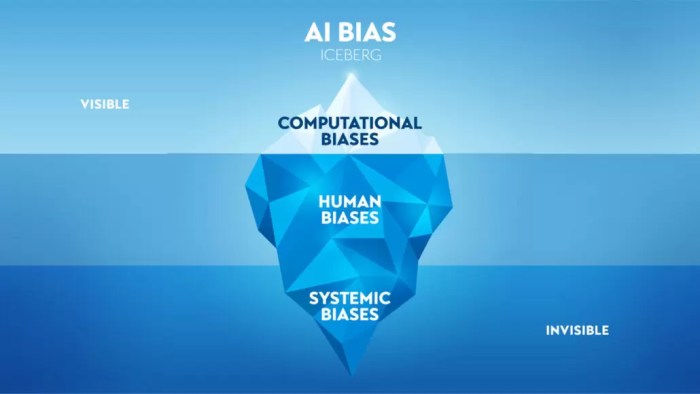
The potential for academic dishonesty can compromise the integrity of the educational system and erode the value of a chemistry degree.Finally,algorithmic bias* is a significant ethical concern. AI algorithms are trained on data, and if this data reflects existing biases, the algorithms can perpetuate and amplify these biases. For example, if an AI app is trained on data that underrepresents certain demographic groups, it might provide less accurate or helpful feedback to students from those groups.
This can lead to disparities in educational outcomes and exacerbate existing inequalities. To mitigate this risk, educators and developers must ensure that the data used to train AI apps is diverse and representative of the student population. It is also important to regularly audit AI algorithms for bias and to make adjustments as needed. Algorithmic bias can undermine the principles of fairness and equity in education, and it requires careful attention.
Strategies for Mitigating Negative Effects of AI Apps
To maximize the benefits of AI apps while minimizing their potential drawbacks, educators and students should adopt specific strategies to promote critical thinking and conceptual understanding.
- *Promoting Critical Thinking:* Educators should design assignments and assessments that require students to analyze, evaluate, and synthesize information, rather than simply providing answers. This could involve problem-solving exercises, case studies, and research projects that challenge students to apply their knowledge in new and creative ways. For example, students could be asked to analyze the results of a chemical experiment, identify sources of error, and propose improvements to the experimental design.
They could also be tasked with evaluating the scientific validity of a claim or argument. These types of activities encourage students to think critically and develop their own understanding of the material.
- *Emphasizing Conceptual Understanding:* Educators should focus on teaching the fundamental principles of chemistry rather than just the formulas and equations. This can be achieved through the use of interactive simulations, demonstrations, and real-world examples that illustrate the underlying concepts. For example, students could use interactive simulations to visualize the behavior of atoms and molecules or participate in hands-on experiments to observe chemical reactions.
Teachers can also encourage students to explain chemical concepts in their own words and to relate them to everyday phenomena. By fostering a deeper understanding of the concepts, students will be better equipped to use AI apps as tools to support their learning, rather than as replacements for their own understanding.
- *Integrating AI Apps Responsibly:* Students should be taught how to use AI apps as tools to support their learning, rather than as replacements for their own thinking. This can be achieved by providing clear guidelines on when and how to use AI apps, emphasizing the importance of verifying the results, and encouraging students to use the apps to explore different approaches to problem-solving.
Educators can also use AI apps to generate personalized feedback, identify areas where students are struggling, and provide targeted support. The key is to integrate the technology in a way that enhances learning, rather than replacing it.
- *Fostering Data Literacy:* Students should be taught how to evaluate the accuracy and reliability of information, including the output of AI apps. This can be achieved by providing them with the skills to identify potential biases in the data, understand the limitations of the algorithms, and critically assess the results. This is crucial in today’s world, where students are constantly bombarded with information from various sources.
Highlighting the features that differentiate the best AI applications from the rest of the market will guide user choices.
Selecting the optimal AI application for solving chemistry equations requires a discerning eye, focusing on features that elevate functionality beyond basic equation balancing. These advanced capabilities, ranging from intricate problem-solving to detailed mechanistic predictions, set the leading applications apart. This section will delve into the unique features that define the top-tier AI tools in the market, providing users with the knowledge necessary to make informed decisions.
Advanced Problem-Solving Capabilities
The premier AI chemistry applications distinguish themselves through their ability to tackle complex problems that extend beyond simple stoichiometric calculations. These applications are not merely equation balancers; they are sophisticated problem-solving engines.
- Organic Chemistry Mastery: Some AI apps excel in organic chemistry, offering features such as:
- Reaction Prediction: They can predict the products of organic reactions given the reactants and reaction conditions, often utilizing retrosynthetic analysis to suggest synthetic pathways. This is especially useful for planning multi-step syntheses. For instance, an AI might analyze the reactants for the synthesis of Aspirin (acetylsalicylic acid) and predict the major products and side products, along with possible reaction mechanisms.
- Nomenclature and Structure Drawing: Advanced applications can convert between IUPAC names, SMILES strings, and 2D/3D molecular structures, which is crucial for understanding and communicating chemical information.
- Functional Group Recognition: They can identify and analyze the functional groups present in a molecule, providing information on their reactivity and properties.
- Complex Inorganic Chemistry: Beyond organic chemistry, some applications offer robust support for inorganic chemistry problems, including coordination complexes, redox reactions, and acid-base chemistry.
- Problem-Solving Strategy Guidance: The best AI apps don’t just provide answers; they explain the solution process, guiding users through the steps and underlying principles. They may provide hints or alternative approaches.
Predictive Modeling and Mechanistic Analysis
A key differentiator is the ability to predict reaction outcomes and analyze reaction mechanisms, moving beyond static equation balancing.
- Reaction Mechanism Prediction: Sophisticated AI tools can propose plausible reaction mechanisms, outlining the step-by-step process of how reactants transform into products. This feature is particularly valuable for understanding reaction kinetics and thermodynamics. For example, an application could analyze the SN1 reaction of a tertiary alkyl halide with a nucleophile, detailing the carbocation formation, nucleophilic attack, and the transition states involved.
- Thermodynamic and Kinetic Analysis: Some AI apps can estimate reaction rates, equilibrium constants, and other thermodynamic properties, providing insights into reaction feasibility and efficiency.
- Molecular Modeling and Simulation: Certain applications integrate with molecular modeling software, allowing users to visualize molecules, simulate reactions, and analyze molecular interactions.
Data Integration and Analysis
The capacity to handle and interpret experimental data is a significant advantage.
- Spectroscopic Data Analysis: Some AI apps can analyze spectroscopic data (NMR, IR, mass spectrometry) to identify unknown compounds or confirm the structure of synthesized molecules. For example, the AI might analyze the 1H NMR spectrum of an unknown compound and, based on chemical shifts, coupling constants, and integration values, propose the likely structure or suggest possible functional groups.
- Data Integration: The ability to import and integrate experimental data from various sources (e.g., databases, spreadsheets) is essential for comprehensive analysis.
- Statistical Analysis: Advanced tools may include statistical analysis features to assess the accuracy and reliability of experimental data.
User Experience and Accessibility
The usability of an AI application is crucial for its effectiveness.
- Detailed Explanations: The best apps provide detailed, step-by-step explanations of the solutions, helping users understand the underlying principles.
- User-Friendly Interface: A clean, intuitive interface makes the application easier to use and more accessible to users of all skill levels.
- Customization Options: The ability to customize the application to fit specific learning preferences or research needs is a valuable feature.
Comparative Analysis of Top AI Chemistry Apps
This table provides a comparative overview of some of the top AI chemistry applications currently available. Note that market data, user ratings, and pricing are subject to change.
| Feature | App A | App B | App C |
|---|---|---|---|
| Organic Chemistry Capabilities | Excellent, including retrosynthetic analysis | Good, reaction prediction limited | Basic, focused on equation balancing |
| Inorganic Chemistry Support | Good | Limited | Excellent, focused on equation balancing |
| Reaction Mechanism Prediction | Yes, detailed | Limited | No |
| Spectroscopic Data Analysis | Yes, integrated | No | No |
| User Interface | Intuitive, customizable | Clean, basic | Basic |
| Pricing | Subscription based, $19.99/month | Free with limited features, premium $9.99/month | Free |
| User Ratings | 4.8/5 stars | 4.2/5 stars | 3.5/5 stars |
Examining the future trends and innovations in AI applications for chemistry reveals a glimpse into the evolution of this technology.

The integration of artificial intelligence (AI) into chemistry is rapidly transforming the field, offering unprecedented opportunities for innovation in education, research, and industry. Future advancements promise to further enhance the capabilities of AI applications, leading to more efficient, accurate, and accessible tools for chemists and students alike. This section will explore the potential future trends and innovations in AI applications for chemistry, focusing on the integration of augmented reality, the development of sophisticated algorithms, and the application of AI in drug discovery.
Potential Future Advancements in AI Applications for Chemistry
The future of AI in chemistry is characterized by the potential for transformative advancements that will reshape how chemical problems are approached and solved. These advancements span across various aspects, including algorithm development, interface design, and practical applications.
- Integration of Augmented Reality (AR): The combination of AI with AR will revolutionize how students learn and researchers interact with chemical concepts and data. AR applications could overlay virtual models of molecules onto the real world, allowing students to visualize complex structures and understand chemical reactions in an immersive and interactive manner. For example, a student could use a tablet to point at a physical model of a molecule, and the AR app would display its 3D structure, bond angles, and potential reactivity in real-time.
This can significantly improve understanding and retention of complex information, particularly for abstract concepts like molecular orbitals or reaction mechanisms. In research, AR could allow scientists to visualize simulation results overlaid on their physical lab setup, providing a more intuitive and integrated view of their experiments.
- Development of More Sophisticated Algorithms: The ongoing advancements in machine learning, particularly in areas like deep learning and neural networks, will lead to the development of more powerful and accurate algorithms for solving chemical problems. These algorithms could be trained on vast datasets of chemical data, including experimental results, spectroscopic data, and computational simulations, to predict chemical properties, design new molecules, and optimize reaction conditions with greater precision.
For instance, the algorithms could learn to identify patterns in chemical structures that correlate with specific biological activities, accelerating the drug discovery process. Furthermore, the development of explainable AI (XAI) will be crucial, providing insights into the decision-making processes of the AI, allowing scientists to understand the underlying rationale behind the AI’s predictions and trust its recommendations.
- Use of AI in Drug Discovery: AI is already playing a significant role in drug discovery, and its impact will only increase in the future. AI algorithms can be used to analyze large datasets of biological and chemical information to identify potential drug candidates, predict their efficacy and toxicity, and optimize their design. This can significantly reduce the time and cost associated with drug development.
Specifically, AI could be employed in the following areas:
- Target Identification: AI can analyze genomic and proteomic data to identify potential drug targets related to diseases.
- Virtual Screening: AI can screen millions of compounds virtually to identify those that are most likely to bind to a specific target.
- Lead Optimization: AI can optimize the structure of a drug candidate to improve its efficacy, safety, and pharmacokinetic properties.
- Clinical Trial Design: AI can help design more efficient and effective clinical trials by predicting patient responses and optimizing trial protocols.
- Automation of Laboratory Experiments: AI can be used to automate various aspects of laboratory experiments, such as sample preparation, data acquisition, and analysis. This can increase the efficiency and reproducibility of experiments while reducing human error. Robotics and AI-powered systems can be programmed to perform complex chemical reactions and analyze the resulting products, freeing up scientists to focus on higher-level tasks such as experimental design and data interpretation.
Revolutionizing Chemistry Education and Research
These innovations have the potential to revolutionize both chemistry education and research. By making complex concepts more accessible and providing powerful tools for analysis and experimentation, AI can significantly enhance the learning experience and accelerate scientific discovery.
- Enhanced Chemistry Education: AI-powered educational tools can provide personalized learning experiences, adapting to the individual needs of each student.
- Adaptive Learning Platforms: AI can analyze student performance to identify areas where they struggle and provide targeted feedback and practice exercises.
- Interactive Simulations: AI can power interactive simulations that allow students to explore chemical concepts in a hands-on and engaging way. For example, a student could manipulate the variables in a chemical reaction and observe the resulting changes in real-time.
- Virtual Laboratories: AI can create virtual laboratories where students can conduct experiments without the need for physical equipment, providing a safe and accessible learning environment.
- Accelerated Scientific Research: AI can accelerate scientific research by automating tasks, analyzing data, and generating new hypotheses.
- Predictive Modeling: AI can be used to predict the properties of new materials and chemical compounds, saving time and resources on experimental testing.
- Data Analysis: AI can analyze large datasets of experimental data to identify patterns and trends that might be missed by human researchers.
- Drug Discovery: AI can be used to identify potential drug candidates, predict their efficacy and toxicity, and optimize their design, as previously mentioned.
Descriptive Account of a Futuristic AI App Interface
Imagine a scientist in a futuristic laboratory, bathed in the soft glow of holographic projections. They are using a sophisticated AI application to design a novel molecule with specific properties. The interface of the AI app is a sleek, transparent holographic display, seamlessly integrated into the lab bench. The scientist interacts with the app using a combination of voice commands, hand gestures, and eye tracking.The interface is divided into several key sections:
- Molecular Builder: A 3D model of the molecule being designed is displayed in the center of the holographic screen. The scientist can manipulate the molecule by selecting atoms, adding functional groups, and adjusting bond lengths and angles with a simple hand gesture. The app provides real-time feedback, showing the effects of each modification on the molecule’s properties, such as its energy levels, reactivity, and potential interactions with other molecules.
- Property Predictor: A panel on the right side of the screen displays predicted properties of the molecule, including its melting point, boiling point, solubility, and potential biological activity. The app uses advanced AI algorithms to analyze the molecule’s structure and predict its properties with high accuracy. The scientist can explore different design options and see how they affect the predicted properties in real-time.
- Data Integration: The app is seamlessly integrated with a vast database of chemical and biological data. The scientist can access information on existing molecules, experimental results, and scientific literature with a simple voice command. The app can also analyze data from external sources, such as spectroscopic instruments and computational simulations, and integrate the results into the molecular design process.
- Reaction Simulator: The app includes a reaction simulator that allows the scientist to simulate the molecule’s behavior in different chemical reactions. The scientist can specify the reactants, catalysts, and reaction conditions, and the app will predict the reaction products and yields. This feature allows the scientist to optimize the synthesis route and ensure that the molecule can be produced efficiently.
The scientist’s workflow is fluid and intuitive. They begin by specifying the desired properties of the molecule. The AI app then suggests potential molecular structures that could meet these criteria. The scientist can then refine the design by adding or removing functional groups, adjusting bond angles, and exploring different isomers. As the scientist makes changes, the app provides real-time feedback on the molecule’s predicted properties and potential reactivity.
The scientist can also simulate the molecule’s behavior in different chemical reactions to optimize the synthesis route. Finally, the scientist can export the designed molecule’s structure and properties to a 3D printer for physical fabrication. The entire process is streamlined and efficient, allowing the scientist to focus on the creative aspects of molecular design and accelerating the pace of scientific discovery.
Illustrating how to properly utilize AI apps for chemistry equation solutions will help students and professionals in their tasks.
AI-powered applications designed for solving chemistry equations represent a significant advancement in educational and professional tools. To fully leverage their capabilities, users must understand the best practices for inputting data, interpreting outputs, and utilizing the apps to deepen their comprehension of chemical principles. This section focuses on providing a comprehensive guide to effective utilization, troubleshooting, and leveraging support resources.
Best Practices for Effective App Usage
To maximize the effectiveness of AI chemistry equation solvers, users must adopt a structured approach to input, interpretation, and application. This involves meticulous attention to detail and a strategic approach to problem-solving.
- Accurate Equation Input: The cornerstone of effective use is precise input. Most apps utilize specific formats for chemical equations. Users should adhere to these formats, paying close attention to the following:
- Correct Chemical Formulas: Ensure that the chemical formulas are accurate, including correct capitalization, subscript numbers, and the appropriate use of parentheses for polyatomic ions. For example, the formula for sulfuric acid is
H2SO 4
, not H2SO4 or H2SO4.
- Balanced Equations: Some apps can balance equations automatically. However, when manually entering, make sure the equation is either unbalanced (for the app to balance) or correctly balanced before submission. Incorrectly balanced equations will lead to inaccurate results.
- Phases of Matter: Indicate the phase of each reactant and product (solid (s), liquid (l), gas (g), aqueous (aq)) when required. This information is crucial for stoichiometry and reaction prediction. For instance, the reaction of sodium chloride in water can be represented as:
NaCl(s) + H2O(l) → Na +(aq) + Cl –(aq)
.
- Units and Constants: If the app requires numerical input, be precise with units (e.g., grams, moles, liters) and the values of any constants used.
- Correct Chemical Formulas: Ensure that the chemical formulas are accurate, including correct capitalization, subscript numbers, and the appropriate use of parentheses for polyatomic ions. For example, the formula for sulfuric acid is
- Accurate Interpretation of Results: The app’s output should be interpreted critically. Understand the meaning of each parameter presented.
- Stoichiometry: Pay close attention to the mole ratios and their implications for the reaction’s progress.
- Equilibrium Constants: Understand the value of the equilibrium constant (K) and its meaning regarding the favorability of the reaction. A high K indicates that the reaction favors product formation.
- Reaction Rate Information: If the app provides rate constants or activation energies, interpret them correctly to understand the kinetics of the reaction. A low activation energy indicates a faster reaction rate.
- Error Analysis: Understand the limitations of the app. Some apps may not accurately handle complex reactions or provide detailed explanations of why a result might be incorrect.
- Utilizing the App for Enhanced Understanding: The app is not just a calculator; it’s a learning tool.
- Step-by-Step Solutions: Many apps provide step-by-step solutions, which can illuminate the problem-solving process. This is particularly valuable for understanding the logic behind calculations.
- Interactive Features: Explore interactive features, such as visualizations or simulations, to understand concepts more intuitively.
- Cross-Referencing: Always cross-reference the app’s output with textbook explanations and other reliable sources. This practice ensures a deeper understanding and validation of the results.
- Practice Problems: Use the app to solve a variety of practice problems to build proficiency and identify areas needing improvement.
Troubleshooting Common Issues and Seeking Support
Even with careful usage, users may encounter issues. Knowing how to troubleshoot and access support resources is essential.
- Incorrect Results: If the results seem incorrect, review the input carefully. Common errors include:
- Typographical Errors: Double-check all formulas and numerical values.
- Unit Mismatches: Ensure consistent units are used throughout the calculation.
- Incorrect Reaction Conditions: Verify that the reaction conditions (temperature, pressure, etc.) are correctly specified, if required by the app.
- App Errors: Apps can sometimes have bugs or limitations. If the app consistently produces incorrect results, consult the app’s documentation or support resources.
- Seeking Help:
- Documentation: Start by consulting the app’s documentation, which usually includes a FAQ section and troubleshooting guides.
- Online Forums: Many apps have user forums where users can ask questions and share solutions.
- Support Channels: Utilize the app’s support channels, such as email or chat, to report issues and seek assistance.
Solving a Practical Chemical Problem: Step-by-Step Guide
This section Artikels the process of solving a practical chemical problem using a hypothetical AI app, “ChemSolve AI.”
- Problem Statement: Calculate the mass of sodium chloride (NaCl) needed to prepare 250 mL of a 0.5 M solution.
- Input:
- Open ChemSolve AI and select the “Stoichiometry” or “Solution Preparation” module.
- Enter the chemical formula for sodium chloride: NaCl.
- Specify the desired volume: 250 mL. Convert this to liters: 0.25 L.
- Specify the desired molarity: 0.5 M.
- Calculation:
- ChemSolve AI uses the formula:
Moles = Molarity x Volume
- Moles of NaCl = 0.5 M x 0.25 L = 0.125 moles.
- The app then calculates the mass using the molar mass of NaCl (58.44 g/mol).
- Mass of NaCl = Moles x Molar Mass = 0.125 moles x 58.44 g/mol = 7.305 g.
- ChemSolve AI uses the formula:
- Output Interpretation: ChemSolve AI displays the following:
- Mass of NaCl required: 7.305 g
- Step-by-step solution, including the formulas used.
- A visual representation of the solution preparation.
- Verification: Verify the result by cross-referencing with a textbook example or a manual calculation to ensure accuracy.
- Application: The user now knows to weigh out 7.305 g of NaCl and dissolve it in water to a final volume of 250 mL to create a 0.5 M solution.
Wrap-Up: Best Ai App For Solving Chemistry Equations
In conclusion, the best AI apps for solving chemistry equations represent a significant advancement in the field, offering unprecedented opportunities for learning, research, and innovation. While challenges and limitations exist, the potential benefits are undeniable. As technology continues to evolve, these apps will undoubtedly play an increasingly important role in shaping the future of chemistry education and research, empowering users with powerful tools and fostering a deeper understanding of chemical principles.
Navigating the evolving landscape requires a critical approach, ensuring responsible integration and maximizing the benefits of this transformative technology.
FAQ Guide
What is the primary function of an AI app for solving chemistry equations?
The primary function is to automatically balance chemical equations, predict reaction outcomes, and identify chemical species, streamlining complex calculations and enhancing understanding of chemical processes.
How accurate are these AI apps in solving complex chemical equations?
Accuracy varies depending on the app and the complexity of the equation. However, most apps have high accuracy rates, particularly for common chemical reactions, but users should always verify the results.
Are these apps suitable for beginners in chemistry?
Yes, many apps are designed with user-friendly interfaces suitable for beginners, providing step-by-step solutions and explanations that aid in learning the fundamentals of chemistry.
What types of chemistry problems can these apps solve?
These apps can solve a wide range of problems, including balancing equations, predicting reaction outcomes, identifying chemical species, and solving stoichiometry problems.
What are the limitations of using AI apps for chemistry?
Limitations include potential over-reliance on the app, the need for critical thinking skills to verify results, and the importance of understanding the underlying chemical principles, as well as the apps’ ability to solve highly complex organic problems or reactions that are not well-defined in the available data.