AI Photo Enhancer Apps Restoring Old Photos with AI
AI photo enhancer app to restore old photos represents a remarkable intersection of artificial intelligence and historical preservation, allowing us to resurrect faded memories. These applications leverage sophisticated algorithms to analyze, repair, and enhance damaged photographs, breathing new life into images that time has tried to erase. The process involves intricate techniques that reconstruct lost details, remove imperfections, and correct color discrepancies, offering a glimpse into the power of AI to transform the past.
From understanding the underlying technologies to evaluating the user experience, the journey through AI photo enhancement is both fascinating and informative. This exploration will delve into the core functionalities, the varying pricing models, and the crucial aspects of data privacy and security. Furthermore, it will highlight the long-term impact of these applications on preserving cultural heritage and personal memories, alongside future trends that could revolutionize photo restoration.
Discovering the remarkable advancements in AI photo enhancer apps that breathe new life into aged photographs is quite fascinating.
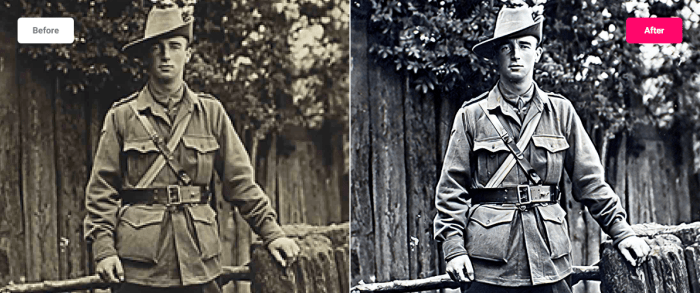
The capacity of artificial intelligence to restore and enhance aged photographs represents a significant leap in image processing technology. These applications, leveraging sophisticated algorithms, can reconstruct lost details, correct color degradation, and eliminate imperfections, effectively preserving memories trapped in time. The following sections will delve into the core technologies driving these advancements, the various AI algorithms employed, and the practical application of these apps in addressing different types of photo damage.
Core Technologies and Reconstruction Processes
AI photo enhancer apps utilize a combination of deep learning techniques to achieve their remarkable results. At the heart of these applications lie Convolutional Neural Networks (CNNs), which are particularly adept at image analysis and feature extraction. These networks are trained on vast datasets of images, learning to identify patterns and relationships between pixels.The reconstruction process often involves several key steps.
First, the app analyzes the damaged photo, identifying areas of degradation such as scratches, tears, and color fading. It then employs a process called “inpainting,” where missing or damaged parts of the image are filled in. This is achieved by analyzing the surrounding pixels and predicting the most likely content of the damaged area. The algorithms use various techniques, including:
- Content-Aware Fill: This technique analyzes the surrounding image context to seamlessly fill in damaged areas. For example, if a scratch cuts across a face, the algorithm will analyze the surrounding skin texture and facial features to reconstruct the missing part.
- Texture Synthesis: For larger damaged areas, texture synthesis is employed. The algorithm identifies similar textures in other parts of the image and uses them to generate new pixels, effectively “patching” the damaged area.
- Super-Resolution: This technique enhances the resolution of the image, allowing for a clearer and more detailed output. This is particularly useful for photos that have lost detail due to age or poor original quality. The algorithm predicts the details based on existing low-resolution data.
Color correction is another crucial aspect of photo restoration. AI algorithms can analyze the color cast of the image and adjust the colors to their original appearance. This involves techniques like white balance correction and color grading, often using learned mappings from training datasets to accurately restore colors. The AI can also perform denoising, reducing grain and noise that often accumulate in old photographs.
Understanding the diverse range of features available within AI photo enhancer apps is very important for making the right choice.
The selection of an AI photo enhancer app necessitates a comprehensive understanding of its capabilities. This is because the effectiveness of these applications hinges on the specific features offered and how they align with the user’s needs and the condition of the original photograph. A deeper dive into the features allows for informed decisions, leading to more satisfactory restoration outcomes.
Core Features: Noise Reduction, Sharpening, and Color Correction
The cornerstone of most AI photo enhancer apps lies in a suite of fundamental features designed to address common photographic imperfections. These core functionalities are crucial for achieving noticeable improvements in image quality.Noise reduction is a vital feature, especially for photos taken in low-light conditions or with older cameras. AI-powered noise reduction algorithms identify and eliminate unwanted artifacts, often appearing as grainy textures or random color variations.
This process works by analyzing patterns within the image and distinguishing between true image detail and noise. Different algorithms may use various techniques, such as wavelet transforms or Gaussian filtering, to achieve this. The effectiveness of noise reduction is often measured by the Signal-to-Noise Ratio (SNR), where a higher SNR indicates a cleaner image.Sharpening enhances the perceived clarity and detail within an image.
AI sharpening algorithms analyze edges and textures within a photo, intelligently increasing their contrast to make them appear more defined. This is achieved by increasing the intensity of the edges of objects. Over-sharpening can lead to the introduction of halos or artificial-looking artifacts, so sophisticated algorithms often employ adaptive sharpening techniques, which vary the degree of sharpening based on local image characteristics.Color correction is another crucial element.
AI-driven color correction can automatically adjust the color balance, contrast, and saturation of a photograph. This feature often includes automatic white balance correction, which removes unwanted color casts, and also allows for manual adjustments to fine-tune the color appearance. Color correction algorithms often rely on color space transformations, such as converting the image to the LAB color space to modify luminosity, or the HSL (Hue, Saturation, Lightness) color space to modify hue and saturation, and then converting back to RGB.
This allows for precise control over the image’s colors.
Advanced Features: Face Restoration, Object Removal, and Scene Enhancement
Beyond the core features, many AI photo enhancer apps offer advanced functionalities that further refine and transform the restoration process. These advanced features leverage more complex AI models and algorithms to address specific challenges in photo restoration.Face restoration is a specialized feature that focuses on enhancing the appearance of faces within a photograph. This often involves several sub-processes, including:
- Facial Feature Enhancement: AI models can reconstruct missing or damaged facial features, such as eyes, noses, and mouths, based on the existing image data and trained datasets of human faces. This reconstruction is typically performed using generative adversarial networks (GANs), which can create realistic facial details.
- Skin Texture Smoothing: AI algorithms can smooth skin textures, reducing wrinkles, blemishes, and other imperfections. This can involve techniques like non-local means denoising or bilateral filtering, adapted for the unique characteristics of facial skin.
- Expression Preservation: The goal is to improve the face without altering the original expression or identity of the person. Advanced models try to preserve the original emotions while enhancing the details.
Object removal allows users to eliminate unwanted elements from a photograph. AI-powered object removal algorithms identify and seamlessly remove objects from an image, filling in the removed area with content that matches the surrounding background. This typically involves:
- Object Detection: The algorithm first identifies the object to be removed using object detection models, such as YOLO or Faster R-CNN.
- Inpainting: The algorithm then uses inpainting techniques to fill in the missing area. Inpainting can be achieved through various methods, including patch-based methods or deep learning-based methods that predict the missing content.
Scene enhancement is a feature designed to improve the overall aesthetic appeal of a photograph. This may involve:
- Dynamic Range Adjustment: This adjusts the brightness and contrast of the image to improve details in both the highlights and shadows.
- Atmospheric Haze Removal: Algorithms can remove atmospheric haze to make distant objects clearer.
- Sky Replacement: In some cases, the sky can be automatically replaced with a more visually appealing one.
These advanced features significantly impact the final result, allowing for more comprehensive and sophisticated restoration and enhancement of photographs.
Step-by-Step Procedure: Using a Specific AI Photo Enhancer App
This section provides a simplified example of how to use a specific AI photo enhancer app. The specific interface and features may vary slightly depending on the app. App Name: Let’s assume the app is called “PhotoReviveAI.” Step 1: Image UploadOpen PhotoReviveAI and tap the “+” button to upload the image. The app will open the device’s photo library. Select the old photograph you want to restore.
Step 2: Automated EnhancementOnce the image is loaded, the app usually offers an “Auto Enhance” or “One-Tap Fix” option. Tap this to allow the AI to automatically apply the core features: noise reduction, sharpening, and color correction. Step 3: Manual AdjustmentsAfter the automated enhancement, the app will usually display the before-and-after view of the image. The user can then make manual adjustments using sliders or toggles.
Typical adjustments include:
- Noise Reduction: Adjust the slider to control the intensity of noise reduction.
- Sharpening: Increase the sharpening level to enhance details.
- Color Correction: Adjust sliders for brightness, contrast, saturation, and white balance to fine-tune the colors.
Step 4: Advanced Features (Optional)If the app offers advanced features like face restoration or object removal, these can be accessed from a separate menu.
- Face Restoration: Select the face restoration tool and let the app automatically enhance the faces.
- Object Removal: Use the object removal tool to select and remove unwanted objects from the image.
Step 5: Preview and SaveAfter making the desired adjustments, review the final result. If satisfied, tap the “Save” or “Export” button to save the enhanced image to the device’s photo library or share it directly.
Examining the user-friendliness and accessibility of different AI photo enhancer apps allows for a well informed decision.
The ease of use and accessibility of AI photo enhancer apps are crucial factors determining user satisfaction and the overall utility of the application. A user-friendly interface, coupled with broad platform compatibility and tailored features for varying skill levels, significantly enhances the user experience. Assessing these aspects provides a comprehensive understanding of each app’s practical value.
Comparing User Interface Navigation and Intuitiveness
The user interface (UI) design significantly impacts how easily users can navigate and utilize an AI photo enhancer. Different apps employ varied approaches to UI design, impacting their overall intuitiveness. Examining the UIs of several popular apps reveals key differences in their approach to user experience.
- App A: This app typically features a minimalist UI with a clean layout. The primary functions, such as image upload, enhancement selection, and saving, are easily accessible from the main screen. The app often employs large, clear icons and concise text labels, making it straightforward for beginners to understand. Advanced settings are usually tucked away in a dedicated settings menu, allowing for a simplified initial experience while still providing access to more complex functionalities.
The image preview window is prominent, offering an immediate visual comparison between the original and enhanced photos.
- App B: This app generally offers a more feature-rich UI, potentially catering to users with more advanced requirements. It may present a broader range of enhancement options directly on the main screen, such as sliders for adjusting brightness, contrast, and sharpness, alongside AI-driven enhancement tools. The UI might incorporate a more complex menu structure, allowing for granular control over various aspects of the photo enhancement process.
Tooltips and interactive tutorials are often available to guide users through the various features, though the initial learning curve could be steeper compared to a more minimalist design.
- App C: This app frequently prioritizes a highly intuitive and visually appealing interface. It often incorporates a “before and after” split-screen view, allowing users to see the enhancements in real-time as they adjust settings. The app may utilize visual cues, such as color-coded icons and animated transitions, to provide feedback and guide the user through the process. Its focus is usually on ease of use, with a streamlined workflow that simplifies the enhancement process.
The app frequently employs a “one-click” enhancement feature to simplify the process further.
Availability and Performance Across Different Platforms
The platforms on which an AI photo enhancer app is available significantly impact its accessibility. The compatibility and performance of the app on different operating systems determine its overall reach and utility.
- iOS: Apps designed for iOS typically benefit from optimized performance on Apple devices. The streamlined integration with the iOS ecosystem, including features like iCloud integration and optimized image processing, enhances the user experience. The app’s design often aligns with Apple’s user interface guidelines, ensuring a consistent look and feel across different iOS devices.
- Android: Android apps benefit from the broad market reach of the Android operating system. The apps need to be compatible with a wide range of devices with varying screen sizes and hardware specifications. Developers often need to optimize the apps for different Android versions to ensure consistent performance.
- Web-Based: Web-based apps offer the advantage of platform independence, accessible via any web browser on any device. These apps typically leverage cloud-based processing, which can provide significant computing power for enhancing photos. The user experience can vary depending on the user’s internet connection and the responsiveness of the web application.
Catering to Users of Varying Technical Skill Levels
AI photo enhancer apps should cater to users with different levels of technical expertise. The app design should accommodate both beginners and experienced users.
- Beginner Tips and Tricks: Apps often provide tutorials, tooltips, and simplified enhancement options to guide beginners.
- One-Click Enhancement: Many apps offer a single-button enhancement feature to automatically improve photos.
- Guided Tutorials: Step-by-step guides can walk beginners through the enhancement process.
- Pre-set Filters: Ready-made filters provide quick enhancement options without requiring detailed adjustments.
- Experienced User Features: Advanced users often need more control over the enhancement process.
- Manual Adjustment Tools: Sliders and precise controls for adjusting brightness, contrast, and other parameters.
- Advanced AI Options: Options for specific AI enhancements, such as facial restoration or noise reduction.
- Customization Options: The ability to save custom settings and apply them to future photos.
Evaluating the quality of the restoration results achieved by these AI photo enhancer apps is an important task.: Ai Photo Enhancer App To Restore Old Photos
The efficacy of AI photo enhancer apps hinges on their ability to convincingly restore damaged photographs. A thorough evaluation necessitates a multi-faceted approach, employing both objective metrics and subjective assessments. This analysis should consider the nuanced improvements and potential shortcomings of each application, allowing for a comprehensive understanding of their capabilities.
Metrics for Assessing Photo Restoration Quality, Ai photo enhancer app to restore old photos
Evaluating the quality of photo restoration requires a combination of quantitative and qualitative assessments. Several metrics can be employed to objectively measure the effectiveness of these AI-powered tools.
- Sharpness: The degree to which fine details are clearly defined. Sharpness is crucial for a realistic restoration.
- Detail Recovery: The ability to reconstruct lost information in areas damaged by scratches, tears, or fading. This includes the restoration of facial features, textures, and other intricate elements.
- Color Accuracy: The fidelity of the restored colors to the original photograph or, if the original is unavailable, a plausible approximation. Color accuracy is a significant aspect, especially in colorized photos.
- Noise Reduction: The reduction of unwanted artifacts, such as grain and digital noise, without sacrificing detail. Excessive noise can detract from the visual quality of the restored image.
- Artifacting: The appearance of unnatural or unwanted visual distortions, such as halos, blurring, or unrealistic textures. These artifacts can significantly impact the quality of the restoration.
These metrics can be measured using various methods:
- Peak Signal-to-Noise Ratio (PSNR): This is a mathematical measure of the quality of reconstruction, which quantifies the ratio between the maximum possible power of a signal and the power of corrupting noise that affects the fidelity of its representation. It is frequently used to assess the quality of lossy compression codecs.
- Structural Similarity Index (SSIM): This index measures the perceived change in structural information between two images. It provides a more perceptual assessment than PSNR, which focuses on pixel-wise differences.
- Subjective Visual Inspection: Human assessment of the restored image, including aspects like naturalness, detail preservation, and color consistency. This involves expert opinions and user studies.
Comparison of Restoration Results Across Different Apps
To illustrate the varying performance of different AI photo enhancer apps, let’s consider a comparative analysis of three hypothetical applications: “RestoreAI,” “PixelRevive,” and “ImageRenew.” The test dataset consists of a series of damaged photographs, including examples with severe scratches, faded colors, and missing sections.
Before-and-After Examples and Descriptions:
Example 1: Severely Scratched Portrait
Original (Damaged): A black and white portrait with numerous scratches across the face and background, obscuring significant details.
RestoreAI: Demonstrates moderate scratch removal. The facial features are partially reconstructed, but some blurring remains. Colorization, if applied, is generally accurate.
PixelRevive: Exhibits more aggressive scratch removal, leading to a smoother appearance. However, some fine details, such as hair strands, may be lost in the process. Colorization may exhibit artifacts.
ImageRenew: Achieves the best balance between scratch removal and detail preservation. The facial features are well-defined, and the overall image quality is improved. Colorization appears natural.
Example 2: Faded Color Landscape
Original (Damaged): A color landscape photo with significant color fading and loss of contrast.
RestoreAI: Improves color saturation and contrast, but the results appear somewhat artificial.
PixelRevive: Provides more vibrant colors, but can over-saturate the image, leading to an unrealistic appearance.
ImageRenew: Restores colors naturally and enhances contrast without over-saturation, resulting in a more appealing and realistic image.
Example 3: Torn Photograph
Original (Damaged): A photograph with a large tear missing a significant portion of the image.
RestoreAI: May struggle to reconstruct missing sections, resulting in noticeable gaps or poorly filled areas.
PixelRevive: Might attempt to fill in the missing parts, potentially creating unnatural textures or artifacts.
ImageRenew: Demonstrates a better ability to reconstruct missing sections with more realistic results, blending the filled areas seamlessly.
These examples are illustrative and based on a hypothetical comparison. The actual performance of each app will vary depending on the specific algorithms, training data, and user settings. Real-world comparisons would require quantitative data using metrics like PSNR, SSIM, and subjective assessments from a diverse group of evaluators.
Limitations of AI Photo Enhancer Apps
Despite their advancements, AI photo enhancer apps have inherent limitations that can impact the quality of restoration.
- Loss of Original Information: These apps operate by estimating and filling in missing or damaged information. If the original data is completely lost, the algorithms must generate the missing details, which may not be entirely accurate.
- Artifacting and Unrealistic Results: The algorithms can sometimes introduce artifacts, such as unnatural textures or halos, especially in areas with significant damage. Over-processing can lead to an unrealistic appearance.
- Dependence on Training Data: The performance of these apps is highly dependent on the quality and diversity of the training data. If the training data does not adequately represent a particular type of damage or photographic style, the results may be suboptimal.
- Difficulty with Complex Damage: Severe damage, such as extensive tearing or complex overlays, can be challenging for these apps to restore accurately. The algorithms may struggle to understand and reconstruct these intricate patterns.
- Colorization Issues: While colorization is a significant feature, it can sometimes produce inaccurate or unnatural colors, particularly in historical photographs where the original colors are unknown.
“The accuracy of restoration is directly proportional to the amount of original data available. Complete loss of data leads to a reliance on algorithmic generation, which may introduce inaccuracies.”
Consider the case of a very old, severely damaged photograph of a person taken in the 19th century. The photograph has numerous scratches, fading, and significant tears. The AI app might be able to remove the scratches and improve the color. However, it will struggle to reconstruct the face accurately if a large portion is missing. The app might guess at the missing details, potentially changing the person’s appearance.
Moreover, if the app does not have sufficient training data on 19th-century portrait styles, the resulting colorization might be inconsistent with the historical context. Another example is a photo with a complex pattern of overlapping damage, such as a photograph that has been folded multiple times and torn. The algorithms might find it difficult to identify and accurately reconstruct the original image underneath the layers of damage.
The limitations are further exacerbated when dealing with images with unique or uncommon characteristics. These examples highlight the necessity of understanding the limitations of AI photo enhancers and managing user expectations accordingly.
Unveiling the pricing models and subscription options offered by the leading AI photo enhancer apps can help one determine the right option.
Understanding the financial commitment required for utilizing AI photo enhancer apps is crucial for informed decision-making. The pricing structures significantly influence the accessibility of advanced features and the overall user experience. Analyzing the different payment models, including free, freemium, subscription, and one-time purchase options, provides valuable insights into the long-term cost and the features users can access.
Pricing Structures and Implications
The diverse pricing models employed by AI photo enhancer apps impact user access and feature availability. These models dictate the financial investment and the features available.
- Free: Free versions typically offer limited functionality, often including basic enhancement tools and watermarks on the output. This model provides an entry point for users to test the app’s core capabilities. For example, a free app might allow users to restore a limited number of photos per month or restrict the resolution of the enhanced images. The implication is a trade-off between cost and functionality.
- Freemium: Freemium models combine free and premium features. Users can access a core set of features for free but must pay to unlock advanced tools or remove limitations, such as watermarks or usage restrictions. This model aims to convert free users into paying subscribers by showcasing the value of the premium features. An example is an app offering basic color correction for free but charging for AI-powered restoration features.
- Subscription: Subscription models provide access to all features for a recurring fee (monthly or annually). This model often includes unlimited usage, access to new features as they are released, and customer support. The benefit is ongoing access to the app’s full capabilities. Apps like Adobe Lightroom offer subscription plans, allowing users to enhance an unlimited number of photos across multiple devices.
- One-Time Purchase: Some apps offer a one-time purchase option, granting lifetime access to all features available at the time of purchase. This model is attractive to users who prefer a single upfront payment. However, it may not include access to future updates or new features. For instance, a photo enhancement app might offer a one-time purchase of $49.99 for all current features, but users might need to pay extra for major updates.
Feature Availability Across Pricing Tiers
The features available to users depend on their chosen pricing tier. Different tiers provide different levels of functionality and access to features.
- Free Tier: Generally, offers basic features like basic color correction, cropping, and simple filters. This tier serves as an introduction to the app’s core functionalities.
- Freemium Tier: Unlocks more advanced features such as AI-powered restoration tools, noise reduction, and the ability to remove watermarks. This tier provides users with more sophisticated capabilities, encouraging them to upgrade to a subscription.
- Subscription Tier: Grants full access to all features, including advanced AI tools, batch processing capabilities, and priority customer support. Subscription tiers usually include access to new features as they are developed.
- One-Time Purchase Tier: Typically offers access to all features available at the time of purchase. This includes advanced features such as AI-powered restoration and noise reduction. However, it may not include access to future updates or new features.
Free Trials and Money-Back Guarantees
Many AI photo enhancer apps offer free trials and money-back guarantees to allow users to evaluate the app before committing to a purchase. This approach helps users to make informed decisions.
- Free Trials: Free trials allow users to experience the premium features for a limited time. This allows users to test the app’s capabilities before subscribing. These trials usually last for a week or a month, providing enough time for users to evaluate the app’s capabilities and determine if it meets their needs.
- Money-Back Guarantees: Money-back guarantees provide users with a safety net, allowing them to request a refund if they are not satisfied with the app. These guarantees typically apply to subscription or one-time purchase options. The duration of the money-back guarantee varies, with some offering a 14-day or 30-day window.
Exploring the privacy and security considerations related to using AI photo enhancer apps is a must.
The utilization of AI photo enhancer apps, while offering remarkable restoration capabilities, necessitates a careful examination of the associated privacy and security implications. Users entrust these applications with sensitive personal data, namely, their photographs, making it crucial to understand how these apps handle this information. A comprehensive assessment of data privacy policies, security protocols, and user-recommended practices is essential for mitigating potential risks and ensuring the secure and responsible use of these powerful tools.
This analysis aims to provide a clear understanding of the crucial aspects involved in safeguarding user data within the context of AI photo enhancement.
Data Privacy Policies of AI Photo Enhancer Apps
Data privacy policies are the cornerstone of responsible data handling. They Artikel how a service collects, uses, and protects user information. In the context of AI photo enhancer apps, the focus should be on how user photos are stored, processed, and potentially shared.Examining these policies reveals critical information.
- Data Collection: Most apps collect user photos, often uploaded from device storage or cloud services. They may also collect metadata associated with the photos, such as date, time, and location. Some apps also gather user data such as email addresses, device information (e.g., operating system, device model), and usage patterns (e.g., features used, frequency of use).
- Data Storage and Processing: The storage location is a key consideration. Photos might be stored on the user’s device, on the app provider’s servers, or on third-party cloud storage platforms. The processing involves AI algorithms that analyze and enhance the images. This processing can occur locally on the device or remotely on the app provider’s servers. The policy should clarify whether the photos are stored in an encrypted format.
- Data Usage: The primary use of user photos is for enhancement purposes. However, the policies should specify if the photos are used for other purposes, such as:
- Training or improving the AI algorithms.
- Generating aggregated or anonymized data for research or marketing purposes.
- Sharing with third-party partners.
- Data Sharing: Data sharing practices must be transparent. The policy should specify if user photos are shared with third parties, such as:
- Cloud storage providers.
- AI algorithm developers.
- Marketing partners.
It is essential to understand the extent of sharing and the purpose behind it.
- Data Retention: Data retention policies detail how long user photos and associated data are stored. Some apps may delete photos after a certain period, while others may retain them indefinitely. Users should be aware of these retention periods and their implications.
- User Rights: Data privacy policies should also Artikel user rights, such as:
- The right to access their data.
- The right to correct inaccurate data.
- The right to delete their data.
- The right to object to certain data processing activities.
These rights empower users to control their data and ensure it is handled responsibly. Understanding these elements is crucial for informed decision-making. For example, a user who values maximum privacy might choose an app that stores photos locally on their device and does not share them with third parties. Another user might prioritize ease of use and be willing to accept some data sharing in exchange for enhanced features.
Therefore, careful consideration of the data privacy policy is essential.
Security Measures to Protect User Data
Implementing robust security measures is crucial to safeguard user data from unauthorized access or breaches. These measures involve technical and organizational safeguards to minimize the risk of data compromise.The security measures employed by AI photo enhancer apps typically include:
- Encryption: Data encryption protects data confidentiality during transmission and storage.
- Encryption in Transit: Encryption, such as Transport Layer Security (TLS), is used to secure data transmitted between the user’s device and the app’s servers. This prevents eavesdropping and ensures data integrity during transfer.
- Encryption at Rest: Encryption is applied to data stored on servers, using technologies like Advanced Encryption Standard (AES), to protect data if the servers are compromised.
- Access Controls: Access controls restrict who can access user data.
- Role-Based Access Control (RBAC): RBAC ensures that employees only have access to data necessary for their job functions.
- Multi-Factor Authentication (MFA): MFA adds an extra layer of security, requiring users to verify their identity through multiple methods (e.g., password and a code from a mobile device).
- Regular Security Audits and Penetration Testing: Regular security audits and penetration testing help identify and address vulnerabilities in the app’s systems.
- Security Audits: Independent assessments to evaluate security practices and identify weaknesses.
- Penetration Testing: Simulated attacks to assess the app’s ability to withstand real-world threats.
- Data Loss Prevention (DLP): DLP systems monitor and prevent sensitive data from leaving the app’s control. This helps prevent data breaches caused by internal or external threats.
- Incident Response Plan: An incident response plan Artikels the steps to be taken in the event of a security breach, including containment, investigation, and notification.
- Compliance with Privacy Regulations: Apps should comply with relevant privacy regulations, such as the General Data Protection Regulation (GDPR) and the California Consumer Privacy Act (CCPA). Compliance demonstrates a commitment to data protection.
These security measures collectively work to protect user data from various threats, including hacking, malware, and unauthorized access.
Tips on How to Safeguard Your Photos and Personal Information
Users can take proactive steps to safeguard their photos and personal information when using AI photo enhancer apps. Implementing these measures enhances personal security and minimizes the risk of data compromise.Recommendations for secure storage and usage:
- Read the Privacy Policy: Thoroughly review the app’s privacy policy before using it. Understand how your photos are handled, stored, and shared.
- Choose Reputable Apps: Select apps from well-known developers with a proven track record of data security. Research the app’s reputation and read user reviews.
- Use Strong Passwords and MFA: Create strong, unique passwords for your accounts. Enable multi-factor authentication (MFA) whenever available to add an extra layer of security.
- Be Cautious About Permissions: Review the permissions the app requests. Only grant necessary permissions, and be wary of apps requesting excessive access to your device.
- Secure Your Device: Keep your device’s operating system and apps updated to patch security vulnerabilities. Use a strong device passcode or biometric authentication.
- Use Secure Storage: Consider storing photos locally on your device instead of uploading them to cloud storage if privacy is a primary concern. If using cloud storage, choose reputable providers and enable encryption.
- Back Up Your Photos: Regularly back up your photos to protect against data loss due to device failure or other issues. Backups can be stored on external hard drives or in secure cloud storage.
- Review and Delete Unused Apps: Regularly review the apps installed on your device and delete any that you no longer use. This reduces the attack surface.
- Be Aware of Phishing Attempts: Be vigilant about phishing attempts, which can trick you into revealing your login credentials or other sensitive information. Never click on suspicious links or provide personal information to untrusted sources.
- Report Suspicious Activity: If you suspect a security breach or data compromise, report it to the app developer and the relevant authorities.
By adopting these practices, users can significantly enhance their privacy and security when using AI photo enhancer apps. The combination of informed choices, proactive security measures, and responsible data management creates a robust defense against potential threats.
Investigating the customer support and community resources provided by AI photo enhancer app developers can be very useful.
Assessing the customer support and community resources offered by AI photo enhancer app developers is crucial for a positive user experience. The availability of responsive support and a supportive community can significantly impact a user’s ability to effectively utilize the app, troubleshoot issues, and maximize its potential. This investigation explores the various support channels, community structures, and the overall responsiveness of developers in addressing user needs.
Customer Support Options
Understanding the customer support channels provided by developers is important for users seeking assistance. Developers typically offer a range of support options to cater to diverse user preferences and technical needs.
- Email Support: This is a common method, allowing users to submit detailed inquiries and receive responses, often within a specified timeframe. The effectiveness of email support depends on the promptness and quality of the replies.
- Live Chat: Real-time assistance through live chat offers immediate solutions to urgent problems. However, the availability of live chat may be limited to specific hours or subscription tiers.
- Frequently Asked Questions (FAQs): A comprehensive FAQ section is a self-service resource that addresses common questions and provides quick answers to frequently encountered issues.
- Help Centers and Knowledge Bases: These resources provide in-depth guides, tutorials, and troubleshooting articles, offering users detailed information on the app’s features and functionalities.
- Phone Support: Some developers offer phone support for more complex issues or users who prefer direct communication. This option is less common due to its associated costs.
Online Communities and Forums
Online communities provide valuable platforms for users to interact, share knowledge, and receive support from peers and developers.
- Forums: Dedicated forums allow users to post questions, discuss issues, and share tips and tricks related to the app. Moderated forums ensure that discussions remain organized and helpful.
- Social Media Groups: Facebook groups, Reddit communities, and other social media platforms offer informal spaces for users to connect, share their experiences, and receive updates from developers.
- User-Generated Content: Platforms like YouTube and blogs often feature tutorials and reviews created by users, providing additional support and insights into the app’s capabilities.
Responsiveness and Helpfulness of Customer Support Teams
The responsiveness and helpfulness of customer support teams directly impact user satisfaction. This is often gauged through user reviews and testimonials.
- Response Time: Rapid response times, whether through email, live chat, or phone, indicate efficient customer service. Delays in response can frustrate users and impede their progress.
- Quality of Responses: Accurate, clear, and helpful responses are essential for resolving user issues effectively. Support staff should possess a strong understanding of the app and its features.
- User Reviews and Testimonials: Analyzing user reviews on app stores and other platforms provides valuable insights into the quality of customer support. Positive reviews often highlight the helpfulness and responsiveness of the support team.
- Resolution Rate: The ability of the support team to resolve user issues successfully reflects their effectiveness. A high resolution rate indicates that users are likely to have their problems addressed.
Examining the integration capabilities of AI photo enhancer apps with other platforms is a good practice.
The ability of AI photo enhancer apps to seamlessly integrate with other platforms significantly enhances their usability and efficiency. This integration allows users to easily access, store, edit, and share their restored photos, streamlining the entire restoration workflow. Understanding these integration capabilities is crucial for selecting an app that aligns with individual needs and preferences.
Integration with Cloud Storage Services
Cloud storage integration is a fundamental aspect of modern photo management, and AI photo enhancer apps that support this functionality offer a significant advantage. The integration allows users to back up their original and enhanced photos, access them from any device with an internet connection, and collaborate with others on photo restoration projects.Seamless workflows are characterized by several key features:
- Direct Upload and Download: The ability to directly upload photos from cloud storage services like Google Drive, Dropbox, and OneDrive into the AI photo enhancer app, and download the restored images back to these services without manual file transfers. For example, a user could select a photo stored in their Google Drive account directly within the app, enhance it, and then save the enhanced version back to Google Drive with a single click.
This eliminates the need to download the photo to a local device, edit it, and then re-upload it, saving time and reducing the risk of file corruption.
- Automatic Synchronization: Apps should automatically synchronize changes made to photos, ensuring that the latest versions are always available across all connected devices. This is particularly useful for users who work on multiple devices or collaborate with others on photo restoration projects. When a user enhances a photo on their phone and saves it to Dropbox, the updated version should automatically appear on their computer, ready for further editing or sharing.
- Support for Various File Formats: The app should support a wide range of file formats compatible with cloud storage services, including JPEG, PNG, TIFF, and RAW files. This allows users to preserve the original image quality during the restoration process and ensures compatibility with various devices and platforms. The support for RAW files is especially crucial for professional photographers who want to restore their images without losing any detail.
- Efficient Data Transfer: Optimized data transfer protocols should be used to ensure that photos are uploaded and downloaded quickly, even with large files or limited internet bandwidth. This can be achieved through compression algorithms, background uploading, and the ability to pause and resume uploads and downloads. Consider a user restoring a large batch of photos; the app should efficiently handle the transfer without significant delays.
- Security Measures: The app must prioritize security by employing encryption and secure authentication protocols to protect user data stored in cloud services. This includes implementing measures like Transport Layer Security (TLS) and supporting multi-factor authentication to prevent unauthorized access to photos. This is essential to safeguard the privacy of the user’s personal memories.
Compatibility with Photo Editing Software and Social Media Platforms
The integration with photo editing software and social media platforms expands the utility of AI photo enhancer apps. This integration allows users to further refine their restored photos and share them with a wider audience.The following points illustrate this compatibility:
- Photo Editing Software Integration: Compatibility with popular photo editing software, such as Adobe Photoshop, Lightroom, and GIMP, allows users to perform advanced editing tasks on the enhanced photos. The app should allow for exporting restored photos in formats compatible with these software, such as PSD or TIFF, preserving layers and other editing data. For instance, a user might use the AI app to restore an old photo and then import it into Photoshop for color correction, retouching, or adding special effects.
- Social Media Sharing Options: Direct sharing options to social media platforms like Facebook, Instagram, Twitter, and others are essential. The app should allow users to share restored photos directly from within the app, with options to customize captions, tags, and other sharing settings. The app can also provide optimized sharing settings for each platform to ensure the best possible image quality and presentation.
- API Integration: Some apps offer API integration with other platforms, enabling developers to incorporate AI photo enhancement features into their applications. This allows for a more integrated and seamless user experience. For example, a developer could integrate an AI photo enhancer into a photo management app, allowing users to restore their photos directly within the app’s interface.
- Batch Processing Capabilities: The ability to batch process photos and export them in various formats is a critical feature. This can be particularly useful for users who need to restore a large number of photos quickly. For example, a user restoring a family photo album might want to enhance all the photos at once and then export them in a specific format for printing or archiving.
Exporting Restored Photos in Various Formats and Resolutions
The ability to export restored photos in various formats and resolutions is critical for accommodating different user needs and use cases. This allows users to optimize their photos for various purposes, from printing to online sharing.Consider the following points:
- Format Options: The app should support a wide range of export formats, including JPEG, PNG, TIFF, and WebP. JPEG is suitable for online sharing and general use, PNG for images with transparency, TIFF for high-quality printing, and WebP for optimized web images. For example, a user who wants to print a restored photo should export it in a lossless format like TIFF to preserve the image quality.
- Resolution Options: The app should offer flexible resolution options, allowing users to export photos in various sizes, from low-resolution for online sharing to high-resolution for printing. The app can provide presets for common resolutions, such as 720p, 1080p, and 4K, or allow users to specify custom dimensions. A user sharing a photo on social media might choose a lower resolution to reduce file size, while a user printing a photo for a large poster might choose a higher resolution.
- Compression Settings: Users should have control over compression settings for formats like JPEG, allowing them to balance file size and image quality. This is crucial for optimizing photos for different uses. A user who wants to upload a photo to a website with a file size limit might use higher compression settings, while a user who wants the best possible image quality might use lower compression settings.
- Color Profile Management: The app should support color profile management, allowing users to choose a color profile that is appropriate for their intended use. This is essential for ensuring that colors are accurately reproduced when the photo is printed or displayed on different devices. A user who is preparing a photo for professional printing should use a color profile like Adobe RGB or sRGB to ensure accurate color reproduction.
- Metadata Preservation: The app should allow users to preserve or remove metadata, such as EXIF data, during export. This is important for privacy and for preserving information about the photo, such as the camera settings used. A user who wants to share a photo online might choose to remove metadata to protect their privacy, while a user who wants to preserve the original information about the photo should choose to preserve the metadata.
Analyzing the long-term impact of AI photo enhancer apps on the preservation of historical photographs is critical.

The advent of AI-powered photo enhancer apps has dramatically altered the landscape of historical image preservation. These applications offer unprecedented capabilities in restoring and revitalizing aged photographs, promising to safeguard cultural heritage and personal memories for future generations. This analysis delves into the long-term implications of this technology, exploring its contributions to preservation, the ethical considerations it raises, and its practical applications across various sectors.
Contribution to Preserving Cultural Heritage and Personal Memories
AI photo enhancer apps play a crucial role in safeguarding both cultural heritage and personal memories by effectively addressing the challenges posed by the natural degradation of photographic materials. The ability to restore faded colors, repair tears, and remove blemishes allows for the preservation of visual records that would otherwise be lost to time.These apps contribute significantly to the preservation of cultural heritage through several mechanisms:
- Digitization and Accessibility: AI enhances the quality of digitized historical photographs, making them more accessible to researchers, historians, and the general public. High-quality digital images can be shared online, in museums, and in educational materials, facilitating broader understanding and appreciation of historical events and cultural practices. This process transforms fragile physical artifacts into durable digital assets.
- Restoration of Damaged Archives: Many historical photographs are stored in archives that may have suffered from environmental damage, improper storage, or the passage of time. AI-powered tools can repair damage such as scratches, tears, and discoloration, allowing archivists to recover and preserve valuable visual information that would otherwise be lost. For example, a photograph of a historic building, severely damaged by water, can be meticulously restored to its original state, revealing architectural details that were previously obscured.
- Enhancing Educational Resources: AI-enhanced images provide more engaging and informative educational resources. Clearer and more vibrant images of historical figures, events, and artifacts can significantly enhance the learning experience. Imagine a classroom using a restored photograph of a key historical figure; the clarity provided by AI can bring the past to life for students, fostering a deeper understanding of the subject matter.
- Personal Memory Preservation: Beyond cultural heritage, these apps empower individuals to preserve their personal memories. Family photographs, often stored in attics or basements, are vulnerable to damage. AI enables the restoration of these cherished memories, allowing families to share them across generations. This not only preserves individual family histories but also contributes to the collective memory of society. Consider a faded photograph of a grandparent; through AI, it can be brought back to life, allowing future generations to connect with their family history more vividly.
- Enabling Scientific Analysis: Restored images can be used for detailed scientific analysis. Forensic scientists can use these tools to enhance images of crime scenes, while art historians can analyze the subtle details of paintings.
These apps’ capacity to restore photographs empowers museums, archives, and individuals to preserve visual records that would otherwise be lost. They act as a digital bridge, connecting the past to the present and ensuring that cultural and personal memories endure.
Ethical Considerations of Using AI to Alter Historical Images
The use of AI to alter historical images necessitates careful consideration of ethical implications. While these tools offer remarkable restoration capabilities, they also present the potential for misrepresentation and the erosion of historical accuracy.
- Authenticity and Misrepresentation: The primary ethical concern revolves around the authenticity of the restored image. AI algorithms can be used to subtly or drastically alter images, potentially misrepresenting the original context or events. For example, a faded photograph of a political rally might be enhanced to make the crowd appear larger, which could distort the historical record.
- Bias in Algorithms: AI algorithms are trained on datasets, and these datasets can reflect existing biases. If an algorithm is trained primarily on images of one demographic group, it may perform less effectively on images of other groups, leading to biased restoration results.
- Transparency and Documentation: It is crucial to maintain transparency regarding the use of AI in image restoration. Clear documentation of the processes used, including the algorithms employed and any modifications made, is essential. This transparency allows researchers and the public to assess the authenticity of the restored image and understand the nature of the alterations.
- Potential for Manipulation: The ease with which AI can alter images raises concerns about their potential misuse. It is possible to manipulate historical images to promote a particular political agenda or to deceive the public.
- Copyright and Intellectual Property: Restoring historical images often involves dealing with copyright and intellectual property rights. It is essential to respect these rights and to obtain the necessary permissions before restoring and sharing images.
Addressing these ethical concerns requires a multifaceted approach, including developing guidelines for responsible AI use, promoting transparency, and fostering critical evaluation of restored images.
Examples of Use by Museums, Archives, and Individuals
AI photo enhancer apps are widely used across various sectors to restore and share old photographs. Their application varies from the preservation of historical artifacts to the restoration of personal family albums.
- Museums and Archives: Museums and archives are leveraging AI to digitize and restore their collections. For example, the Library of Congress has utilized AI tools to enhance images from its vast photographic archive, making them more accessible to researchers and the public. Museums like the Smithsonian have also used AI to restore images of historical artifacts and exhibits. This includes restoration of faded images, removing blemishes and scratches from photographs of ancient artifacts, or colorizing black-and-white photos to provide a more immersive experience for visitors.
- Historical Societies: Historical societies use these apps to preserve local history. They restore photographs of significant buildings, events, and individuals, making them available to the community. These restored images are often displayed in exhibits, used in publications, and shared online.
- Individual Users: Individuals are using AI apps to restore and share family photographs. They are scanning old photo albums, restoring faded prints, and sharing these memories with family members through digital platforms. This includes restoring portraits of ancestors, enhancing photos from weddings or family vacations, and preserving these memories for future generations.
- Genealogy Research: Genealogists utilize these apps to improve the quality of historical photographs related to their family trees. They restore images of ancestors, which aids in identifying family members and creating family histories. This helps in visually connecting with their heritage.
- Commercial Applications: Some companies specialize in photo restoration services, using AI to restore images for customers. These services are often used by individuals, businesses, and organizations that need to restore and preserve old photographs.
These examples demonstrate the versatility and impact of AI photo enhancer apps, underscoring their role in preserving cultural heritage and personal memories. They have become an indispensable tool for museums, archives, and individuals, enabling them to connect with the past in a more vivid and accessible way.
Identifying the unique selling points and target audiences of different AI photo enhancer apps allows for a better choice.
The proliferation of AI photo enhancer apps presents a diverse landscape of features, catering to various user needs and technical proficiencies. Understanding the specific advantages of each app, alongside its target audience, is crucial for making an informed decision that aligns with individual requirements and desired outcomes. This analysis will dissect the competitive landscape, examining the unique selling points, ideal user profiles, and use cases of several prominent AI photo enhancer applications.
Comparative Feature Analysis
Each AI photo enhancer app distinguishes itself through a unique blend of features and capabilities, setting it apart from competitors. This differentiation often centers on specific algorithms, processing speeds, and user interface designs.
- Remini: Remini excels in facial detail enhancement and overall image sharpening. Its core strength lies in its ability to reconstruct faces and complex details within old or blurry photographs. The app uses deep learning models trained on vast datasets of faces, enabling it to accurately reconstruct features even from severely degraded images.
- MyHeritage Photo Enhancer: MyHeritage Photo Enhancer offers automatic colorization and a sophisticated face recognition and enhancement algorithm.
A standout feature is its seamless integration with the MyHeritage platform, facilitating the organization and sharing of restored photos within a family history context. The technology utilizes a neural network trained on millions of historical images to accurately colorize black and white photos, making it a compelling option for family historians.
- Image Upscaler: Image Upscaler focuses on image resolution enhancement, particularly for increasing the size of images without significant quality loss.
It employs advanced upscaling algorithms, often leveraging AI to add detail where it’s missing, making it suitable for printing large-format images or displaying them on high-resolution screens.
- Let’s Enhance: Let’s Enhance offers a range of AI-powered enhancements, including noise reduction, color correction, and upscaling. The platform’s key differentiator is its emphasis on batch processing and its integration with cloud storage services.
This makes it an efficient solution for users with large collections of photos requiring consistent enhancement.
Target Audience Profiles
The ideal user profile for each app is defined by factors such as technical skill, budget constraints, and desired outcomes.
- Remini: The target audience includes casual users and those seeking to restore personal photos with a focus on facial details. Its user-friendly interface and ease of use make it accessible to individuals with limited technical expertise.
- MyHeritage Photo Enhancer: This app appeals to genealogy enthusiasts and individuals interested in family history. The integration with MyHeritage’s family tree platform and its focus on colorization make it a strong choice for this demographic.
- Image Upscaler: This app caters to users who prioritize image resolution and clarity, particularly for print or large-screen display. The user profile includes photographers, graphic designers, and individuals who require high-resolution outputs.
- Let’s Enhance: Let’s Enhance is designed for professionals and individuals who need to process large volumes of images. Its batch processing capabilities and integration with cloud services make it suitable for photo editors, archivists, and businesses with extensive photo collections.
Use Case Application
AI photo enhancer apps cater to diverse use cases, spanning personal restoration, professional retouching, and historical documentation.
- Personal Photo Restoration: Remini and MyHeritage Photo Enhancer are ideally suited for restoring personal photographs, particularly those featuring faces or family portraits. The ease of use and automated features make them accessible to non-professionals.
- Professional Retouching: Let’s Enhance and Image Upscaler are frequently used by professional photographers and photo editors. The batch processing, upscaling capabilities, and advanced enhancement options allow for efficient workflow and high-quality results.
- Historical Documentation: MyHeritage Photo Enhancer’s colorization features and integration with family history platforms are beneficial for preserving and sharing historical photographs. Other apps can also be utilized for enhancing images used in archives and historical research.
Evaluating the future trends and potential developments in the field of AI photo enhancement applications will provide insights into the future.
The trajectory of AI photo enhancement applications is poised for significant advancements, driven by emerging technologies and evolving user needs. Anticipating these developments is crucial for understanding the long-term impact on photo restoration and the preservation of visual history.
Emerging Technologies and Features Revolutionizing Photo Restoration
The landscape of AI photo enhancement is rapidly evolving, with several technologies promising to revolutionize the field. These advancements will likely lead to more accurate, efficient, and user-friendly restoration processes.
- Advanced Deep Learning Models: Future applications will likely leverage more sophisticated deep learning models, such as transformers and generative adversarial networks (GANs), to achieve superior restoration results. These models can be trained on vast datasets of degraded and restored images, allowing them to learn complex patterns and relationships for more nuanced and accurate enhancements. For example, imagine a GAN trained specifically on historical daguerreotypes, capable of not only removing scratches and blemishes but also reconstructing missing details based on contextual information.
This surpasses the capabilities of current models, which often struggle with complex damage.
- Real-time Restoration and Editing: Expect real-time processing capabilities, enabling users to preview enhancements instantaneously. This will involve optimizing algorithms for low-latency performance on mobile devices and cloud platforms. Imagine an app where you can scan a faded photograph and watch it instantly sharpen, colorize, and reconstruct missing areas as the AI processes the image. This could streamline the restoration workflow and improve user satisfaction.
- Integration of 3D Reconstruction: Combining 2D photo restoration with 3D reconstruction techniques will allow for the creation of more immersive and detailed visual representations. This could involve using AI to infer depth information from a single 2D image, enabling users to rotate and examine restored photos from different angles. This would be particularly useful for restoring photographs of objects or scenes, providing a more comprehensive understanding of the original subject.
- Automated Object and Scene Recognition: AI algorithms will become increasingly adept at automatically identifying objects, faces, and scenes within a photograph. This will allow for targeted enhancements, such as automatically improving the clarity of a specific face or color-correcting a particular object. This level of automation will significantly reduce the time and effort required for photo restoration, making it accessible to a broader audience.
Impact of AI Advancements on Accuracy, Speed, and Affordability
The advancements in AI are poised to drastically alter the photo restoration process in several key areas.
- Increased Accuracy: More sophisticated AI models will lead to higher-fidelity restorations, capable of accurately reconstructing missing details and minimizing artifacts. This will be particularly noticeable in the restoration of complex images with significant damage. For example, the use of generative models will allow for more realistic inpainting, where missing sections of an image are filled in with plausible content.
- Enhanced Speed: The processing speed of AI photo enhancement applications will increase dramatically, allowing for faster restoration times. This will be achieved through algorithm optimization, hardware acceleration, and cloud-based processing. The speed increase will allow for batch processing of large collections of photos, making the process much more efficient.
- Improved Affordability: As the technology matures and becomes more accessible, the cost of AI photo enhancement services will decrease. This will be due to factors such as open-source development, cloud computing, and competition among service providers. This democratization of restoration technology will make it available to a wider audience, including individuals, families, and historical societies.
Futuristic Concept: Augmented Reality-Enhanced Photo Restoration
Envision a future where AI photo enhancement apps seamlessly integrate with augmented reality (AR) technology. Users could point their smartphone or tablet at a faded photograph and see the restored version overlaid on the original in real-time. This would create an immersive and interactive experience.
- AR-Powered Preview: The app would use AR to recognize the physical photograph and overlay the enhanced version onto it, allowing users to see the before-and-after transformation in the real world. This would be especially useful for comparing the original and restored versions side-by-side, giving the user an immediate understanding of the improvements.
- Interactive Editing: Users could interact with the restored image through AR interfaces, such as using hand gestures to adjust color, remove artifacts, or even add missing details. This would provide a more intuitive and personalized editing experience. For instance, the user could point at a faded area and instruct the AI to enhance it, and the changes would be reflected in real-time on the AR display.
- Contextual Information: The AR app could also provide contextual information about the photograph, such as the date, location, and individuals depicted. This information could be drawn from databases, user input, or even image analysis. This added context would enhance the historical significance of the restored photograph.
- Multi-Device Collaboration: The AR restoration could be shared with other users, allowing them to collaborate on the restoration process. For instance, several users could simultaneously enhance the same photograph from different devices, sharing their changes in real-time. This collaborative approach would make the restoration process more engaging and accessible.
Ultimate Conclusion
In conclusion, AI photo enhancer apps have revolutionized the process of restoring old photos, offering a powerful blend of technological innovation and historical preservation. These tools, with their advanced algorithms and user-friendly interfaces, have democratized the ability to revive faded memories and preserve cultural heritage. As AI continues to evolve, these applications will undoubtedly become even more sophisticated, offering enhanced capabilities and playing an increasingly vital role in safeguarding our photographic history for future generations.
Expert Answers
What is the primary technology behind AI photo enhancer apps?
These apps primarily utilize deep learning algorithms, particularly convolutional neural networks (CNNs), trained on vast datasets of images to identify and correct imperfections, reconstruct details, and enhance overall image quality.
How do these apps handle different types of photo damage?
AI photo enhancer apps employ specialized algorithms to address various damages such as scratches, tears, color fading, and noise. They analyze the damaged areas, predict missing information, and reconstruct the image, often with remarkable accuracy.
Are the results from these apps always perfect?
While AI photo enhancer apps can produce impressive results, they are not infallible. The quality of the restored image depends on factors such as the extent of the damage, the original image quality, and the limitations of the app’s algorithms. Sometimes, unrealistic or artificial results may occur.
What are the main advantages of using an AI photo enhancer app over manual restoration techniques?
AI apps offer speed, efficiency, and ease of use. They automate many of the tedious processes involved in manual restoration, making it accessible to a broader audience. They can also achieve results that would be difficult or time-consuming to achieve manually.
Do these apps compromise the originality of the photo?
AI photo enhancer apps aim to restore images as accurately as possible, but some alterations are inevitable. Users should be aware that the final result may not be an exact replica of the original. However, the goal is always to preserve the essence of the image while improving its appearance.