ai powered news aggregator app customized A Deep Dive into Personalized News
ai powered news aggregator app customized represents a significant evolution in how we consume information. This application leverages artificial intelligence to curate personalized news feeds, moving beyond generic news portals to deliver content tailored to individual preferences. The journey begins with the foundational elements of AI, exploring how natural language processing, machine learning, and recommendation engines collaborate to understand and cater to user interests.
From user interface design to data privacy and ethical considerations, this exploration delves into the complexities of creating a news aggregator that is both efficient and responsible.
This comprehensive analysis will investigate the core components of the application, including the role of personalization, data privacy, and ethical implications. We will dissect the process of integrating diverse news sources, the challenges of scaling to accommodate a growing user base, and the potential business models that can sustain the app’s development. Finally, the analysis will also look at the future prospects and potential advancements of this technology, highlighting the exciting possibilities that lie ahead.
Exploring the foundational elements of an AI-powered news aggregator application customized for user preferences is a necessary first step.
Developing an AI-powered news aggregator that caters to individual user preferences requires a sophisticated interplay of several core technologies. The application’s ability to deliver personalized news feeds relies on understanding user behavior, processing vast amounts of information, and continuously learning to improve its recommendations. This necessitates a deep dive into the fundamental components that drive such a system, from the initial data ingestion to the final presentation of curated news articles.
Core Technological Components
The functionality of a personalized news aggregator hinges on several key technological components working in concert. These components are responsible for extracting meaning from text, learning user preferences, and recommending relevant content. The interaction between these elements is crucial for creating a seamless and personalized news consumption experience.
Here’s a breakdown of the core components:
| Component | Function | Interaction |
|---|---|---|
| Natural Language Processing (NLP) | NLP is responsible for understanding the meaning of text. It breaks down articles into their component parts, identifies key entities (people, places, organizations), and determines the overall sentiment and topic of the article. This involves techniques like:
| NLP provides the raw data (topics, entities, sentiment) that feeds into the machine learning algorithms. It preprocesses the text, making it understandable for the recommendation engine. The recommendation engine may provide feedback to NLP to improve its accuracy over time, for example, by identifying new topics. |
| Machine Learning (ML) Algorithms | Machine learning algorithms are the brains of the operation. They analyze user behavior, learn preferences, and predict which articles a user will find interesting. Common algorithms include:
| ML algorithms use the data generated by NLP (topics, entities, sentiment) and user interaction data (clicks, reads, shares) to build user profiles and predict article relevance. The algorithms are trained on large datasets of news articles and user behavior. The results of the ML algorithms directly influence the output of the recommendation engine. |
| Recommendation Engine | The recommendation engine is the final stage. It takes the output from the machine learning algorithms and presents a personalized news feed to the user. It prioritizes articles based on predicted relevance, considering factors such as:
| The recommendation engine receives input from both NLP (article data) and ML (user profile and relevance scores). It then filters, sorts, and presents articles to the user in a personalized feed. The user’s interaction with the feed (clicks, reads, etc.) provides feedback that is used to retrain the ML algorithms, creating a continuous feedback loop. |
For example, consider a user who frequently reads articles about climate change and technology. NLP would analyze news articles, identifying “climate change,” “renewable energy,” “artificial intelligence,” and specific company names as key entities and topics. Machine learning algorithms would then analyze this data alongside the user’s reading history, recognizing a pattern of interest in these topics. The recommendation engine would then prioritize articles related to climate change and technology, drawing from diverse sources and considering the user’s past engagement with similar content.
This creates a highly personalized news feed tailored to the user’s specific interests.
Potential Challenges in Development and Maintenance
Developing and maintaining an AI-powered news aggregator presents several challenges. These challenges can impact the user experience if not addressed proactively. Two significant challenges are data bias and algorithm accuracy.
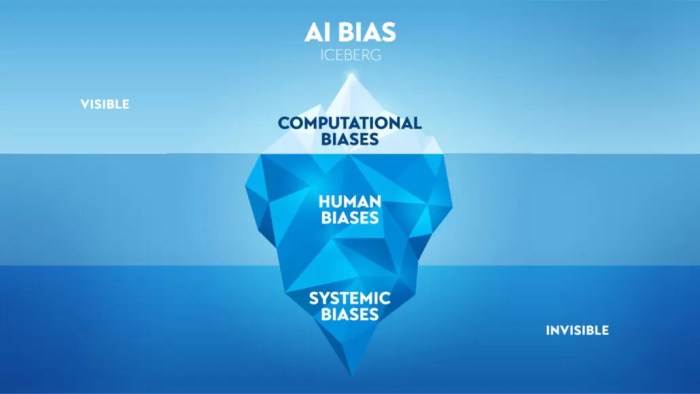
Data bias can arise from the datasets used to train the machine learning models. If the training data is skewed towards certain viewpoints, sources, or demographics, the application may inadvertently promote biased content. This can lead to a skewed or incomplete view of the news, potentially reinforcing existing biases or creating echo chambers. For example, if the training data predominantly features articles from a particular political leaning, the recommendation engine might over-represent those viewpoints, even if the user has a more balanced reading history.
Addressing data bias requires careful curation of training datasets, diverse data sources, and the implementation of techniques to mitigate bias in the algorithms.
Algorithm accuracy is another critical challenge. The accuracy of the machine learning algorithms directly impacts the relevance and quality of the recommended news articles. Inaccurate algorithms may lead to irrelevant or uninteresting articles being displayed, which can frustrate users and erode trust in the application. Achieving high accuracy requires robust algorithms, sufficient training data, and continuous monitoring and refinement of the models.
For example, an algorithm that misidentifies the topic of an article or fails to accurately assess user preferences will generate less effective recommendations. Real-world examples of inaccurate recommendation systems include the promotion of clickbait articles or the misclassification of news articles into irrelevant categories. Maintaining accuracy involves A/B testing, user feedback analysis, and ongoing model retraining.
Understanding the crucial role of user interface design in fostering a positive user experience is pivotal.

A well-designed user interface (UI) is not merely an aesthetic consideration; it is a critical determinant of an application’s success. In the context of an AI-powered news aggregator, the UI acts as the primary conduit through which users interact with the system, receive information, and customize their experience. A thoughtfully crafted UI fosters usability, engagement, and ultimately, user satisfaction. Conversely, a poorly designed UI can lead to frustration, confusion, and a diminished perception of the application’s value, regardless of the sophistication of its underlying AI algorithms.
The following discussion details the ideal UI layout for a customized news aggregator, highlighting its key components and design considerations.
Design the ideal user interface layout for a customized news aggregator app, including elements like content presentation, navigation, and personalization settings, elaborating on each component in 300 words.
The ideal UI for a customized news aggregator should prioritize clarity, intuitiveness, and personalization. The core design philosophy should be “information at a glance,” enabling users to quickly access relevant news and tailor their experience. The main content area should feature a dynamic, card-based layout. Each card represents a news article, displaying the headline, a concise summary (ideally auto-generated by the AI), the source, and a relevant image or video thumbnail.
Users should be able to easily swipe left or right to dismiss or save articles, and tap to expand for the full content. Navigation should be straightforward, utilizing a bottom navigation bar with clear icons for key sections: “Home” (the primary content feed), “Explore” (for discovering new sources and topics), “Saved” (for articles saved by the user), and “Settings” (for personalization).
Personalization settings should be readily accessible and intuitive, allowing users to define their interests (s, topics, sources), filter content based on sentiment or bias, and adjust the layout and notification preferences. The overall design should employ a clean, modern aesthetic, using a consistent color palette and typography to enhance readability and visual appeal. The UI should also be responsive, adapting seamlessly to different screen sizes and orientations.
A key element is providing clear visual feedback on user interactions, such as highlighting selected options or providing loading indicators during data retrieval.
Organize the user interface design elements, using bullet points to list the key sections and features of the app’s interface, like content feed, personalized settings, and news source selection.
The user interface is structured around several key sections, each contributing to a seamless and personalized news consumption experience. The following points Artikel these elements:
- Content Feed: The primary screen, presenting a dynamically updated stream of news articles tailored to the user’s preferences.
- Card-based layout: Displays articles with headlines, summaries, sources, and visuals.
- Filtering options: Enables users to filter by source, topic, sentiment, and date.
- Interaction options: Swipe gestures for saving/dismissing articles, and tap to expand for full content.
- AI-driven content ranking: Articles are prioritized based on user interest and engagement history.
- Personalized Settings: A dedicated section for customizing the user’s news experience.
- Interest selection: Users can specify s, topics, and categories of interest.
- Source selection: Allows users to choose preferred news sources.
- Bias filtering: Options to filter content based on perceived bias or sentiment.
- Notification preferences: Controls for frequency, content, and delivery of news alerts.
- Layout customization: Options to adjust font sizes, color themes, and display modes (e.g., light/dark mode).
- Explore Section: A section for discovering new content and sources.
- Topic recommendations: Suggests trending topics and relevant news categories.
- Source suggestions: Recommends new sources based on user interests and popularity.
- Search functionality: Enables users to search for specific topics, s, and sources.
- Saved Articles: A dedicated section for articles saved by the user.
- Categorization and tagging: Enables users to organize saved articles.
- Offline access: Allows access to saved articles even without an internet connection.
- Navigation Bar: Provides quick access to key sections.
- Home: Navigates to the primary content feed.
- Explore: Navigates to the explore section.
- Saved: Navigates to saved articles.
- Settings: Navigates to personalization settings.
Create a mock-up image description detailing the interface, emphasizing visual elements, colors, and the overall aesthetic appeal of the user interface.
The mock-up interface is characterized by a clean, modern design, utilizing a predominantly light color palette to enhance readability. The background is a soft, off-white, providing a neutral canvas for the content. The primary color is a deep, yet subtle, teal used for interactive elements like buttons, selection highlights, and the navigation bar icons. Headlines are rendered in a bold, sans-serif font, with a slightly larger font size to draw immediate attention.
Article summaries are displayed in a lighter, regular-weight font, creating a clear visual hierarchy.The content feed adopts a card-based layout, with each card featuring a prominent headline, a concise summary, the source’s logo, and a visually engaging image or video thumbnail. The cards are separated by subtle shadows, providing a sense of depth and visual organization. Swiping gestures are clearly indicated with subtle animations.
The bottom navigation bar is sleek and minimalist, with icons that are easily recognizable and intuitively understandable.The “Explore” section uses a grid layout to display topic and source recommendations, with clear labels and eye-catching imagery. The “Saved” section uses a similar card-based layout to the content feed, but with added features for categorization and tagging. The overall aesthetic is one of simplicity, clarity, and sophistication, aiming to provide a user-friendly and engaging news consumption experience.
The interface is designed to be visually appealing and intuitive, minimizing distractions and maximizing the user’s focus on the news content. The design adheres to established UI/UX principles, emphasizing usability, accessibility, and visual harmony.
Investigating the methods of personalization within the AI-driven news aggregator app is a vital aspect of the customization process.

Personalization is the cornerstone of a successful AI-powered news aggregator, transforming a generic information source into a tailored news experience. The effectiveness of such an application hinges on its ability to understand and cater to individual user preferences, ensuring relevant and engaging content delivery. This requires a multi-faceted approach, encompassing various techniques to create a customized news feed that resonates with each user.
Personalization Methods
The core of a personalized news aggregator lies in the diverse methods employed to understand and cater to individual user needs. These techniques, ranging from explicit user input to implicit behavioral analysis, collectively contribute to a dynamic and adaptive news feed.
- User Profiles: User profiles serve as the foundation for personalization. They store explicit information provided by the user, such as preferred news sources, topics of interest (e.g., sports, technology, politics), and geographical locations. This data allows the app to initially tailor the news feed to the user’s stated preferences.
- Advantages: Provides a direct and transparent way for users to control their news feed.
It allows for quick and accurate initial personalization, giving users a sense of control from the outset.
- Disadvantages: Relies on user input, which can be time-consuming and prone to inaccuracies. Users may not always know their preferences or may not consistently update their profile, leading to stale or inaccurate personalization.
- Advantages: Provides a direct and transparent way for users to control their news feed.
- Content Filtering: Content filtering algorithms analyze the characteristics of news articles, such as s, topics, sentiment, and source credibility. This information is then used to filter and rank articles based on their relevance to the user’s profile and historical behavior.
- Advantages: Automatically adapts to changing news trends and user interests. It can identify subtle preferences that users may not explicitly state, leading to a more nuanced and accurate personalization.
- Disadvantages: Requires sophisticated algorithms that can be computationally intensive. Over-reliance on filtering can lead to “filter bubbles,” where users are only exposed to information that confirms their existing biases, limiting their exposure to diverse perspectives.
- Behavioral Tracking: Behavioral tracking monitors user interactions within the app, such as articles read, time spent on articles, articles shared, and sources followed. This data is used to infer user preferences and adjust the news feed accordingly.
- Advantages: Provides a dynamic and adaptive form of personalization that learns from user behavior over time. It can identify evolving interests and predict future preferences.
- Disadvantages: Raises privacy concerns regarding data collection and usage. The algorithms can sometimes misinterpret user behavior, leading to inaccurate recommendations and a frustrating user experience.
Comparison of Personalization Techniques
Different personalization techniques offer distinct advantages and disadvantages. The following table illustrates how these techniques can be used to tailor the news feed, highlighting their strengths and weaknesses.
| Personalization Method | Description | Advantages | Disadvantages |
|---|---|---|---|
| User Profiles | Explicitly stated user preferences (topics, sources, location). | Simple to implement; provides immediate initial personalization. | Relies on user input; prone to inaccuracies and requires maintenance. |
| Content Filtering | Analysis of article characteristics (s, sentiment, source credibility). | Adapts to changing news trends; identifies subtle preferences. | Requires sophisticated algorithms; potential for “filter bubbles.” |
| Behavioral Tracking | Monitoring user interactions (articles read, time spent, shares). | Dynamic and adaptive; learns from user behavior over time. | Raises privacy concerns; can misinterpret user behavior. |
| Collaborative Filtering | Recommending articles based on the preferences of similar users. | Provides recommendations based on collective user behavior. | Requires a large user base; can be susceptible to popularity bias. |
Evolving Personalization Techniques
The personalization techniques of the news aggregator should evolve continuously to provide a better user experience. This evolution involves incorporating user feedback and adapting to changing user interests.
- Incorporating User Feedback: Implementing mechanisms for users to provide feedback on recommendations (e.g., thumbs up/down, “more like this,” “less like this”) is crucial. This feedback loop allows the app to refine its personalization algorithms and improve the accuracy of its recommendations.
- Adapting to Evolving User Interests: User interests are not static; they change over time. The app should continuously monitor user behavior and adjust its personalization strategies accordingly. This might involve identifying new topics of interest, recognizing shifts in preferred sources, and adapting to changes in reading habits. For example, if a user starts spending more time reading articles about climate change, the app should gradually increase the visibility of relevant content in their feed.
- A/B Testing: Regularly conducting A/B tests on different personalization algorithms and recommendation strategies can help to identify the most effective approaches. This iterative process of testing and refinement is essential for continuous improvement.
- Explainable AI: Providing users with insights into why certain articles are recommended can enhance transparency and build trust. Explaining the reasoning behind recommendations allows users to understand how the app is personalizing their feed and gives them more control over their news consumption.
Examining the significance of data privacy and security measures in the context of personalized news aggregation is crucial.
Data privacy and security are paramount in AI-powered news aggregators, particularly those offering personalized content. The collection, storage, and processing of user data necessitate robust safeguards to protect sensitive information and maintain user trust. Failure to implement adequate measures can lead to data breaches, misuse of personal data, and erosion of user confidence, ultimately hindering the app’s success and potentially violating legal and ethical standards.
Measures for Protecting User Data
Implementing a comprehensive approach to data protection is essential. This involves employing several key strategies:
- Encryption: Data encryption should be used both in transit and at rest. This means encrypting data as it moves between the user’s device, the app’s servers, and any third-party services. Encryption at rest involves encrypting data stored on servers and databases. The Advanced Encryption Standard (AES) is a widely used and secure encryption algorithm. This ensures that even if data is intercepted or accessed without authorization, it remains unreadable.
For example, when a user logs into the app, their password should be encrypted using a strong hashing algorithm like bcrypt before being stored.
- Anonymization and Pseudonymization: Where possible, user data should be anonymized or pseudonymized. Anonymization removes all personally identifiable information (PII) from the data, making it impossible to link the data back to an individual. Pseudonymization replaces PII with pseudonyms, allowing for data analysis without directly revealing the user’s identity. This reduces the risk of re-identification and protects user privacy. For instance, the app could analyze general trends in news consumption habits without knowing which specific users are reading which articles.
- Consent Management: Users must be informed about how their data is collected, used, and shared. Clear and concise consent mechanisms should be implemented. This includes obtaining explicit consent before collecting any sensitive data, such as location data or personalized preferences. Users should be given granular control over their data and the ability to withdraw consent at any time. This can be achieved through a user-friendly privacy dashboard within the app.
For example, a user should be able to choose whether or not to allow the app to track their reading history for personalized recommendations.
- Data Minimization: Only the minimum amount of data necessary should be collected and retained. The principle of data minimization helps to reduce the attack surface and limit the potential impact of a data breach. The app should regularly review the data it collects and delete any data that is no longer needed. For example, if the app doesn’t require a user’s phone number, it shouldn’t collect it.
- Regular Security Audits and Penetration Testing: The app’s security measures should be regularly audited by independent security experts to identify vulnerabilities. Penetration testing, also known as ethical hacking, simulates real-world attacks to identify weaknesses in the app’s security. This ensures that the app’s security is robust and up-to-date.
Potential Security Risks and Mitigation Strategies
Data collection and processing in news aggregation apps are exposed to several security risks:
- Data Breaches: Unauthorized access to user data can result in significant harm, including identity theft and financial loss.
- Mitigation: Implement strong encryption, robust access controls, and regular security audits.
- Malware and Phishing Attacks: Malicious actors could target users through compromised news articles or links within the app.
- Mitigation: Scan all news content for malware, implement phishing detection mechanisms, and educate users about security threats.
- Man-in-the-Middle Attacks: Attackers can intercept data transmitted between the user’s device and the app’s servers.
- Mitigation: Use HTTPS for all communications, implement certificate pinning, and regularly update security certificates.
- Denial-of-Service (DoS) Attacks: Attackers can overwhelm the app’s servers, making the service unavailable to users.
- Mitigation: Implement DoS protection mechanisms, such as rate limiting and traffic filtering.
- Insider Threats: Malicious or negligent employees can misuse user data.
- Mitigation: Implement strict access controls, conduct background checks, and monitor employee activity.
Communicating Data Privacy Policies
Transparency is key to building trust with users. The app must communicate its data privacy policies in a clear and accessible manner:
- Privacy Policy: A comprehensive privacy policy should be easily accessible within the app and on the app’s website. The policy should clearly Artikel:
- What data is collected.
- How the data is used.
- Who the data is shared with.
- User rights regarding their data (e.g., access, rectification, deletion).
- Contact information for privacy inquiries.
- User-Friendly Language: The privacy policy should be written in plain language, avoiding technical jargon that users may not understand. Use clear and concise sentences.
- Privacy Dashboard: A dedicated privacy dashboard within the app should allow users to:
- View and manage their personal data.
- Control their privacy settings (e.g., opting in/out of personalized recommendations).
- Access their data portability rights (e.g., downloading their data).
- Notifications and Updates: Users should be notified of any significant changes to the privacy policy. The app should also provide clear explanations of how these changes affect users’ data.
- Regular Reviews and Updates: The privacy policy should be regularly reviewed and updated to reflect changes in data collection practices, legal requirements, and industry best practices.
Analyzing the integration of various news sources into the AI-powered news aggregator is essential for providing diverse content.
The ability of an AI-powered news aggregator to effectively integrate diverse news sources is critical to delivering a comprehensive and unbiased news experience. This process involves sourcing, filtering, and curating content from various origins, each presenting unique challenges and opportunities. The goal is to provide users with a wide range of perspectives and information, promoting a more informed understanding of the world.
Identifying News Source Types and Their Integration
The integration of different news sources into an AI-powered aggregator is a multifaceted process. Each source type presents its own set of advantages and disadvantages.
- Established Media Outlets: These sources, including major newspapers and broadcast networks, typically offer high-quality journalism, rigorous fact-checking processes, and in-depth reporting. Integrating these sources provides a foundation of credible and reliable information. However, challenges include potential paywalls, variations in content formatting, and the need for algorithms to identify and mitigate inherent biases. The opportunity lies in leveraging their established reputations and the breadth of their coverage.
- Blogs: Blogs can provide niche coverage, specialized expertise, and alternative perspectives often absent in mainstream media. The challenge is verifying the credibility of bloggers and ensuring the accuracy of their content, as fact-checking processes may be less stringent. The opportunity is to provide users with diverse viewpoints and uncover emerging trends.
- Social Media Platforms: Social media platforms offer real-time news updates and breaking news coverage, often directly from eyewitnesses. The primary challenge is the rapid spread of misinformation and the difficulty in verifying the accuracy of content. Algorithms must be designed to filter out fake news and identify credible sources. The opportunity lies in providing up-to-the-minute information and facilitating user interaction.
Sourcing, Filtering, and Curating News Content
The process of sourcing, filtering, and curating news content from diverse sources is essential for maintaining accuracy and credibility within the AI-powered news aggregator. This process relies heavily on sophisticated algorithms and human oversight.
The process begins with the identification of a broad spectrum of news sources, followed by the collection of content from each source. Then, the system applies a series of filters. These filters can include natural language processing (NLP) techniques to identify the topic, sentiment analysis to gauge the tone, and fact-checking algorithms to assess the accuracy of the information. Furthermore, these algorithms use machine learning to identify and penalize sources known for spreading misinformation.
Finally, the curated content is presented to the user in a personalized feed, which prioritizes content based on the user’s preferences and reading history. This process ensures that users receive relevant, reliable, and diverse information.
Diagram of News Content Flow
The diagram illustrates the flow of news content from various sources to the user’s personalized feed.
1. News Sources: (Established Media Outlets, Blogs, Social Media Platforms)
2. Content Acquisition: (Content is fetched from each source via APIs or web scraping.)
3. Pre-processing: (Content is parsed, cleaned, and standardized.)
4. Filtering and Analysis: (NLP, Sentiment Analysis, Fact-checking, Bias Detection)
5. Content Curation: (Filtering, Prioritization, Personalization based on User Preferences and Reading History)
6. Personalized Feed: (Content is presented to the user in a customized format.)
Exploring the business models that could sustain the development and operation of a customized news aggregator app is important.: Ai Powered News Aggregator App Customized
The financial sustainability of a customized AI-powered news aggregator app hinges on the selection of an appropriate business model. This model must align with the app’s target audience, content offerings, and user experience goals. A well-chosen model not only ensures revenue generation but also supports ongoing development, maintenance, and the integration of new features, including advanced AI functionalities and personalization algorithms.
Several monetization strategies can be employed, each presenting its own advantages and disadvantages.
Monetization Strategies
Various monetization models are available for a news aggregator app, each impacting the user experience and revenue generation differently.
- Advertising-Based Model: This model generates revenue through the display of advertisements within the app.
Different ad formats, such as banner ads, native ads (integrated into the content feed), and video ads, can be employed. The advantage lies in the potential for high reach, as the app remains free to use, attracting a broader audience. However, the primary disadvantage is the potential for user annoyance and decreased engagement if ads are intrusive or irrelevant.
Implementing effective ad targeting, based on user preferences and content consumption patterns, is crucial to minimize disruption and maximize ad revenue. For example, Google’s AdMob platform offers sophisticated targeting capabilities that can significantly improve ad relevance and user experience.
- Subscription-Based Model: This model involves charging users a recurring fee for access to the app’s features or content.
This can include premium content, ad-free experience, advanced personalization options, or exclusive features like offline reading. The primary advantage is the potential for a predictable and recurring revenue stream, fostering financial stability. However, the major disadvantage is the need to convince users to pay for the service, potentially limiting the user base.
Offering tiered subscription plans, with varying levels of access and features, can cater to a wider range of users. For instance, a basic plan might offer an ad-free experience, while a premium plan includes access to exclusive content and advanced personalization features.
- Freemium Model: This model combines aspects of both advertising and subscription models.
The app offers a basic version for free, supported by advertising, while premium features and content are available through a subscription. This approach allows the app to attract a large user base through the free version, while generating revenue from users willing to pay for enhanced features. The key challenge is to find the right balance between free and paid features to encourage subscriptions without alienating free users.
Offering a limited number of articles per month for free, or restricting certain advanced personalization features, can incentivize users to subscribe. Spotify’s freemium model, where users can listen to music with ads or subscribe for an ad-free experience and offline listening, serves as a successful example.
- Premium Features: Offering specific, high-value features for a one-time or recurring fee.
This can include advanced AI-driven analysis tools, in-depth data visualizations, or access to exclusive reports. This approach can generate significant revenue from a niche audience willing to pay for specialized functionalities. However, the target audience is typically smaller, and the features must offer substantial value to justify the price.
For example, a news aggregator could offer a “market analysis” feature, using AI to provide detailed reports on financial trends, appealing to investors and financial professionals.
Target Audience and Monetization Strategy Alignment, Ai powered news aggregator app customized
Identifying the app’s target audience is crucial for selecting the most appropriate monetization strategy.
- Casual News Readers: A large, diverse audience with a broad range of interests. The most suitable model would be a freemium or advertising-based model.
The free version with ads provides accessibility, while a subscription can offer an ad-free experience and advanced features. The goal is to maximize user engagement and reach.
- Tech-Savvy Users: Individuals interested in cutting-edge technology and personalized experiences. Subscription models or premium features are suitable.
These users may be willing to pay for advanced AI-driven features, ad-free experiences, and exclusive content.
- Professionals and Experts: Individuals seeking in-depth analysis, specialized content, and advanced tools. A premium feature model is highly appropriate.
These users may be willing to pay for tools that enhance their productivity and access to specialized information, such as market analysis or in-depth reports.
Balancing Revenue Generation with User Experience
Maintaining a positive user experience is paramount for long-term success.
- Non-Intrusive Advertising: Implement advertising strategies that minimize disruption.
Use native ads, targeted ads, and allow users to control ad frequency and types. Avoid excessive or irrelevant ads that can frustrate users.
- Transparent Pricing: Clearly communicate the value of subscription plans and premium features.
Provide a clear understanding of what users receive for their investment and avoid hidden fees or deceptive practices.
- Personalization and Customization: Leverage AI to personalize the user experience.
Offer users control over content preferences, ad targeting, and feature customization. This enhances user satisfaction and reduces the likelihood of churn.
- User Feedback and Iteration: Continuously collect user feedback and iterate on the app’s features and monetization strategies.
Regularly analyze user behavior and adjust the app’s design, content, and monetization to improve user experience and revenue generation.
Investigating the challenges of scaling an AI-powered news aggregator app to accommodate a growing user base is important.
Scaling an AI-powered news aggregator app presents significant technical hurdles that must be addressed to ensure continued performance and user satisfaction as the user base expands and the volume of content increases. These challenges span various aspects of the application’s infrastructure, from the underlying server architecture to the sophisticated algorithms driving content personalization. Successfully navigating these scaling challenges is critical for maintaining a responsive and reliable service, preventing performance bottlenecks, and accommodating the influx of new users and data.
Server Infrastructure Challenges
The server infrastructure forms the backbone of any application, and scaling it to handle increased traffic and data volume is paramount. As the user base grows, the demand for processing power, memory, and storage increases exponentially.
- Resource Allocation: Initial server configurations may be inadequate to handle the surge in concurrent users and data requests. The system must be able to dynamically allocate resources, such as CPU, RAM, and bandwidth, to meet the fluctuating demands. Failure to do so can result in slow loading times, service interruptions, and a degraded user experience. Cloud-based infrastructure, such as Amazon Web Services (AWS), Google Cloud Platform (GCP), or Microsoft Azure, offers significant advantages in this regard, providing elastic scaling capabilities.
For example, AWS Auto Scaling can automatically adjust the number of EC2 instances based on predefined metrics, ensuring optimal resource utilization.
- Database Performance: The database is responsible for storing and retrieving vast amounts of data, including user profiles, news articles, and recommendation logs. As the data volume grows, database performance can become a significant bottleneck. Strategies such as database sharding (splitting the database across multiple servers), caching frequently accessed data, and optimizing query performance are essential. For example, sharding can distribute the load across multiple database servers, improving read and write performance.
- Load Balancing: Load balancers distribute incoming network traffic across multiple servers, preventing any single server from becoming overloaded. This is crucial for ensuring high availability and responsiveness. Load balancing can be implemented at various levels, including hardware load balancers and software-based solutions. Implementing a load balancer helps distribute the load across multiple servers, preventing any single server from becoming overloaded and ensuring a smooth user experience.
Data Processing Challenges
The AI-powered news aggregator relies on sophisticated data processing pipelines to ingest, analyze, and personalize content. Scaling these pipelines to handle a growing volume of data is a complex task.
- Data Ingestion: The system must efficiently ingest data from various news sources, which can include structured data (e.g., RSS feeds) and unstructured data (e.g., HTML web pages). This requires robust parsing, extraction, and transformation processes. Using message queues like Apache Kafka can help handle the ingestion of a large volume of data from various sources.
- Natural Language Processing (NLP): NLP tasks, such as text analysis, topic extraction, and sentiment analysis, are computationally intensive. Scaling these processes requires optimizing NLP models, parallelizing computations, and utilizing hardware accelerators like GPUs. Using specialized hardware, such as GPUs, to accelerate NLP tasks significantly reduces processing time.
- Data Storage and Retrieval: Efficiently storing and retrieving processed data is crucial. This involves selecting appropriate data storage solutions, such as NoSQL databases or data warehouses, and optimizing data retrieval queries. Consider using data warehouses like Snowflake for analytical tasks and NoSQL databases like MongoDB for storing unstructured data.
Recommendation Engine Performance Challenges
The recommendation engine is the core of the personalized news experience, and its performance directly impacts user engagement and satisfaction.
- Scalability of Recommendation Algorithms: As the user base grows, the complexity of recommendation algorithms increases. Collaborative filtering, content-based filtering, and hybrid approaches can become computationally expensive. Implementing techniques like model parallelism and distributed computing can help scale these algorithms. Using distributed computing frameworks like Apache Spark to train and run recommendation models enables efficient processing of large datasets.
- Cold Start Problem: New users lack historical data, making it difficult to provide accurate recommendations. This can be addressed through strategies such as utilizing content-based filtering or default recommendations based on popular articles. Providing recommendations based on trending articles helps engage new users until their preferences are established.
- Real-time Recommendations: Delivering real-time recommendations requires efficient data processing and low-latency access to user data. Caching, pre-computation, and optimized data retrieval are essential. Implementing caching mechanisms to store pre-computed recommendations reduces latency and improves responsiveness.
Scaling Strategies and Examples
Several scaling strategies can be implemented to address the challenges Artikeld above.
- Horizontal Scaling: Adding more servers to handle increased load. This can be done by adding more instances of the application server, database server, or other components. Horizontal scaling provides the ability to handle increased traffic and data volume.
- Vertical Scaling: Upgrading existing servers with more powerful hardware, such as more CPU cores, RAM, and storage. Vertical scaling can improve the performance of individual components.
- Caching: Storing frequently accessed data in a cache to reduce the load on the database and improve response times. Redis and Memcached are popular caching solutions.
- Content Delivery Network (CDN): Distributing content across multiple servers geographically closer to users to reduce latency. CDNs store copies of the content on servers around the world, so users can access the content from the server closest to them.
- Microservices Architecture: Breaking down the application into smaller, independent services that can be scaled independently. Each service can be scaled independently, allowing for optimized resource allocation.
- Example: Consider a news aggregator using a collaborative filtering recommendation engine. As the user base grows, the system could implement the following:
- Horizontal scaling of the application servers using a load balancer.
- Database sharding to distribute user data across multiple database servers.
- Caching of frequently accessed user profiles and article data using Redis.
- Implementation of a CDN to serve images and other static content.
- Migration to a microservices architecture to allow independent scaling of the recommendation engine, data ingestion pipeline, and user authentication service.
Continuous Monitoring and Optimization
Continuous monitoring and optimization are critical for maintaining the app’s performance as it scales.
- Performance Monitoring: Implementing tools to monitor key performance indicators (KPIs), such as response times, error rates, and resource utilization. Tools like Prometheus, Grafana, and Datadog can be used for this purpose.
- Logging and Alerting: Logging application events and setting up alerts to notify administrators of potential issues. Centralized logging solutions like the ELK stack (Elasticsearch, Logstash, Kibana) can be used.
- Performance Testing: Regularly conducting performance tests to identify bottlenecks and optimize the application. Load testing tools like JMeter and Gatling can be used to simulate user traffic.
- A/B Testing: Conducting A/B tests to evaluate the impact of changes on performance and user experience.
- Example: If the application experiences slow loading times, the monitoring system would alert the administrators. The administrators could then use performance monitoring tools to identify the bottleneck, such as a slow database query or a CPU-intensive NLP task. The administrators could then optimize the query or scale the NLP task by adding more resources.
Considering the ethical implications of using AI in news aggregation, particularly regarding bias and misinformation, is a key consideration.
The integration of Artificial Intelligence (AI) into news aggregation presents significant ethical challenges. While AI offers the potential to personalize news feeds and provide users with efficient access to information, it also introduces risks related to algorithmic bias and the propagation of misinformation. Addressing these ethical concerns is crucial to ensure that the application fosters informed citizenry and upholds journalistic integrity.
The development and deployment of an AI-powered news aggregator must prioritize fairness, transparency, and accountability to mitigate potential harms.
Algorithmic Bias and the Spread of Misinformation
Algorithmic bias and the spread of misinformation are key ethical concerns within AI-powered news aggregators. AI algorithms, particularly those based on machine learning, are trained on data. If this training data reflects existing societal biases, the algorithm may perpetuate and amplify these biases in its recommendations. This can lead to users being exposed to a narrow range of perspectives, reinforcing existing beliefs and limiting their understanding of diverse viewpoints.
The “filter bubble” effect, where users are primarily exposed to information confirming their existing beliefs, is a significant risk.Furthermore, AI algorithms can inadvertently promote misinformation. Misinformation, including false or misleading information, can spread rapidly through social media and news platforms. AI algorithms may amplify the reach of misinformation if they are not designed to identify and filter it effectively. This can have serious consequences, as it can influence public opinion, undermine trust in credible sources, and even incite violence or discrimination.
The algorithms’ inherent limitations in understanding context, detecting satire, and verifying the veracity of sources make them susceptible to manipulation by those seeking to spread false information.The impact of these issues on users can be profound. Users may become misinformed about important issues, leading to poor decision-making and a distorted understanding of reality. The erosion of trust in credible news sources can also weaken the foundations of democracy and civic engagement.
Moreover, exposure to biased information can reinforce prejudices and stereotypes, leading to increased social division and conflict. For example, a news aggregator that consistently recommends articles from sources with a particular political leaning may reinforce a user’s existing political biases, making them less likely to consider alternative viewpoints and potentially leading to political polarization. This is further exacerbated when algorithms prioritize content based on engagement metrics (clicks, shares, likes), which can incentivize the spread of sensationalized or emotionally charged content, even if it is inaccurate.
The long-term consequences of these biases and misinformation can include a less informed citizenry, decreased social cohesion, and a weakened democratic process.
Mitigating Bias and Misinformation
Mitigating bias and misinformation requires a multi-faceted approach, incorporating content moderation, source verification, and transparency measures. The app’s design and operational procedures must be specifically crafted to address these issues.
- Content Moderation: Implementing robust content moderation policies is crucial. This involves using a combination of automated tools and human oversight to identify and remove or flag content that violates the app’s terms of service, including misinformation, hate speech, and incitement to violence. Automated tools can be used to detect patterns associated with misinformation, such as the use of specific s, the spread of content from known purveyors of misinformation, or the rapid dissemination of content across multiple platforms.
Human moderators can review flagged content and make judgments about its accuracy and appropriateness. This also includes the use of fact-checking organizations to verify information and flag articles accordingly.
- Source Verification: The app should implement a system for verifying the credibility of news sources. This could involve using a database of verified news organizations and providing users with information about the sources’ reputations, journalistic standards, and potential biases. Source credibility can be assessed using various metrics, including editorial independence, transparency of funding, and adherence to journalistic ethics. The app could also display information about the source’s political leanings, as determined by independent third-party assessments, to provide users with context.
- Transparency: Transparency is essential for building user trust and allowing users to understand how the app works. The app should provide clear explanations of how the AI algorithms work, how user data is used, and how content is selected and ranked. Users should be able to see the sources of information and understand why certain articles are being recommended to them.
The app should also provide users with the ability to customize their preferences and control the types of content they see. This can include options to diversify their news feed by including sources from different perspectives.
Ethical Guidelines for Development and Operation
The development and operation of the AI-powered news aggregator must adhere to a set of ethical guidelines that prioritize fairness, transparency, and accountability.
- Fairness: The app should be designed to avoid perpetuating or amplifying societal biases. This requires careful consideration of the training data used to develop the AI algorithms and ongoing monitoring to ensure that the app is not unfairly discriminating against any group or individual. The app should provide diverse content and perspectives to avoid the filter bubble effect.
- Transparency: The app should be transparent about how it works, how user data is used, and how content is selected and ranked. Users should be able to understand the factors influencing the content they see. Clear explanations of the algorithms and data sources should be readily available to users.
- Accountability: The app should be accountable for its actions and decisions. This means having mechanisms in place to address user complaints, correct errors, and ensure that the app is operated responsibly. This includes establishing a clear process for addressing misinformation and responding to user feedback.
- User Control: The app should provide users with control over their news feeds and preferences. This includes options to customize the types of content they see, the sources they trust, and the algorithms that influence their recommendations. Users should be able to easily adjust their settings to ensure they are receiving a balanced and diverse range of information.
- Data Privacy and Security: The app must prioritize data privacy and security. User data should be collected and used responsibly, with clear privacy policies and robust security measures in place to protect user information from unauthorized access or misuse. Data should be anonymized where possible and used only for the purposes for which it was collected.
Illustrating the future prospects and potential advancements for AI-powered news aggregator apps customized for user preferences is necessary.
The evolution of AI-powered news aggregator applications is far from complete. The future promises a landscape rich with innovation, driven by advancements in artificial intelligence, user interface design, and emerging technologies. This section explores the potential trajectory of these applications, focusing on emerging trends, new features, and the capacity to adapt to future technological shifts and user expectations. The goal is to paint a picture of what a cutting-edge news aggregator might look like, offering a glimpse into the future of personalized information consumption.
Emerging Trends and Enhanced User Experience
The integration of augmented reality (AR), virtual reality (VR), and voice interfaces represents a significant leap forward in how users interact with news content. These technologies have the potential to transform the user experience from passive consumption to immersive engagement.
- Augmented Reality (AR): AR can overlay digital information onto the real world. Imagine reading a news article about a historical landmark and, through your phone’s camera, seeing a 3D reconstruction of the landmark superimposed onto your view of its current location. Or, consider news about a sporting event, where AR could provide real-time statistics and player information displayed directly within your field of vision as you watch the game on your television.
AR’s ability to contextualize information and create interactive experiences offers a significant advantage over traditional text-based interfaces. For example, a news article about a scientific breakthrough could be accompanied by an AR model of the scientific apparatus, allowing users to explore the concept interactively. This would dramatically improve comprehension and engagement.
- Virtual Reality (VR): VR creates entirely immersive digital environments. News organizations could create VR experiences that transport users to the scene of a news event. Users could, for example, experience a virtual tour of a war-torn city, interact with virtual characters, or explore the context of a developing story in a fully immersive environment. VR also has the potential to enhance data visualization.
Complex datasets, such as economic trends or climate change projections, could be presented in visually compelling and easily understandable VR environments, improving user understanding and retention. For instance, a news article on global warming could be paired with a VR simulation showing the effects of rising sea levels on coastal cities.
- Voice Interfaces: Voice assistants like Siri, Alexa, and Google Assistant are already commonplace. In the future, news aggregator apps will likely be controlled primarily by voice commands. Users could simply say, “Read me the top headlines,” “Tell me about climate change,” or “Show me articles on the latest tech innovations.” AI-powered voice interfaces will also be able to personalize the news experience even further.
The system could learn the user’s vocal patterns, intonation, and even emotional cues to deliver news in a way that resonates with their individual preferences. For example, a user who is visually impaired could access news content entirely through voice interaction, creating a truly accessible experience.
Potential New Features and Functionalities
Beyond the integration of new technologies, the core functionality of AI-powered news aggregators can be enhanced with innovative features that further personalize the user experience and provide more in-depth content.
- Collaborative Filtering: This technique, already used in recommendation systems for movies and music, can be applied to news aggregation. Collaborative filtering analyzes the reading habits of users with similar interests to suggest relevant articles. If a user consistently reads articles about technology and space exploration, the system could recommend articles that other users with similar interests have found valuable. This expands the user’s horizons by exposing them to content they might not have otherwise encountered.
This also addresses the “filter bubble” problem, as the system can suggest diverse content based on the collective preferences of a wider audience.
- Content Summarization: The ability to summarize lengthy articles is becoming increasingly important in an era of information overload. AI can be trained to generate concise summaries of articles, allowing users to quickly grasp the main points without having to read the entire text. This feature can be further enhanced by providing different levels of summarization, from brief headlines to detailed summaries, giving users control over how much information they consume.
Furthermore, AI could summarize multiple articles on the same topic, highlighting key themes and contrasting different perspectives.
- Multilingual Support and Translation: In a globalized world, access to news from around the world is crucial. AI-powered news aggregators can offer real-time translation of articles into the user’s preferred language. This feature would break down language barriers and provide access to a broader range of news sources. Moreover, the app could be trained to identify and filter out unreliable or biased translations, ensuring that users receive accurate and trustworthy information.
- Sentiment Analysis and Contextual Understanding: Advanced AI algorithms can analyze the sentiment expressed in news articles (positive, negative, neutral) and the context in which information is presented. This enables the app to provide users with a nuanced understanding of the news. The system can identify potential biases and offer alternative viewpoints, helping users to form their own informed opinions. For example, the app could flag articles that use emotionally charged language or present a one-sided perspective, prompting users to seek out more balanced coverage.
Adaptation to Future Technological Advancements and User Preferences
The key to long-term success for AI-powered news aggregators lies in their ability to adapt to changing technologies and user preferences. This adaptability requires a flexible architecture, continuous learning capabilities, and a user-centric design philosophy.
- Modular Architecture: The app should be built with a modular architecture that allows for easy integration of new features and technologies. This modularity makes it simple to add support for emerging technologies such as AR/VR interfaces or to incorporate new AI algorithms as they become available.
- Continuous Learning and Improvement: The AI algorithms that power the app must be constantly learning and improving. This involves continuously analyzing user behavior, gathering feedback, and retraining the AI models to refine personalization and recommendation accuracy.
- User-Centric Design: The app’s design should be centered around the user’s needs and preferences. This involves conducting regular user research, gathering feedback, and iterating on the design to improve the user experience. The app should offer customization options that allow users to control the types of news they receive, the sources they trust, and the way the information is presented.
- Data Privacy and Security: Protecting user data and maintaining privacy will be paramount. The app must implement robust security measures to protect user data from unauthorized access and ensure compliance with privacy regulations. Transparency regarding data collection and usage is crucial for building trust with users.
By embracing these principles, AI-powered news aggregators can evolve to meet the challenges of the future and continue to provide users with a personalized, informative, and engaging news experience. The future of news consumption is likely to be dynamic, immersive, and highly tailored to individual needs and preferences.
Closing Notes
In conclusion, the ai powered news aggregator app customized is a complex interplay of technology, design, and ethical considerations. From the core algorithms driving personalization to the measures safeguarding user data and the strategies for maintaining a sustainable business model, the development and deployment of this application requires a multi-faceted approach. As the field of AI continues to evolve, the future holds exciting possibilities for enhancing the user experience, but it also necessitates a commitment to ethical practices and responsible innovation.
The successful implementation of these apps will depend on balancing technological advancements with a commitment to user privacy, data security, and ethical considerations.
Question & Answer Hub
What is the primary advantage of a customized news aggregator app?
The primary advantage is the ability to deliver highly relevant news content tailored to individual user interests, saving time and improving the user experience by filtering out irrelevant information.
How does the app handle potential biases in news sources?
The app mitigates bias through a combination of content moderation, source verification, and transparency. It may also provide users with options to diversify their news sources.
What security measures are typically implemented to protect user data?
Common security measures include encryption of user data, anonymization techniques, and clear consent management practices to ensure user privacy and data security.
How is the app’s performance maintained as the user base grows?
Performance is maintained through strategic scaling of server infrastructure, optimized data processing, and continuous monitoring of the recommendation engine to handle increased user traffic and content volume.