AI Powered Fitness Coach App A Comprehensive Weight Loss Guide
AI powered fitness coach app for weight loss is revolutionizing the fitness landscape, promising personalized guidance and support for individuals seeking to shed excess weight. This innovative approach leverages artificial intelligence to analyze user data, create tailored workout plans, and provide nutritional recommendations, effectively transforming the traditional weight loss journey. This exploration delves into the core functionalities, data security measures, dietary integration, and the overall impact of these apps, evaluating their potential to reshape how we approach fitness and weight management.
The core of these applications lies in their ability to personalize the fitness experience. AI algorithms analyze user data from various sources, including wearable devices, manual input, and feedback, to create customized workout routines, meal plans, and motivational strategies. This data-driven approach allows for dynamic adjustments, adapting to the user’s progress, limitations, and preferences in real-time. Moreover, the integration of motivational techniques and psychological support, coupled with advanced data analysis, promises to enhance user engagement and adherence to fitness goals.
Exploring the core functionalities an AI powered fitness coach app should possess to effectively guide weight loss journeys.

An AI-powered fitness coach app offers a personalized and data-driven approach to weight loss. The effectiveness of such an app hinges on its ability to provide tailored guidance, monitor progress, and adapt to individual needs. This requires the integration of several core functionalities, from creating customized workout plans to analyzing user data for continuous improvement. The following sections will detail the essential features required for an effective AI-powered fitness coach app.
The success of an AI-powered fitness coach relies on several key features working in concert to provide a comprehensive and effective weight loss program. These features must be user-friendly and provide actionable insights for achieving and maintaining weight loss goals.
Personalized Workout Plans
Personalized workout plans are a cornerstone of effective weight loss programs. The AI analyzes user data to create customized exercise routines that consider individual fitness levels, goals, preferences, and limitations. This personalization increases adherence and maximizes the efficiency of workouts.
Here’s a breakdown of the key elements:
- Fitness Assessment: The app should begin with a comprehensive fitness assessment. This may include questions about current activity levels, exercise history, medical conditions, and weight loss goals. The assessment could also involve a basic physical fitness test to measure things like endurance and flexibility.
- Workout Customization: Based on the assessment, the AI generates a workout plan. This plan should include the type of exercises (e.g., cardio, strength training), the duration and intensity of each workout, and the frequency per week. The AI should also suggest modifications based on the user’s progress and feedback.
- Progression: The workout plan must adapt over time. As the user’s fitness improves, the AI should gradually increase the intensity, duration, or complexity of the exercises. This progressive overload is crucial for continued weight loss and fitness gains.
- Variety: To prevent boredom and plateaus, the app should offer a variety of exercises and workout styles. This could include options like HIIT (High-Intensity Interval Training), yoga, Pilates, and weightlifting.
Nutritional Guidance and Meal Planning
Weight loss is significantly impacted by dietary habits. The AI should provide nutritional guidance to complement the workout plans. This includes meal planning assistance, calorie tracking, and suggestions for healthy food choices.
- Calorie Tracking: The app should allow users to easily track their calorie intake. This can be achieved through a food database, barcode scanning, and manual entry. Accurate calorie tracking is essential for creating a calorie deficit, a fundamental requirement for weight loss.
- Meal Planning: The AI can generate meal plans based on the user’s dietary preferences, allergies, and calorie goals. These meal plans should include recipes and portion sizes.
- Nutritional Information: The app should provide detailed nutritional information for foods, including macronutrient breakdowns (protein, carbohydrates, and fats) and micronutrients (vitamins and minerals).
- Food Recommendations: The AI can suggest healthy food choices based on the user’s preferences and dietary restrictions. This could involve recommending specific meals, recipes, or even grocery lists.
Progress Tracking and Analysis
Tracking progress is crucial for maintaining motivation and making necessary adjustments to the weight loss plan. The AI should monitor various metrics, provide visualizations, and offer insights into the user’s progress.
- Weight Tracking: The app should allow users to log their weight regularly. This data can be visualized over time to show progress and identify trends.
- Body Measurements: Tracking body measurements (e.g., waist circumference, chest circumference) provides a more comprehensive picture of body composition changes than weight alone.
- Workout Performance: The app should track workout performance metrics such as sets, reps, weight lifted, and exercise duration. This data can be used to monitor progress and adjust the workout plan.
- Activity Tracking: Integration with wearable devices (e.g., smartwatches, fitness trackers) allows the app to track daily activity levels, including steps taken, distance traveled, and active minutes.
- Data Visualization: The app should present progress data in an easy-to-understand format, such as graphs and charts. This helps users visualize their progress and identify areas for improvement.
User Feedback and Adaptive Learning
The AI’s effectiveness hinges on its ability to learn from user feedback and adapt the workout and nutrition plans accordingly. This requires incorporating mechanisms for users to provide feedback and for the AI to analyze this feedback to personalize the user experience.
- Feedback Mechanisms: The app should provide various ways for users to provide feedback. This could include rating workouts, providing feedback on the difficulty of exercises, reporting injuries or discomfort, and indicating food preferences.
- Performance Analysis: The AI should analyze workout performance data to identify areas where the user is struggling or excelling. This data can be used to adjust the workout plan to provide additional support.
- Real-Time Adjustments: The AI should be able to make real-time adjustments to workouts based on user feedback during the exercise session. For example, if the user reports feeling fatigued, the AI could suggest reducing the intensity or taking a break.
- Nutritional Adjustments: Feedback on hunger levels, cravings, and energy levels can be used to refine the user’s meal plan.
Key Functionalities and User Experience
The table below showcases key functionalities and their impact on the user experience:
| Functionality | Description | User Benefit | User Experience |
|---|---|---|---|
| Personalized Workout Plans | Creates customized exercise routines based on user data, fitness level, and goals. | Maximizes workout effectiveness, increases adherence, and reduces the risk of injury. | Users receive tailored workouts that align with their individual needs and preferences, leading to a more engaging and effective experience. |
| Nutritional Guidance | Provides meal planning, calorie tracking, and food recommendations. | Supports healthy eating habits, helps create a calorie deficit, and ensures adequate nutrient intake. | Users can easily track their food intake, access healthy recipes, and receive guidance on making informed food choices. |
| Progress Tracking | Monitors weight, body measurements, workout performance, and activity levels. | Provides insights into progress, identifies areas for improvement, and motivates users to stay on track. | Users can visualize their progress through graphs and charts, helping them stay motivated and celebrate their achievements. |
| Adaptive Learning | Adjusts workout and nutrition plans based on user feedback and performance data. | Ensures the program remains effective, prevents plateaus, and addresses individual needs. | Users receive a dynamic and responsive program that evolves with their progress and feedback, leading to a highly personalized and effective experience. |
AI Adaptation Based on Real-Time Feedback
AI-powered apps can leverage sensor data and user input to adapt workout routines in real-time. For instance, heart rate monitors integrated with a wearable device can provide data on exercise intensity. If the user’s heart rate exceeds the target zone, the AI can suggest reducing the intensity of the exercise or taking a break. Similarly, a smart scale can track weight fluctuations.
If a user’s weight plateaus for a certain period, the AI can adjust the workout plan, increasing the intensity or modifying the exercise selection.
Here are some examples:
- Heart Rate Monitoring: During a cardio workout, the AI monitors the user’s heart rate via a wearable device. If the heart rate exceeds the target zone for an extended period, the AI prompts the user to reduce the intensity (e.g., slow down running speed or reduce incline). Conversely, if the heart rate is consistently below the target zone, the AI suggests increasing the intensity.
- Form Analysis: Using the camera on a smartphone or tablet, the AI can analyze the user’s form during exercises. If the AI detects improper form (e.g., incorrect squat depth or improper posture during a push-up), it provides real-time feedback and suggests modifications to prevent injury and improve effectiveness.
- Rate of Perceived Exertion (RPE): The AI can prompt the user to rate their perceived exertion level during a workout (e.g., on a scale of 1-10). Based on the RPE, the AI can adjust the workout intensity. For instance, if the user reports a high RPE (e.g., 8 or 9), the AI may suggest reducing the weight lifted or taking a longer rest period.
- Weight Tracking and Plateau Detection: The app tracks the user’s weight over time. If the user’s weight plateaus for a certain period (e.g., 2-3 weeks), the AI can recommend adjustments to the workout plan (e.g., increase the weight lifted, add new exercises, or modify the frequency of workouts) or nutritional plan (e.g., reduce daily calorie intake or change meal composition).
Investigating the importance of data privacy and security measures within an AI driven fitness app designed for weight loss.
Data privacy and security are paramount in the development and operation of an AI-driven fitness app, particularly one focused on weight loss. The sensitive nature of the data collected, encompassing personal health information, necessitates robust measures to protect user privacy and maintain trust. Failure to adequately address these concerns can lead to significant repercussions, including legal liabilities, reputational damage, and erosion of user confidence.
This section delves into the potential privacy risks, necessary data protection measures, and the implications of data breaches within the context of such an application.
Potential Privacy Risks Associated with User Health Data
The collection and storage of user health data within a weight loss app presents several inherent privacy risks. This data, which may include weight, body measurements, dietary habits, exercise routines, and potentially even biometric data like heart rate and sleep patterns, is highly sensitive. Unauthorized access, misuse, or disclosure of this information can lead to significant harm.
- Unauthorized Access and Data Breaches: Cyberattacks and security vulnerabilities can allow malicious actors to gain access to user data. This could result in the theft of personal information, including health records, which could be used for identity theft, financial fraud, or extortion. The frequency of data breaches in the healthcare sector highlights the vulnerability of such data. For instance, the 2023 MOVEit data breach, impacting hundreds of organizations, exposed sensitive data, including protected health information (PHI), demonstrating the persistent threat.
- Misuse of Data: User data could be misused for targeted advertising, discriminatory practices, or other purposes that are not aligned with user consent. For example, insurance companies might use the data to assess risk and adjust premiums, or employers could use it to make employment decisions, leading to unfair treatment or discrimination.
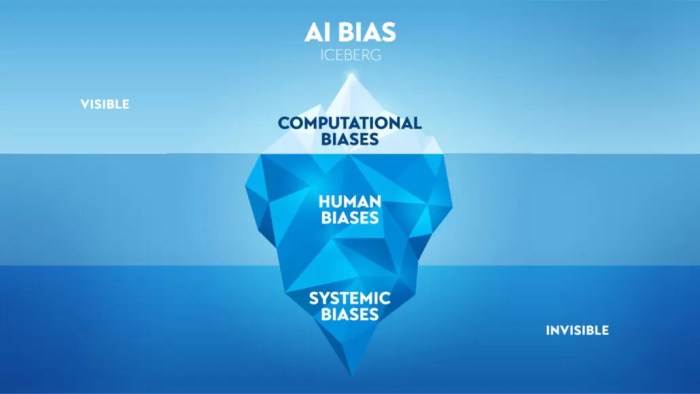
- Data Profiling and Discrimination: AI algorithms can be used to create detailed profiles of users based on their health data. This profiling could lead to discrimination in areas like insurance, employment, or even access to certain services. The potential for algorithmic bias in AI systems further exacerbates this risk, as biased algorithms could perpetuate or amplify existing societal inequalities.
- Data Leakage and Third-Party Risks: Data sharing with third-party vendors or partners poses additional privacy risks. If these third parties have inadequate security measures, user data could be compromised. Even anonymized data can be re-identified, posing a risk to user privacy. The Cambridge Analytica scandal, where user data from Facebook was harvested without consent and used for political purposes, is a stark reminder of the risks associated with data sharing.
Measures for Ensuring Data Protection
Implementing comprehensive data protection measures is crucial to mitigate the risks associated with user health data. These measures should encompass technical, organizational, and legal safeguards.
- Encryption: Data encryption, both in transit and at rest, is essential. This means encrypting data as it is being transmitted over the internet (e.g., using HTTPS) and encrypting the data stored on servers and devices. Encryption protects data from unauthorized access, even if a breach occurs. Robust encryption algorithms, such as AES-256, should be used.
- Anonymization and Pseudonymization: Where possible, user data should be anonymized or pseudonymized to minimize the risk of re-identification. Anonymization involves removing or altering personally identifiable information (PII) so that the data cannot be linked back to an individual. Pseudonymization involves replacing PII with pseudonyms, making it more difficult to identify individuals but still allowing for data analysis.
- Access Controls and Authentication: Implementing strict access controls and robust authentication mechanisms is crucial. This includes limiting access to user data to authorized personnel only, using strong passwords, multi-factor authentication (MFA), and regularly reviewing and updating access permissions. Role-Based Access Control (RBAC) can be used to ensure that users only have access to the data they need to perform their job functions.
- Data Minimization: Only collecting the minimum amount of data necessary to provide the service and achieve the app’s objectives is essential. This reduces the attack surface and minimizes the potential impact of a data breach. Regularly reviewing data collection practices and deleting data that is no longer needed can help to achieve data minimization.
- Regular Security Audits and Penetration Testing: Conducting regular security audits and penetration testing can identify vulnerabilities in the app’s security systems. These audits should be performed by independent security experts and should cover all aspects of the app, including the code, infrastructure, and data storage.
- Compliance with Regulations: Adhering to relevant data privacy regulations, such as the General Data Protection Regulation (GDPR) and the California Consumer Privacy Act (CCPA), is mandatory. This includes obtaining user consent for data collection, providing clear and transparent privacy policies, and implementing data subject rights, such as the right to access, rectify, and erase data.
- Data Breach Response Plan: Having a comprehensive data breach response plan is crucial. This plan should Artikel the steps to be taken in the event of a data breach, including how to identify and contain the breach, notify affected users and regulatory authorities, and mitigate the damage.
Scenarios of Data Breaches and Their Implications
Data breaches can have devastating consequences for both users and the app’s reputation. Several real-world examples illustrate the potential impact.
- Scenario 1: Healthcare Data Breach at Anthem (2015). In 2015, Anthem, a large health insurance company, experienced a data breach that exposed the personal information of nearly 80 million individuals. The compromised data included names, birthdates, Social Security numbers, and medical IDs. This breach resulted in significant financial losses, legal liabilities, and reputational damage for Anthem.
- Scenario 2: Fitness Tracker Data Leak (Various Incidents). Numerous fitness tracker companies have experienced data leaks, exposing user location data, health metrics, and other sensitive information. These breaches have raised concerns about user privacy and the potential for misuse of this data. The Strava heat map incident, which revealed the locations of military personnel, is a prime example of the security and privacy risks.
- Scenario 3: Impact on User Trust and App Reputation. A data breach can severely erode user trust and damage the app’s reputation. Users may lose confidence in the app’s ability to protect their data and may be less likely to use it or recommend it to others. This can lead to a decline in user engagement, a loss of revenue, and ultimately, the failure of the app.
To mitigate the impact of data breaches, the following measures are crucial:
- Prompt Notification: Notifying users and regulatory authorities of a data breach as quickly as possible is essential. Transparency is critical to maintain trust.
- Clear Communication: Providing clear and concise information about the breach, including what data was compromised and what steps are being taken to address the issue.
- Offering Remediation: Offering remediation measures, such as credit monitoring services or identity theft protection, to affected users.
- Reviewing and Improving Security: Conducting a thorough review of the app’s security systems and implementing measures to prevent future breaches.
Analyzing the integration of dietary recommendations and meal planning within the AI fitness coaching application for successful weight management.
Integrating dietary recommendations and meal planning within an AI-powered fitness coaching application is crucial for effective weight management. This integration provides a holistic approach, combining exercise with tailored nutritional guidance to optimize fat loss, improve metabolic health, and foster sustainable lifestyle changes. The synergy between workout routines and dietary strategies is fundamental for achieving weight loss goals, as it addresses both energy expenditure and caloric intake, the core principles of weight management.
Incorporating Nutritional Guidance into the AI Platform
Nutritional guidance complements workout routines by providing the necessary fuel and recovery support to achieve weight loss goals. The AI platform should provide personalized recommendations based on individual needs and goals, considering factors like activity level, body composition, and metabolic rate. This personalized approach enhances the effectiveness of exercise by optimizing nutrient timing and intake, crucial for maximizing performance and minimizing muscle loss during weight loss.
- Calorie Deficit Calculation: The AI should calculate an appropriate daily calorie deficit based on the user’s Basal Metabolic Rate (BMR), activity level, and desired weight loss rate. A typical recommendation for safe and sustainable weight loss is a deficit of 500-750 calories per day, which generally leads to a weight loss of 1-2 pounds per week.
- Macronutrient Distribution: The AI should provide recommendations for macronutrient intake (proteins, carbohydrates, and fats) based on the user’s goals. For example, a higher protein intake (around 1.6-2.2 grams per kilogram of body weight) can help preserve muscle mass during weight loss, while a moderate carbohydrate intake (around 30-40% of total calories) supports energy levels.
- Micronutrient Recommendations: The AI should highlight the importance of micronutrients (vitamins and minerals) and suggest dietary sources or supplements to ensure adequate intake. Deficiencies in essential micronutrients can hinder weight loss efforts and negatively impact overall health. For instance, adequate vitamin D levels are linked to improved fat loss and muscle function.
- Hydration Guidelines: The AI should emphasize the importance of hydration, recommending daily water intake based on individual factors like activity level and climate. Adequate hydration supports metabolic processes and can aid in appetite control.
- Meal Timing Strategies: The AI could offer guidance on meal timing, such as consuming a protein-rich meal after workouts to promote muscle recovery and growth. This is based on the understanding that protein synthesis is maximized within a certain timeframe post-exercise.
Generating Personalized Meal Plans
The AI can generate personalized meal plans based on individual dietary preferences, allergies, and calorie needs. This involves a multi-step process, utilizing user input and dietary databases to create customized meal options. The meal plans should be flexible and adaptable, allowing users to make substitutions and adjustments based on their needs and preferences.
- User Input and Assessment: The user provides information about their dietary preferences (e.g., vegetarian, vegan, gluten-free), allergies, intolerances, and activity level. This is crucial to avoid any harmful effects.
- Calorie and Macronutrient Calculation: Based on the user’s weight loss goals and activity level, the AI calculates the daily calorie needs and optimal macronutrient distribution.
- Food Database Integration: The AI utilizes a comprehensive food database, such as the USDA FoodData Central or the European Food Safety Authority (EFSA) database, to access nutritional information for various foods. This data includes calories, macronutrient content, and micronutrient profiles.
- Meal Generation: The AI generates meal suggestions based on the user’s preferences, calorie targets, and macronutrient ratios. The algorithm considers factors like food availability, seasonality, and ease of preparation. The algorithm could also integrate recipes from various sources, such as websites or databases.
- Meal Plan Customization: Users can customize the meal plan by swapping meals, adjusting portion sizes, and adding or removing foods based on their preferences.
- Example Meal Plan: A sample meal plan for a moderately active individual aiming to lose weight could look like this:
| Meal | Food | Portion Size | Calories | Protein (g) | Carbs (g) | Fat (g) |
|---|---|---|---|---|---|---|
| Breakfast | Oatmeal with Berries and Nuts | 1 cup oatmeal, 1/2 cup berries, 1 tbsp nuts | 350 | 15 | 50 | 10 |
| Lunch | Grilled Chicken Salad | 4oz grilled chicken, 2 cups mixed greens, 1 tbsp olive oil dressing | 400 | 35 | 25 | 20 |
| Dinner | Baked Salmon with Roasted Vegetables | 4oz salmon, 1 cup roasted vegetables | 450 | 30 | 30 | 25 |
| Snack | Greek Yogurt with Fruit | 1 cup Greek yogurt, 1/2 cup fruit | 200 | 20 | 20 | 5 |
| Total | 1400 | 100 | 125 | 60 |
Note: This is an example, and the AI would personalize this based on individual needs.
Tracking Food Intake and Making Informed Choices
The AI-powered application assists users in tracking their food intake and making informed food choices through various features and functionalities. This allows users to monitor their progress, identify areas for improvement, and stay accountable to their goals.
- Food Logging: The app should provide an easy-to-use food logging feature, allowing users to record everything they eat and drink. This could involve scanning barcodes, searching for foods in a database, or manually entering nutritional information.
- Food Database Integration: The app must integrate with a comprehensive food database, such as the USDA FoodData Central or a similar resource, to provide accurate nutritional information for a wide variety of foods. This database should be regularly updated to reflect the latest nutritional data.
- Portion Size Estimation: The app can provide tools for estimating portion sizes, such as visual guides or the ability to input measurements (e.g., cups, ounces).
- Nutrient Tracking: The app should track macronutrients (proteins, carbohydrates, and fats) and micronutrients (vitamins and minerals) consumed, providing users with a clear overview of their dietary intake.
- Progress Visualization: The app should visualize the user’s progress through charts and graphs, showing trends in calorie intake, macronutrient ratios, and weight loss over time. This helps users understand how their dietary choices impact their goals.
- Personalized Feedback: The AI can provide personalized feedback based on the user’s food log, highlighting areas where they are exceeding or falling short of their nutritional targets. This can include suggestions for healthier food choices or adjustments to portion sizes. For instance, the AI could alert the user if they are consistently consuming too much added sugar or not enough fiber.
- Smart Food Recommendations: Based on the user’s food log and preferences, the AI can offer smart food recommendations, suggesting healthier alternatives to the foods the user typically consumes.
Evaluating the role of wearable technology and other devices in enhancing the accuracy and effectiveness of AI powered fitness coaching.
Wearable technology and other connected devices play a crucial role in enhancing the capabilities of AI-powered fitness coaching applications. These devices provide a wealth of real-time physiological and activity data, which, when integrated with sophisticated AI algorithms, allows for personalized and highly effective weight loss programs. This section will explore the advantages and disadvantages of integrating these technologies, focusing on data accuracy, user engagement, and the optimization of data integration.
Benefits of Integrating Wearable Devices
The integration of wearable devices into an AI-powered fitness coaching application offers significant advantages in data collection and personalization. Smartwatches, fitness trackers, and other connected devices provide a continuous stream of user data, enabling the AI to gain a comprehensive understanding of the user’s physical condition and activity patterns.
- Comprehensive User Data Collection: Wearable devices capture a wide range of data points, including heart rate variability (HRV), sleep duration and quality, step count, activity duration, and intensity levels. This data allows the AI to create a holistic view of the user’s daily activity and overall health. For example, by tracking HRV, the AI can assess the user’s stress levels and recovery status, adjusting workout intensity accordingly.
- Personalized Workout Plans and Recommendations: The data collected from wearable devices enables the AI to create highly personalized workout plans. Based on the user’s current fitness level, activity patterns, and physiological responses, the AI can tailor workout routines to optimize calorie expenditure and promote weight loss. This personalization extends to dietary recommendations, as the AI can correlate activity levels with caloric intake to create a balanced diet plan.
- Real-Time Feedback and Motivation: Wearable devices provide real-time feedback to users during workouts, such as heart rate, pace, and distance. This immediate feedback helps users stay motivated and adjust their performance as needed. The AI can also use this data to provide encouragement and positive reinforcement, further enhancing user engagement and adherence to the program.
Accuracy Comparison of Wearable Devices
The accuracy of data collected by wearable devices varies depending on the technology used and the specific device. Understanding these differences is crucial for optimizing data integration and ensuring the reliability of the AI-powered coaching.
- Heart Rate Monitoring: Heart rate monitoring is a critical metric for assessing workout intensity and cardiovascular health. Optical heart rate sensors, commonly found in smartwatches and fitness trackers, use light to measure blood flow. The accuracy of these sensors can be affected by factors such as skin tone, sensor fit, and movement artifacts. Chest strap heart rate monitors, which use electrical signals to measure heart rate, are generally considered to be more accurate, particularly during high-intensity exercise.
- Activity Tracking: Activity trackers use accelerometers and gyroscopes to measure movement and calculate step count, distance, and activity duration. The accuracy of these measurements can vary depending on the device’s algorithm and the user’s activity. For example, some devices may misinterpret arm movements as steps. GPS-enabled devices provide more accurate distance and pace tracking, especially for outdoor activities.
- Sleep Tracking: Sleep trackers use accelerometers and heart rate sensors to monitor sleep patterns, including sleep duration, sleep stages (light, deep, REM), and sleep quality. The accuracy of sleep tracking can be affected by factors such as the device’s placement and the user’s sleep habits. Actigraphy, a method of measuring activity levels over extended periods, is often used to assess sleep patterns.
- Data Utilization by AI: The AI uses the data from wearable devices to refine workout plans and provide tailored recommendations. For example, if a user’s heart rate data indicates that they are consistently overexerting themselves during workouts, the AI can adjust the intensity and duration of the exercise. If the sleep data shows that the user is not getting enough sleep, the AI can recommend lifestyle changes to improve sleep quality.
The AI can also correlate activity levels with caloric intake to provide personalized dietary recommendations.
Advantages and Disadvantages of Wearable Devices and Data Optimization
While wearable devices offer significant benefits, they also have limitations. Understanding these advantages and disadvantages is essential for optimizing data integration and ensuring accurate insights and user motivation.
- Advantages:
- Continuous Data Collection: Wearable devices provide a constant stream of data, allowing the AI to track progress over time and identify trends.
- Personalized Insights: The data collected by wearable devices enables the AI to provide personalized workout plans, dietary recommendations, and motivational feedback.
- Increased User Engagement: Real-time feedback and progress tracking can enhance user motivation and adherence to the program.
- Disadvantages:
- Data Accuracy Concerns: The accuracy of data collected by wearable devices can vary depending on the device and the user’s activity.
- Battery Life Limitations: Some wearable devices have limited battery life, which can interrupt data collection.
- Cost and Accessibility: Wearable devices can be expensive, and not all users may have access to them.
- Optimizing Data Integration:
- Device Selection: Choosing devices with accurate sensors and reliable data collection capabilities is crucial.
- Data Validation: Implementing data validation techniques to identify and correct inaccurate data is essential.
- User Education: Educating users on how to use their devices correctly and interpret the data they collect can improve data quality.
- Multi-Source Data Integration: Integrating data from multiple sources, such as wearable devices, manual input, and food tracking apps, can provide a more comprehensive and accurate view of the user’s health and activity.
Assessing the impact of user interface and user experience design on user engagement and retention within the AI fitness app.
The user interface (UI) and user experience (UX) design of an AI-powered fitness app are critical determinants of its success, directly influencing user engagement, adherence to fitness routines, and ultimately, long-term retention. A well-designed app facilitates ease of use, provides motivation, and offers a personalized experience, leading to higher user satisfaction and sustained app usage. Conversely, a poorly designed app can lead to frustration, abandonment, and a failure to achieve weight loss goals.
Intuitive Navigation and Visually Appealing Interface
A positive user experience hinges on intuitive navigation and a visually appealing interface. Users should be able to effortlessly find information, track their progress, and interact with the app’s features. A cluttered or confusing interface can quickly deter users, while a clean, well-organized design encourages exploration and sustained engagement.
- Simplified Navigation: The app should employ a clear and consistent navigation structure, such as a bottom navigation bar or a side menu, to provide easy access to core functionalities like workout plans, meal tracking, progress dashboards, and settings. This reduces cognitive load and allows users to quickly find what they need.
- Visual Hierarchy: Utilizing visual hierarchy through the use of different font sizes, colors, and whitespace helps guide the user’s eye and emphasize important information. Key metrics, such as calories burned or weight loss progress, should be prominently displayed.
- Visual Appeal: A visually appealing interface, incorporating a consistent color scheme, high-quality graphics, and a modern design aesthetic, contributes to a positive user experience. This makes the app more enjoyable to use and reinforces a sense of professionalism and trustworthiness.
- Personalization: Allowing users to customize the app’s appearance, such as choosing themes or adjusting font sizes, can further enhance their sense of ownership and engagement.
Examples of Successful UI/UX Designs in Existing Fitness Apps
Existing fitness apps provide valuable insights into effective UI/UX practices. Analyzing these designs reveals best practices and areas for improvement.
Example:
MyFitnessPal: MyFitnessPal’s strength lies in its comprehensive food database and straightforward meal tracking interface. Users can easily log their meals, search for foods, and track their macronutrient intake. However, the interface can feel overwhelming due to the sheer volume of features and information displayed, potentially leading to information overload for some users. The progress tracking visuals are generally effective, but could be enhanced with more personalized insights.
Strengths: Comprehensive food database, straightforward meal tracking, clear progress visualization.
Areas for Improvement: Information overload, potential for a more personalized experience.
Example:
Nike Training Club: Nike Training Club excels in its visually appealing interface and high-quality workout videos. The app features a clean design, engaging animations, and clear instructions, making it easy for users to follow along with workouts. The social features, allowing users to connect with friends and share their progress, further enhance engagement. However, the app’s focus on pre-set workout routines may not fully cater to users with specific fitness goals or limitations.
Strengths: Visually appealing interface, high-quality workout videos, engaging animations, clear instructions, social features.
Areas for Improvement: Limited customization for specific fitness goals and limitations.
Example:
Peloton: Peloton’s success stems from its immersive workout experience, featuring live and on-demand classes led by charismatic instructors. The app’s interface is designed to create a sense of community and motivation, with leaderboards, shout-outs, and progress tracking displayed prominently. However, the subscription-based model and the reliance on Peloton equipment can be barriers to entry for some users.
Strengths: Immersive workout experience, community-driven features, clear progress tracking.
Areas for Improvement: Subscription cost, dependence on Peloton equipment.
Incorporating Gamification Elements
Gamification is a powerful strategy for motivating users and promoting adherence to fitness routines. By integrating game-like elements, such as progress tracking, rewards, and challenges, the app can make the weight loss journey more engaging and enjoyable.
- Progress Tracking: Visualizing progress through charts, graphs, and milestones provides users with a sense of accomplishment and encourages them to continue their efforts. Displaying weight loss, workout frequency, and adherence to dietary plans in an easily understandable format is crucial.
- Rewards and Badges: Rewarding users for achieving milestones, completing workouts, or adhering to dietary guidelines with badges, points, or virtual trophies provides positive reinforcement and motivates them to stay on track. These rewards can also unlock new content or features within the app.
- Challenges and Competitions: Introducing challenges and competitions, either individually or within a social context, can foster a sense of competition and encourage users to push themselves further. These challenges could involve completing a certain number of workouts, burning a specific number of calories, or achieving a weight loss target.
- Personalized Feedback: Providing users with personalized feedback on their performance, based on their progress and goals, can help them understand their strengths and weaknesses and make adjustments to their routines. This feedback can be delivered through push notifications, in-app messages, or progress reports.
Investigating the challenges of addressing diverse fitness levels and physical limitations in AI powered fitness coaching applications.
AI-powered fitness coaching applications face significant hurdles in tailoring workout plans to individuals with varying fitness levels and physical limitations. The success of these applications hinges on their ability to personalize training regimes effectively, ensuring both safety and progress for a diverse user base. This necessitates sophisticated algorithms and comprehensive data analysis to accommodate a wide spectrum of physical capabilities and needs.
Designing Workout Plans for Diverse Fitness Levels
The design of workout plans must consider the vast differences in user capabilities, ranging from sedentary individuals with little to no prior exercise experience to highly trained athletes. Creating a single, static workout plan is inherently ineffective; instead, AI must dynamically adjust the intensity, duration, and type of exercises based on the user’s current fitness level. This requires a multi-faceted approach.
- Baseline Assessment: A thorough initial assessment is crucial. This typically involves questionnaires, activity tracking (e.g., step count), and potentially, basic fitness tests (e.g., push-up or plank tests). This initial data provides a foundation for the AI to understand the user’s starting point.
- Progressive Overload: The principle of progressive overload, a cornerstone of effective training, should be implemented. This involves gradually increasing the workload over time. The AI can adjust the weight, repetitions, sets, or exercise duration as the user’s fitness improves.
- Exercise Modification: The AI must offer exercise modifications to suit different fitness levels. For instance, a beginner might perform push-ups against a wall, while an intermediate user performs them on their knees, and an advanced user performs them in a standard position.
- Real-time Feedback and Adjustment: The AI should continuously monitor the user’s performance during workouts, using data from wearable sensors (e.g., heart rate, motion sensors). This feedback loop allows for real-time adjustments to the workout, ensuring the user is challenged appropriately.
- Personalized Goal Setting: The AI should assist users in setting realistic and achievable goals, such as weight loss, muscle gain, or improved endurance. These goals should be personalized based on the user’s fitness level, lifestyle, and preferences.
Adapting Workout Routines Based on Individual Needs and Limitations
Accommodating physical limitations, such as injuries or chronic health conditions, adds another layer of complexity. The AI must be capable of recognizing these limitations and tailoring workout routines accordingly, prioritizing safety and rehabilitation.
- Medical Input and Integration: Users should have the option to input medical information, including diagnoses, injuries, and restrictions. Ideally, the application should integrate with healthcare providers (with appropriate privacy safeguards) to obtain relevant medical information and recommendations.
- Exercise Substitution: The AI must be able to substitute exercises that are contraindicated or cause pain. For example, if a user has a knee injury, the AI might replace squats with hamstring curls or glute bridges.
- Range of Motion Adjustments: The AI can modify exercises to accommodate limited range of motion. This might involve reducing the depth of a squat or using modified equipment.
- Intensity and Volume Control: The intensity (e.g., weight, speed) and volume (e.g., sets, reps) of exercises should be carefully controlled based on the user’s condition. The AI might prescribe low-impact exercises or shorter workout durations initially.
- Monitoring Pain and Discomfort: The AI should actively monitor for pain or discomfort during workouts. If the user reports pain, the AI should immediately stop the exercise or suggest modifications.
- Gradual Progression and Rehabilitation: For users recovering from injuries, the AI can guide them through a structured rehabilitation program, gradually increasing the intensity and complexity of exercises as they heal.
Virtual and Augmented Reality for Inclusive Fitness
Virtual Reality (VR) and Augmented Reality (AR) technologies offer promising avenues for creating immersive workout experiences that cater to diverse user needs, including those with physical limitations. These technologies can enhance accessibility and make fitness more engaging.
- Immersive Workout Environments: VR can transport users to virtual environments, such as beaches, mountains, or gyms, making workouts more enjoyable and less monotonous. This can be particularly beneficial for individuals who find traditional exercise environments unappealing or inaccessible.
- Personalized Training Scenarios: AR can overlay digital information onto the real world. This can be used to provide real-time guidance during exercises, show proper form, or offer personalized coaching cues.
- Accessibility Features: VR and AR applications can be designed with accessibility features, such as adjustable field of view, audio cues, and customizable interfaces, to accommodate users with visual or auditory impairments.
- Gamification and Motivation: VR and AR can incorporate gamified elements, such as points, rewards, and challenges, to increase user motivation and adherence to workout routines. This can be particularly helpful for individuals who struggle to stay motivated.
- Adaptive Workouts: VR and AR environments can be adapted to accommodate physical limitations. For example, a user with a mobility impairment could participate in a virtual cycling class, adjusting the intensity and duration based on their capabilities.
- Example: Imagine a user with limited mobility due to arthritis. They could use a VR application that allows them to perform modified yoga poses in a calming virtual environment. The application could track their movements and provide real-time feedback, ensuring they maintain proper form and avoid overexertion.
Exploring the methods of integrating motivational techniques and psychological support into the AI powered fitness coaching platform.
The success of any weight loss program hinges not only on physical activity and dietary adjustments but also on the psychological well-being and sustained motivation of the user. An AI-powered fitness coach can leverage various techniques to provide encouragement, manage psychological barriers, and facilitate a supportive environment, significantly enhancing user adherence and weight loss outcomes. This section delves into the specific methods employed to integrate motivational strategies and psychological support within the AI platform.
Providing Encouragement, Positive Reinforcement, and Personalized Messages, Ai powered fitness coach app for weight loss
AI can be programmed to deliver encouragement and positive reinforcement, fostering user engagement and adherence. This is achieved through a combination of data analysis, personalized messaging, and adaptive feedback mechanisms.
- Data-Driven Praise: The AI analyzes user data from various sources, including workout logs, dietary intake records, and wearable sensor data. When users achieve milestones, such as completing a workout, adhering to a meal plan, or reaching a weight loss target, the AI generates personalized messages of praise. For example, if a user consistently logs workouts for a week, the AI might send a message like, “Congratulations on completing your workouts this week! Your dedication is truly inspiring.
Keep up the great work!” This positive reinforcement, delivered at the right moment, reinforces positive behaviors.
- Personalized Goal Setting and Tracking: The AI facilitates the setting of achievable goals and provides real-time progress tracking. Users can visualize their progress through interactive dashboards and charts, which can be designed with a user-friendly interface to showcase their achievements. When a user surpasses a goal, the AI acknowledges the accomplishment and sets a new, slightly more challenging target, promoting a sense of continuous improvement.
- Adaptive Messaging: The AI can tailor its messages based on user behavior and emotional state. For example, if the AI detects a decline in activity or adherence to the meal plan, it can send messages designed to re-engage the user. If the user misses a workout, the AI might say, “Don’t worry about missing a workout! Let’s get back on track tomorrow.
How about a quick 20-minute session?” If a user reports feeling stressed, the AI could offer guided meditation or stress-reducing exercises.
- Utilizing Gamification: Incorporating gamification elements such as points, badges, and leaderboards can also increase user engagement and motivation. Users are awarded points for completing workouts, logging meals, or achieving weight loss goals. Badges can be earned for reaching specific milestones, such as “Workout Warrior” or “Meal Prep Master.” Leaderboards, when used with privacy settings, can foster a sense of community and competition, encouraging users to strive for greater achievements.
Addressing Potential Barriers to Weight Loss
Weight loss journeys are often fraught with challenges, including lack of motivation, emotional eating, and stress. An effective AI-powered coach must address these barriers proactively, offering strategies and support to overcome them.
- Lack of Motivation: The AI can detect patterns of inactivity or inconsistency in workout logs and meal entries. When a user’s motivation wanes, the AI can employ several strategies:
- Re-Evaluation of Goals: If the user is struggling, the AI can suggest re-evaluating their goals to ensure they are realistic and achievable. It can help the user break down large goals into smaller, more manageable steps, increasing the likelihood of success.
- Motivational Reminders: The AI can send personalized reminders to the user about their goals and the benefits of weight loss, such as improved health, increased energy, and enhanced self-esteem.
- Introducing Variety: The AI can suggest new workout routines or recipes to prevent boredom and keep the user engaged.
- Emotional Eating: The AI can be programmed to identify patterns associated with emotional eating, such as increased food logging during periods of stress or sadness.
- Stress Management Techniques: The AI can provide guided meditations, breathing exercises, or links to resources on stress management.
- Mindful Eating Strategies: The AI can offer tips on mindful eating, encouraging users to pay attention to their hunger and fullness cues.
- Journaling Prompts: The AI can prompt users to journal about their emotions and identify triggers for emotional eating.
- Stress Management: Chronic stress can hinder weight loss efforts. The AI can help users manage stress through several methods.
- Stress Assessments: The AI can administer brief questionnaires to assess the user’s stress levels and identify potential sources of stress.
- Personalized Stress Reduction Plans: Based on the assessment results, the AI can recommend personalized stress reduction plans, including exercises, meditation, and other stress-reducing activities.
- Connecting to External Resources: The AI can provide links to external resources, such as articles, videos, or apps related to stress management and mental health.
Providing Virtual Support Groups or Connecting Users with Professionals
Building a sense of community and providing access to professional guidance are crucial for long-term weight loss success. The AI can facilitate these connections.
- Virtual Support Groups: The AI can facilitate the creation of virtual support groups within the app, allowing users to connect with others who share similar goals and experiences. These groups can provide a platform for users to:
- Share their successes and challenges.
- Offer mutual encouragement and support.
- Ask questions and exchange tips.
- Participate in group challenges and activities.
- Connecting with Certified Fitness Professionals: The AI can connect users with certified fitness professionals, such as personal trainers, nutritionists, and therapists, for additional support and guidance. This can be achieved through:
- Direct Messaging: Users can communicate directly with professionals through the app, asking questions, seeking advice, and receiving personalized feedback.
- Scheduling Appointments: The AI can facilitate the scheduling of virtual consultations or in-person sessions with professionals.
- Integration of Professional Guidance: The AI can integrate the advice and recommendations of professionals into the user’s personalized weight loss plan.
- Moderation and Safety: To ensure the safety and effectiveness of the support groups, the AI should incorporate moderation features to prevent inappropriate behavior and ensure the information shared is accurate and evidence-based.
Comparing the advantages and disadvantages of using different AI algorithms and machine learning models for personalized fitness coaching.: Ai Powered Fitness Coach App For Weight Loss
The efficacy of an AI-powered fitness coach hinges on the underlying algorithms and machine learning models employed. These models drive personalization, accuracy, and overall user experience. Selecting the appropriate model involves a trade-off between various factors, including computational cost, data requirements, and the desired level of customization. This section details the prominent algorithms used and provides a comparative analysis of their strengths and weaknesses.
AI Algorithms and Machine Learning Models in Fitness Coaching Applications
Several AI algorithms and machine learning models are central to the functionality of fitness coaching applications. These models address different aspects of personalized coaching, from workout plan generation to dietary recommendations and progress tracking. Understanding these algorithms is crucial for appreciating the complexities of AI-driven fitness solutions.
- Recommendation Systems: These systems suggest workouts, exercises, and dietary plans based on user preferences, fitness goals, and historical data. They leverage collaborative filtering, content-based filtering, or hybrid approaches.
- Natural Language Processing (NLP): NLP enables the app to understand and respond to user queries, provide feedback, and offer motivational support. This includes tasks such as intent recognition, sentiment analysis, and text generation.
- Computer Vision: Used to analyze video recordings of exercise performance, computer vision algorithms can provide real-time feedback on form, count repetitions, and identify potential risks.
- Reinforcement Learning: This approach allows the AI to learn optimal workout routines by trial and error, adapting to user progress and feedback over time. The AI agent interacts with the user’s data and adjusts the training plan to maximize fitness gains.
- Predictive Modeling: These models forecast user progress, predict injury risk, and personalize training intensity. They employ algorithms like regression and time series analysis.
Comparison of AI Algorithms for Personalized Fitness Coaching
The selection of an appropriate AI algorithm depends on the specific needs of the fitness coaching application. The following table provides a comparison of the algorithms mentioned above, highlighting their advantages and disadvantages:
| Algorithm | Advantages | Disadvantages | Factors Influencing Performance |
|---|---|---|---|
| Recommendation Systems |
|
|
|
| Natural Language Processing (NLP) |
|
|
|
| Computer Vision |
|
|
|
| Reinforcement Learning |
|
|
|
| Predictive Modeling |
|
|
|
Optimizing Algorithms for Personalized Workout Plans and Dietary Recommendations
Optimizing algorithms to enhance the accuracy of personalized workout plans and dietary recommendations is crucial for achieving successful weight loss outcomes. This involves fine-tuning parameters, selecting the right features, and regularly updating the models.
- Hyperparameter Tuning: Algorithms such as recommendation systems and predictive models rely on hyperparameters that control their behavior. Techniques such as grid search, random search, and Bayesian optimization can be employed to identify the optimal hyperparameter settings for improved accuracy.
- Feature Engineering: This involves creating new features from existing data to improve the performance of the models. For example, for workout plans, the algorithm might create a feature representing the user’s current fitness level, which can be calculated using past workout data. For dietary recommendations, the algorithm can calculate the user’s daily caloric intake.
- Model Training and Validation: Regularly retraining the models with new data is essential. This can be done using cross-validation techniques to assess the model’s performance on unseen data and ensure the recommendations remain accurate.
- A/B Testing: Comparing different algorithm variations or recommendations can help identify the most effective strategies. For example, A/B testing can be used to compare the performance of workout plans generated by different algorithms or dietary recommendations that emphasize different macronutrient ratios.
- Feedback Loops: Incorporating user feedback into the algorithm helps refine the recommendations. For example, users can rate workout plans or dietary recommendations, and the algorithm can use this feedback to adjust its future suggestions.
Analyzing the strategies for promoting the AI powered fitness coach app and reaching the target audience interested in weight loss.
Reaching the target audience and ensuring widespread adoption are critical for the success of any fitness application, particularly one focused on weight loss. A robust marketing strategy, incorporating diverse channels and tactics, is essential to attract new users, build brand awareness, and foster user engagement. This involves understanding the target demographic, identifying their preferred platforms, and tailoring marketing messages to resonate with their needs and aspirations.
Marketing Channels and Strategies
Several marketing channels can be leveraged to effectively promote the AI-powered fitness coach app, each offering unique advantages in reaching the target audience. The choice of channels should be based on audience behavior, budget constraints, and the specific goals of the marketing campaign.
- Social Media Marketing: Social media platforms are powerful tools for reaching a broad audience interested in weight loss. Strategies include:
- Targeted Advertising: Utilizing platforms like Facebook, Instagram, and TikTok to run targeted advertising campaigns based on demographics, interests (e.g., fitness, healthy eating), and behaviors. This ensures ads are shown to users most likely to be interested in the app.
- Content Marketing: Creating engaging content, such as workout videos, healthy recipes, motivational posts, and expert advice, to attract and retain followers. This establishes the app as a valuable resource and builds brand authority.
- Community Building: Fostering a community around the app by encouraging user interaction, running contests, and hosting Q&A sessions. This increases user engagement and creates a sense of belonging.
- Content Marketing: Content marketing involves creating and distributing valuable, relevant, and consistent content to attract and retain a clearly defined audience. This can be implemented through:
- Blog Posts: Publishing informative articles on topics related to weight loss, fitness, nutrition, and the benefits of using AI-powered coaching. This improves search engine optimization () and attracts organic traffic.
- Infographics: Creating visually appealing infographics to present complex information in an easily digestible format. This is particularly effective for explaining the app’s features and benefits.
- Ebooks and Guides: Offering free ebooks or guides on weight loss strategies, healthy eating plans, or workout routines in exchange for user email addresses. This helps build an email list for future marketing efforts.
- Influencer Collaborations: Partnering with fitness influencers, health experts, and celebrities to promote the app to their followers. This leverages the influencer’s credibility and reach to increase brand awareness and drive app downloads.
- Sponsored Posts and Reviews: Paying influencers to create sponsored posts or reviews showcasing the app’s features and benefits.
- Giveaways and Contests: Collaborating with influencers to host giveaways or contests, offering free trials or subscriptions to the app.
- Search Engine Optimization (): Optimizing the app’s website and marketing content for search engines to improve organic visibility. This includes:
- Research: Identifying relevant s that users search for when looking for weight loss solutions.
- On-Page Optimization: Optimizing website content, meta descriptions, and image alt tags to include target s.
- Off-Page Optimization: Building backlinks from reputable websites to increase website authority.
- Public Relations (PR): Securing media coverage in relevant publications and websites to increase brand awareness and credibility.
- Press Releases: Distributing press releases announcing the app’s launch, new features, or partnerships.
- Media Outreach: Contacting journalists and bloggers to pitch stories about the app.
Effective Promotional Tactics
Several promotional tactics can be implemented to attract new users and increase app downloads. These tactics are designed to incentivize trial, reduce barriers to entry, and encourage referrals.
- Free Trials: Offering a free trial period (e.g., 7 or 14 days) allows potential users to experience the app’s features and benefits without financial commitment. This is a crucial element of the user acquisition funnel.
- Discounts and Promotions: Providing discounts on subscriptions, especially during launch or special occasions, to attract price-sensitive users. Examples include:
- Limited-Time Offers: Offering a discount for the first month or year.
- Bundle Deals: Combining the app with other fitness-related products or services at a discounted price.
- Referral Programs: Implementing a referral program to incentivize existing users to recommend the app to their friends and family. This leverages word-of-mouth marketing, which is a highly effective way to acquire new users. Rewards can include:
- Discounts on Subscriptions: Offering discounts to both the referrer and the referred user.
- Free Premium Features: Granting access to premium features for a limited time.
- Partnerships: Collaborating with gyms, fitness studios, and healthcare providers to promote the app to their clients and patients. This expands the app’s reach to a targeted audience.
- App Store Optimization (ASO): Optimizing the app’s listing on app stores (e.g., Google Play Store and Apple App Store) to improve its visibility in search results. This includes:
- Optimization: Using relevant s in the app title, description, and s field.
- Compelling App Description: Writing a clear and concise description that highlights the app’s key features and benefits.
- High-Quality Screenshots and Videos: Showcasing the app’s user interface and functionality.
- Encouraging Positive Reviews: Prompting users to leave positive reviews.
Examples of Successful Marketing Campaigns
Analyzing successful marketing campaigns used by other fitness apps provides valuable insights and potential for adaptation.
- MyFitnessPal: MyFitnessPal, a popular calorie tracking app, has successfully used a combination of strategies.
- Content Marketing: MyFitnessPal creates a vast amount of content, including recipes, workout guides, and articles on nutrition and fitness.
- Social Media Engagement: They actively engage with users on social media, running contests, and sharing motivational content.
- Community Building: MyFitnessPal fosters a strong community through its app and website, encouraging users to connect and support each other.
Effectiveness: MyFitnessPal’s success can be attributed to its comprehensive approach to providing value to its users. They provide the tools and information necessary for weight loss. This strategy results in a high level of user retention and strong word-of-mouth referrals.
- Peloton: Peloton, known for its connected fitness equipment and live classes, has employed a multi-faceted marketing strategy.
- Influencer Marketing: Peloton partners with fitness influencers and celebrities to promote its products and services.
- Television Advertising: Peloton uses television commercials to reach a broad audience and build brand awareness.
- Community Building: Peloton fosters a strong community through its live classes and social features.
Effectiveness: Peloton’s success is based on building a premium brand with a strong focus on community. They also offer a seamless user experience and provide access to high-quality fitness classes. This combination results in high customer loyalty and a premium price point.
- Noom: Noom, a weight loss app based on behavioral psychology, has used several marketing strategies.
- Targeted Advertising: Noom uses targeted advertising on social media and search engines to reach potential users interested in weight loss.
- Content Marketing: Noom creates content on weight loss, psychology, and behavior change.
- Free Trial and Freemium Model: Noom offers a free trial to allow users to experience the app and its features before committing to a paid subscription.
Effectiveness: Noom’s marketing campaigns are designed to attract users and then provide a long-term strategy for retaining them. This strategy leads to high user engagement and conversion rates.
Detailing the regulatory considerations and ethical implications associated with the development and deployment of AI powered fitness apps.
The development and deployment of AI-powered fitness apps for weight loss present a complex web of ethical and regulatory considerations. These apps, leveraging sensitive user data and employing sophisticated algorithms, demand careful scrutiny to ensure user safety, data privacy, and ethical practices. Developers must navigate a landscape of evolving regulations and address potential biases inherent in AI systems. The following sections will delve into these critical areas, providing a comprehensive overview of the challenges and responsibilities associated with this technology.
Potential Ethical Concerns Related to Data Privacy, Algorithmic Bias, and User Safety
Ethical considerations are paramount in the development of AI-powered fitness apps. Data privacy, algorithmic bias, and user safety represent the core ethical challenges that must be addressed proactively.
- Data Privacy: The collection, storage, and use of user data are central to the functionality of these apps. This data includes sensitive health information, such as weight, dietary habits, activity levels, and potentially even biometric data from wearable devices. The potential for data breaches, unauthorized access, and misuse of this information raises serious privacy concerns. The risk of data being shared with third parties without explicit consent, leading to targeted advertising or even discriminatory practices, further exacerbates these concerns.
Developers must implement robust security measures, including encryption and access controls, to protect user data. They should also provide clear and transparent privacy policies, outlining how data is collected, used, and shared.
- Algorithmic Bias: AI algorithms, particularly those used for personalized recommendations and fitness plans, can be susceptible to bias. If the training data used to develop these algorithms reflects existing societal biases, the app may inadvertently provide suboptimal or even harmful recommendations to certain user groups. For example, an algorithm trained primarily on data from a specific demographic group might not accurately reflect the needs of users from different ethnic backgrounds or with varying physical capabilities.
The consequences of algorithmic bias can include ineffective weight loss plans, increased risk of injury, and perpetuation of health disparities. Developers must actively work to mitigate bias by diversifying training datasets, regularly auditing algorithms for bias, and providing mechanisms for users to report and correct biased recommendations.
- User Safety and Well-being: AI-powered fitness apps have a responsibility to prioritize user safety and well-being. This includes ensuring that the app’s recommendations are medically sound and do not promote unhealthy weight loss practices. The app should provide clear disclaimers, especially regarding the limitations of its advice and the importance of consulting with a healthcare professional before making significant changes to diet or exercise routines.
It is also important to consider the potential for users to develop unhealthy obsessions with weight loss or exercise, which could lead to eating disorders or other mental health issues. The app should incorporate features that promote a balanced and sustainable approach to health and fitness, and provide resources for users struggling with these issues.
Regulatory Guidelines: HIPAA and GDPR Compliance
Adherence to regulatory guidelines is essential for the legal and ethical operation of AI-powered fitness apps. Two key regulations that app developers must comply with are HIPAA (Health Insurance Portability and Accountability Act) in the United States and GDPR (General Data Protection Regulation) in the European Union.
- HIPAA Compliance (US): HIPAA sets standards for the protection of sensitive patient health information (PHI). Fitness apps that collect, store, or transmit PHI are subject to HIPAA regulations. This includes any data related to an individual’s past, present, or future physical or mental health, including information that can be used to identify the individual. To comply with HIPAA, app developers must implement the following:
- Data Security: Implement administrative, physical, and technical safeguards to protect the confidentiality, integrity, and availability of PHI.
This includes measures such as encryption, access controls, and regular security audits.
- Business Associate Agreements (BAAs): If the app shares PHI with third-party vendors (e.g., cloud storage providers), a BAA must be in place. This agreement Artikels the responsibilities of both parties in protecting PHI.
- User Rights: Provide users with the rights to access, amend, and request an accounting of disclosures of their PHI.
Failure to comply with HIPAA can result in significant financial penalties and legal repercussions.
- Data Security: Implement administrative, physical, and technical safeguards to protect the confidentiality, integrity, and availability of PHI.
- GDPR Compliance (EU): GDPR is a comprehensive data privacy law that applies to organizations that process the personal data of individuals within the European Union, regardless of the organization’s location. Personal data includes any information that can be used to identify an individual, directly or indirectly. Key requirements for GDPR compliance include:
- Data Minimization: Collect only the data that is necessary for the specified purpose.
- Consent: Obtain explicit consent from users before collecting and processing their personal data.
- Data Subject Rights: Provide users with the right to access, rectify, erase, and restrict the processing of their personal data.
- Data Security: Implement appropriate technical and organizational measures to protect personal data from unauthorized access, loss, or destruction.
GDPR non-compliance can result in substantial fines, up to 4% of a company’s annual global turnover, or €20 million, whichever is higher.
Establishing Transparency and Building User Trust
Building user trust is critical for the success and adoption of AI-powered fitness apps. Transparency in data collection practices, algorithm design, and limitations is essential to fostering this trust.
- Clear Data Collection Practices: Provide a clear and concise privacy policy that explains what data is collected, how it is used, and with whom it is shared. This policy should be easily accessible and written in plain language, avoiding technical jargon. Users should be informed about the types of data collected (e.g., location, biometric data, dietary information), the purposes for which it is collected (e.g., personalized recommendations, progress tracking), and the retention period for their data.
Users should be able to easily access, correct, and delete their data.
- Algorithm Design and Limitations: Clearly communicate how the app’s algorithms work and the limitations of their recommendations. This includes providing information about the data sources used to train the algorithms, the potential for bias, and the circumstances under which the app’s recommendations may not be accurate or appropriate. The app should emphasize that its recommendations are not a substitute for professional medical advice.
- Transparency in AI Decision-Making: Provide users with some level of insight into how the app’s AI makes decisions. For example, the app could explain the factors that influence its recommendations or allow users to see the rationale behind a particular plan. This transparency can help users understand the app’s logic and build confidence in its recommendations.
- User Feedback and Iteration: Establish a feedback mechanism that allows users to report errors, provide suggestions, and express concerns. Regularly review user feedback and use it to improve the app’s performance and address any identified issues. This demonstrates a commitment to user satisfaction and continuous improvement.
Examining the future trends and potential innovations in AI powered fitness coaching apps for weight loss.

The landscape of AI-powered fitness coaching apps for weight loss is poised for significant advancements, driven by emerging technologies and evolving user needs. This section delves into the anticipated future of these applications, exploring innovative features and integration strategies that promise to revolutionize the weight loss journey. The focus is on how these advancements will enhance personalization, accessibility, and effectiveness.
Emerging Technologies Revolutionizing Fitness Coaching
The integration of advanced technologies is set to transform AI-powered fitness coaching, leading to more immersive, data-rich, and personalized experiences. These advancements are expected to enhance the accuracy of tracking, the effectiveness of coaching, and the overall user engagement.
- Advanced Sensor Integration: The proliferation of advanced sensors will provide more comprehensive data collection. This includes:
- Biometric Sensors: Beyond heart rate and step counting, future apps will leverage sensors capable of measuring blood oxygen saturation, sweat composition (analyzing electrolytes and metabolites), and even subtle movements to infer muscle fatigue.
- Smart Clothing: Integrated sensors in clothing will track muscle activation, posture, and even caloric expenditure more accurately than current wearable devices. This data will be crucial for creating highly personalized workout plans.
- Environmental Sensors: Integration with weather data and air quality sensors will allow apps to adjust workout recommendations based on environmental conditions, optimizing performance and safety.
- Virtual Reality (VR) and Augmented Reality (AR): VR and AR technologies will create immersive and interactive fitness experiences.
- VR Workouts: VR will offer simulated workout environments, such as running through a virtual park or participating in a group fitness class, enhancing engagement and motivation. This can be particularly beneficial for users who find traditional workouts monotonous.
- AR Guidance: AR overlays will provide real-time guidance during workouts. For example, an AR app could project a virtual instructor demonstrating proper form, providing immediate feedback on technique and minimizing the risk of injury.
- Gamification: VR and AR will further enhance gamification, allowing users to earn rewards, compete with others in virtual environments, and make fitness more enjoyable.
- Advanced AI and Machine Learning: The algorithms will become more sophisticated, enabling:
- Predictive Analytics: AI will predict user plateaus, potential injuries, and motivational challenges, proactively adjusting plans to keep users on track.
- Personalized Nutrition Recommendations: AI will analyze individual metabolic profiles and dietary preferences to create highly customized meal plans, accounting for factors like food sensitivities and micronutrient deficiencies.
- Adaptive Coaching: AI will dynamically adjust the coaching style based on user behavior and emotional state, providing encouragement when needed and challenging users appropriately.
Integration with Other Health and Wellness Platforms
The future of AI-powered fitness apps lies in their ability to seamlessly integrate with other health and wellness platforms, creating a holistic approach to weight loss and overall well-being. This integration will provide a more comprehensive view of the user’s health and enhance the effectiveness of the weight loss program.
- Mental Health Apps: Integration with mental health apps will allow for a more comprehensive understanding of the user’s emotional state, recognizing how stress and mood can impact eating habits and exercise adherence.
- Stress Management Techniques: The fitness app can recommend relaxation techniques, such as guided meditation or deep breathing exercises, to mitigate stress-related overeating.
- Mood Tracking: Tracking mood and correlating it with dietary choices and exercise routines will provide valuable insights for personalized interventions.
- Telemedicine Services: Integration with telemedicine platforms will facilitate remote consultations with healthcare professionals, offering a more convenient and accessible way to receive expert guidance.
- Virtual Consultations: Users can easily connect with doctors, nutritionists, and physical therapists for personalized advice and support.
- Remote Monitoring: Healthcare providers can remotely monitor a user’s progress and adjust their weight loss plan as needed.
- Sleep Tracking Apps: Understanding the relationship between sleep quality, exercise, and diet is crucial for weight management. Integration with sleep tracking apps will provide valuable insights into these interactions.
- Personalized Sleep Recommendations: The fitness app can provide tailored advice to improve sleep quality, such as optimizing sleep schedules and creating relaxing bedtime routines.
- Correlating Sleep and Weight Loss: Analyzing the relationship between sleep patterns and weight loss progress will allow for more effective interventions.
- Smart Home Integration: Connecting with smart home devices can create a more seamless and convenient fitness experience.
- Automated Workouts: Smart home systems can automatically adjust lighting, temperature, and music to create an optimal workout environment.
- Smart Scales and Kitchen Appliances: Integration with smart scales and kitchen appliances will automatically track food intake and body composition, providing real-time feedback.
Roadmap for the Evolution of AI-Powered Fitness Apps
The evolution of AI-powered fitness apps will follow a trajectory of increasing personalization, accessibility, and effectiveness. This roadmap Artikels the key stages of this evolution, highlighting the advancements that will shape the future of weight loss coaching.
- Phase 1: Basic Personalization (Present): Current apps offer personalized workout plans based on basic user data, such as age, weight, and fitness goals. Dietary recommendations are often generalized, and feedback is primarily reactive.
- Phase 2: Enhanced Personalization (Near Future): Apps will integrate with wearable devices and other sensors to collect more comprehensive data. AI will use machine learning to create more individualized workout plans and dietary recommendations. Gamification and social features will be incorporated to enhance engagement.
- Phase 3: Proactive and Adaptive Coaching (Mid-Term): AI will proactively identify potential challenges, such as plateaus or motivational issues, and adapt the coaching strategy accordingly. Integration with mental health apps and telemedicine services will provide a more holistic approach. VR and AR technologies will create immersive workout experiences.
- Phase 4: Hyper-Personalization and Predictive Analytics (Long-Term): AI will leverage advanced analytics to predict individual metabolic responses and tailor interventions accordingly. Genetic and biometric data will be used to optimize weight loss strategies. The apps will seamlessly integrate with all aspects of the user’s health and wellness, providing a truly personalized and proactive weight loss solution.
Summary
In conclusion, the AI powered fitness coach app for weight loss represents a significant advancement in personalized health and fitness. By seamlessly integrating workout planning, nutritional guidance, data analysis, and motivational techniques, these apps offer a comprehensive and adaptive approach to weight management. While challenges remain, particularly in data privacy, algorithm bias, and user accessibility, the ongoing evolution of AI and related technologies suggests a promising future for these platforms.
As technology continues to evolve, the integration of advanced sensor technology, virtual reality, and enhanced personalization will further revolutionize the way we approach weight loss and overall wellness.
FAQ Summary
How does the AI personalize workout plans?
The AI analyzes user data, including fitness levels, goals, preferences, and health conditions, to generate customized workout routines. It adjusts the intensity, duration, and type of exercises based on user feedback and progress.
Are these apps secure?
Security measures vary, but reputable apps implement encryption, anonymization, and compliance with data privacy regulations like GDPR. Users should review the app’s privacy policy to understand data handling practices.
Can the apps accommodate dietary restrictions?
Yes, most apps allow users to specify dietary preferences, allergies, and restrictions. The AI then generates meal plans that align with these requirements and calorie goals.
Do I need any special equipment to use these apps?
The need for equipment depends on the app and the workout plans it offers. Some plans require minimal equipment, while others may utilize wearable devices or gym equipment.
How do these apps motivate users?
Apps employ various motivational techniques, including progress tracking, rewards, challenges, personalized messages, and virtual support groups. Some may also integrate with social media to foster community and accountability.